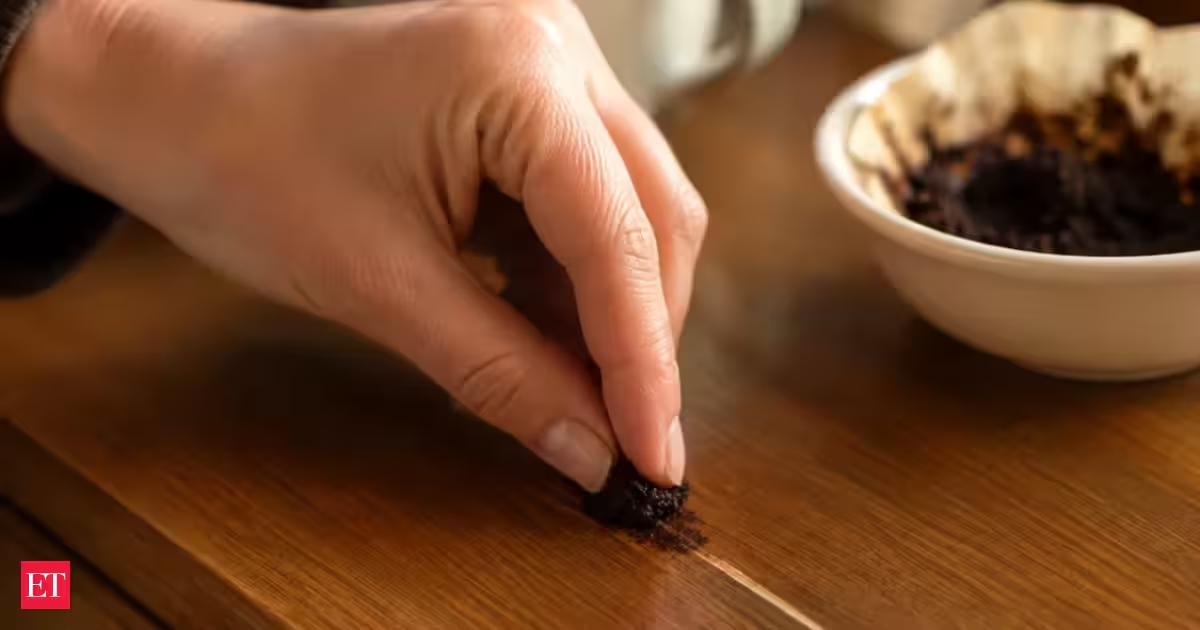
That leftover coffee in your filter is not trash. It might be just the thing your scratched dresser or coffee table needs. A West Virginia University Extension Service educational lesson says a wet paste of used coffee grounds can fix small scratches in wooden furniture. The trick works in two ways at once. It polishes the scratch, and it stains the bare wood underneath, so the mark matches the rest of the piece. The method has a simple practical basis.How coffee grounds help disguise scratchesCoffee is known for two things: keeping us awake and leaving stains on your favorite cup. That staining power comes from tannins and other natural pigments in the grounds, and it's exactly what makes this trick work on wood. A scratch on the wooden furniture causes the upper coating to be damaged, leaving the raw and light-colored wood to appear. It is the first thing that catches your eye. Coffee grounds have natural coloring compounds, and when you rub them on a scratch, some of that color transfers to the exposed wood fibers and fills the gap with the surrounding finish.This isn't some random kitchen hack; a 2023 study by researchers Preetha R. and Nancy Angeline Rani, published in the journal ShodhKosh, tested whether pigments from used tea and coffee could dye cotton fabric. The study titled ‘Dyeing at Home from Kitchen Waste – Tea and Coffee Residue,’ found that cotton mordanted with alum and dyed with the extracted residue held its color well through washing, rubbing, and perspiration testing. The research focused on fabric, not wood, but cotton and raw wood fibers are both cellulose-based, so the same natural pigments that bind to cloth can also stain the exposed, unfinished wood inside a scratch, a different surface from the sealed, coated wood around it.All you need: Used coffee grounds, a little water, and a soft cloth (representative image). Image Credits: ChatGPTThe other half of the job: a gentle buffDarkening the scratch is the first task; the second step is polishing it, which depends on texture. Used coffee grounds are gritty, but not abrasive. This grainy quality is also well documented outside the world of furniture care. A 2023 review in the journal Cosmetics on coffee by-products in skincare points out that the coarse texture of coffee grounds is just the reason why they are popular in exfoliating scrubs, as the small particles gently lift away rough or built-up surface layers. That light granular texture is what makes the grounds useful on wood. They’re not so rough that they’ll gouge the finish further, but will buff the surface enough to soften the edges of a scratch.How to really test it outHere's the straightforward version, based on the WVU Extension lesson. First, save your coffee grounds. Avoid throwing the grounds into the garbage bin after your next pot of coffee. The damp used grounds work best; they should stay slightly gritty rather than watery. If the grounds have dried out, add just a few drops of water to bring them back to a workable paste. Use a soft cloth or your finger to gently rub the paste into the scratch, rubbing with the grain of the wood, not against it. Let it sit for a few minutes to soak into the wood. Then wipe the excess with a dry cloth and see what the scratch looks like. If you want a slightly darker match, repeat the process.A few things worth rememberingFor furniture with a medium to dark wood tone, this works best because the natural color of coffee is a warm brown. On very light or pale woods, the grounds may appear darker than the surrounding surface, so it is wise to try a hidden spot first. It also works to fix minor surface scratches, not deep gouges or chips that require wood filler or a professional's touch. Since it depends on natural staining, results can vary a bit piece to piece.Why this method is usefulIf you want to cut down on waste at home, this is a small but satisfying swap: rather than reaching for a chemical touch-up marker, the fix is already sitting in the kitchen. The next time a coffee table takes a hit during a move or a game night gone rowdy, the leftover grounds in the coffee maker may be all that's needed.
Put used coffee grounds on scratched wood: West Virginia University says the damp paste does 2 jobs, buffing scratches and darkening exposed wood to disguise them
Discover how used coffee grounds can fix scratches on wooden furniture by polishing and staining. This eco-friendly method from West Virginia University is simple, effective, and economical.
721 words~3 min read