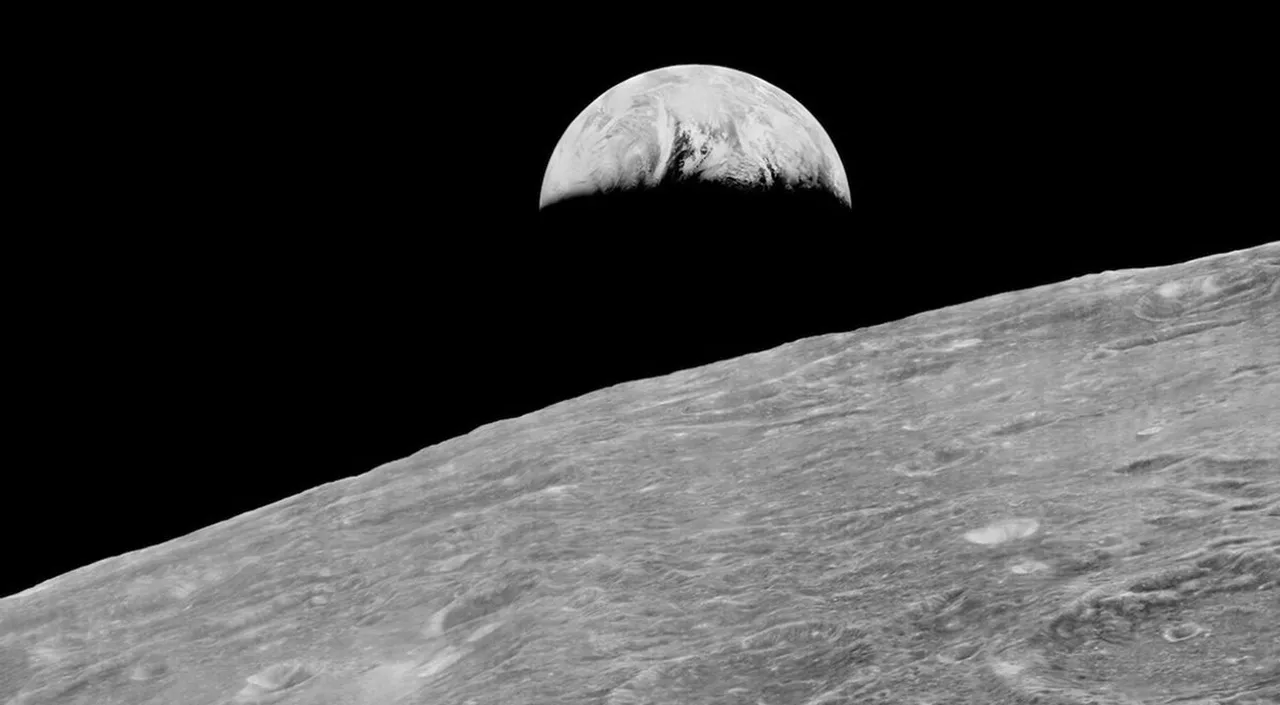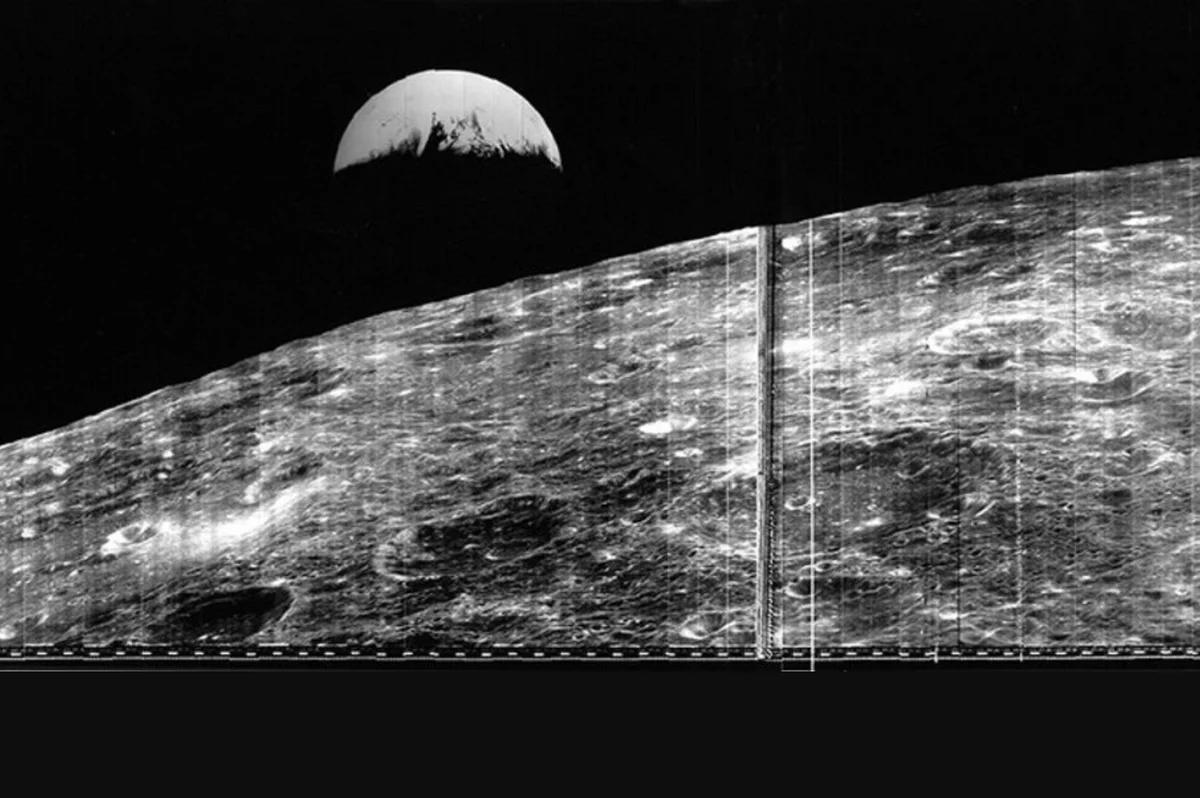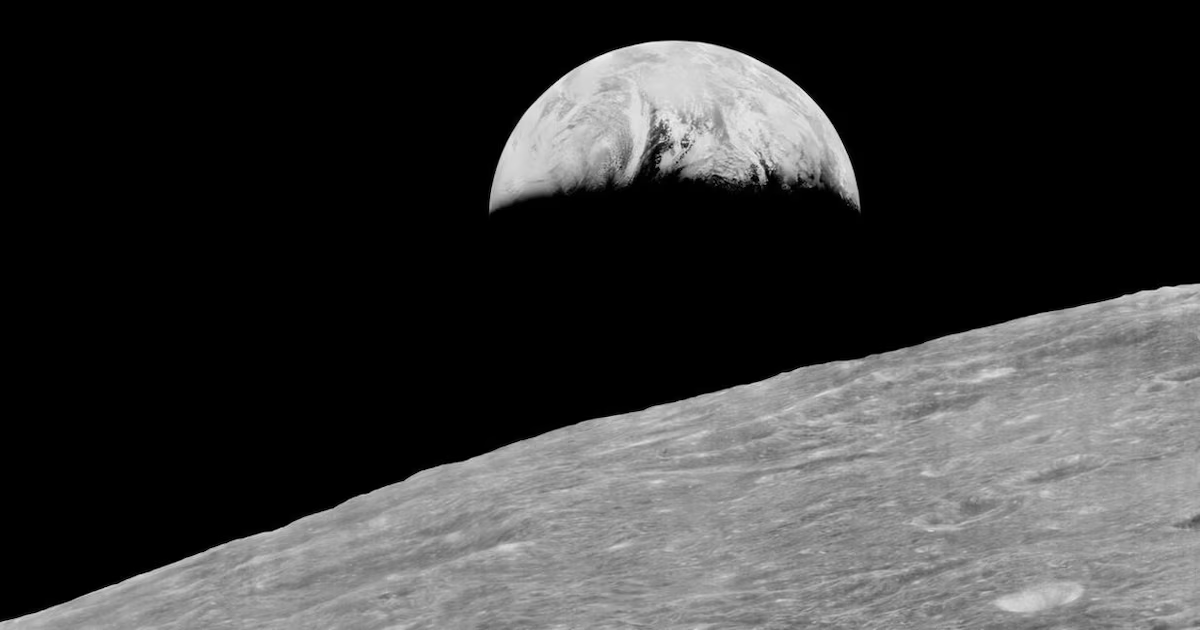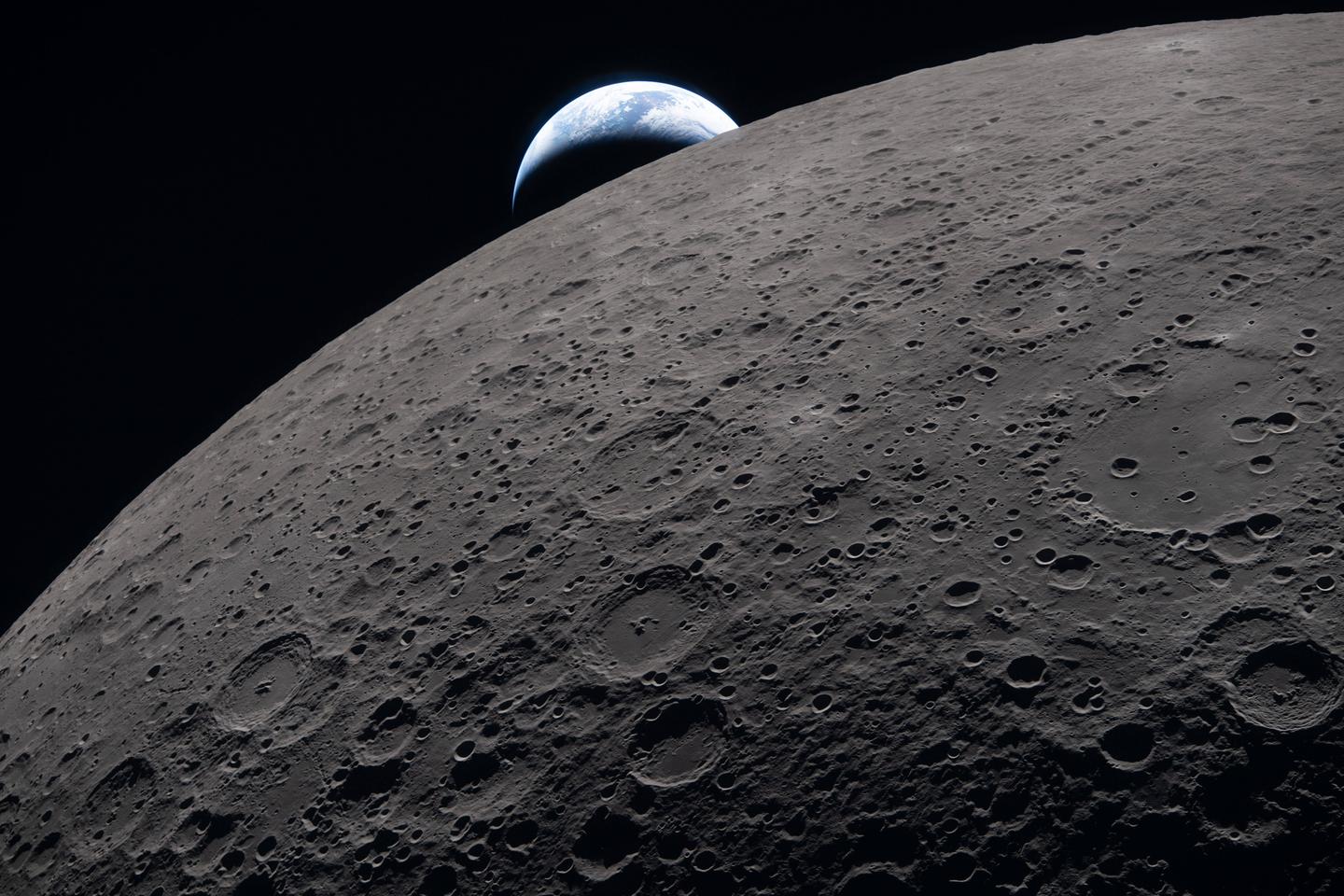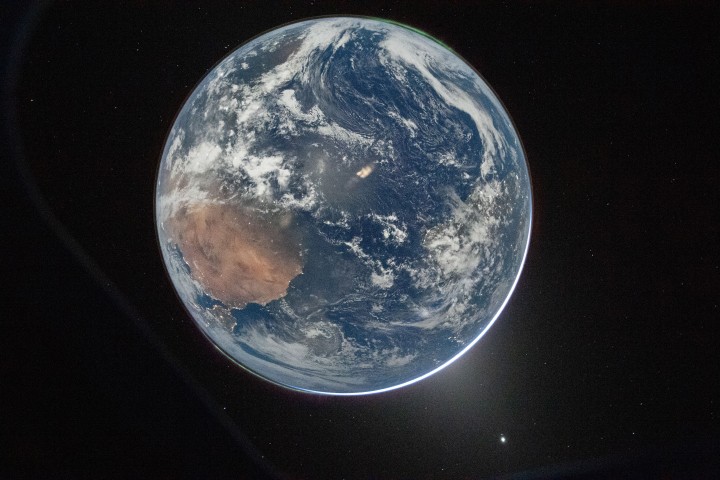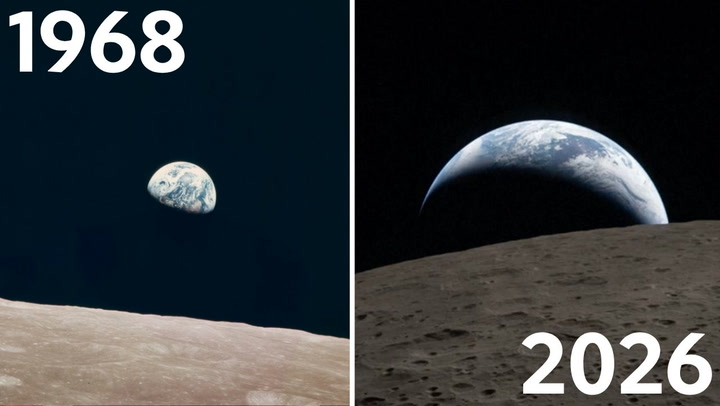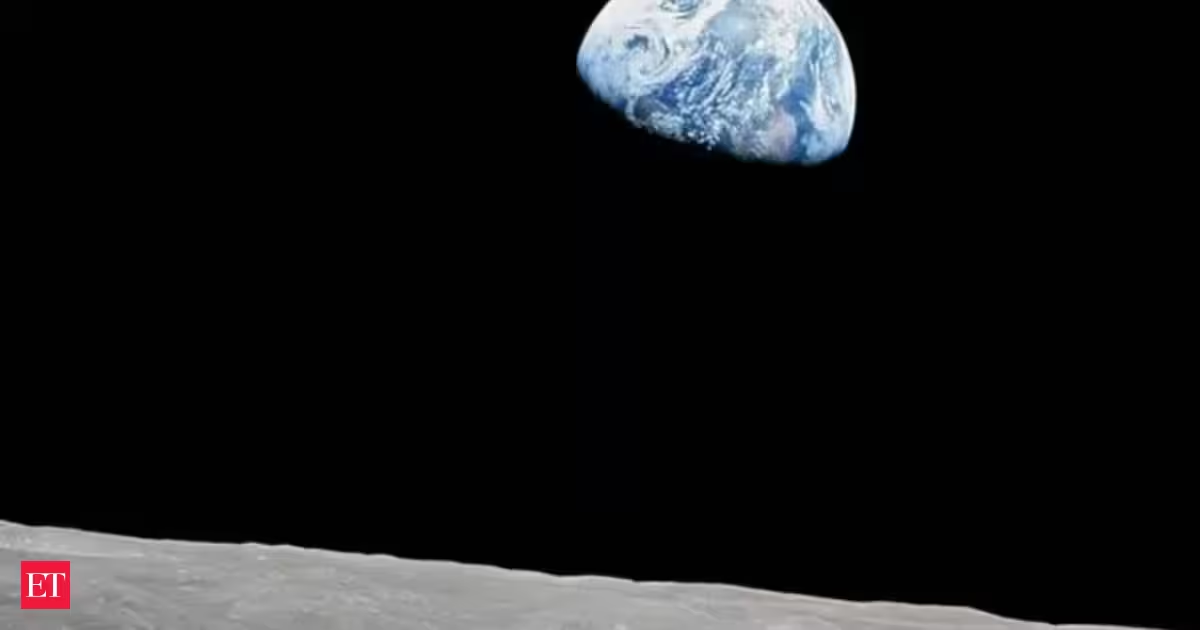
For decades, no one could say where Apollo 8 was orbiting when Earth rose over the Moon on December 24, 1968. Astronaut William Anders captured it on the spacecraft's orbit, almost by accident, and that moment became one of the most reproduced photographs in history. According to NASA's Earth Observatory, the precise second and location remained unknown for 45 years, until the answer was found hiding in plain sight, buried in a second camera nobody on board was paying attention to.Why an unplanned glance changed spaceflight historyApollo 8 wasn't built to take pictures; it was designed to carry astronauts out of Earth's orbit, around the Moon, and safely back home. Astronauts Frank Borman, James Lovell, and William Anders focused on getting there and coming back safely. On their trip around the Moon as they came from the far side, Borman started to turn the spacecraft to get a navigation reading. That turn aligned a window with Earth, and Anders just happened to have a camera in his hand. As NASA describes it, he said Earth was coming up and looked amazing, then took a black-and-white picture. A minute later, he put in color film and took the picture that became famous as Earthrise. One detail is less widely known. Earth had already risen during each of the three trips around the Moon too. None of the windows on the spacecraft were facing the way to see it. The timing of the turn during the fourth trip made a window and a camera line up at the perfect moment.Apollo 8 crew members(L to R): Commander Frank Borman, Lunar Module Pilot William Anders, and Command Module Pilot James Lovell, who flew humanity's first crewed mission to enter lunar orbit in December 1968. Image Credit: NASAThe forgotten timer camera that later cracked the caseWhile Anders was busy filming, a second camera quietly did its own job. That second camera was mounted to face forward. The second camera had been photographing the surface automatically every 20 seconds throughout the mission. No one on board even noticed the second camera was taking photos; those images just sat in the archive as background material next to the famous shots.NASA scientists eventually took that overlooked timer sequence. They matched those images against a high-resolution model of the Moon's terrain. This model was built from data collected by the Lunar Reconnaissance Orbiter, which is a spacecraft that has been mapping the Moon in detail since 2009. Because the camera recorded the lunar landscape frame by frame, researchers could line each image up against the LRO terrain map. This helped them determine precisely when the spacecraft rolled and which direction it was pointed. They even found the point in the orbit when Earthrise came into view. That comparison finally established where and when the photo was taken.Artist rendering of NASA's Lunar Reconnaissance Orbiter (LRO), the satellite whose high-resolution topographical mapping enabled scientists to reconstruct the exact timing of the 1968 Earthrise photo. Image Credit: Wikimedia CommonsWhat matching old film to modern maps actually provedThe result interested anyone who loves space history. By finding out where the spacecraft was and which way it was facing, NASA's group made a video that recreated the Earthrise scene. They used the clouds over Earth from that day, captured by a weather satellite watching the planet at the same time. They also used measurements from the LRO to reconstruct the lunar surface rather than guessing. The recreation was released in 2013 to mark the photo's 45th anniversary. That kind of accuracy shows how much progress has been made in mapping the moon. Information collected years later by a spacecraft launched long after 1968 was detailed enough to reconstruct the moment, including the orbit and window. No one planned the photograph; only the maneuver that happened to line up the window with Earth was on the flight plan. NASA now says it has identified when and where it happened.Why this still matters decades laterApollo 8 flew to study the Moon, and it is remembered as much for what the crew saw when they turned back toward home. The moment still conveys the awe the crew described. The Apollo Flight Journal, NASA's archive of mission transcripts and commentary, preserves the original timeline from that fourth orbit through the exchanges between Borman, Lovell and Anders in the minutes before Earth came into view. Then, nearly six decades on, the fact that scientists could reconstruct the exact orbital moment from a camera nobody was watching says as much about modern lunar mapping as it does about the photograph itself. The picture has not changed, but NASA can now identify the window and the second with precision. This is where humanity first looked back at itself from another world.
In 1968, Apollo 8 photographed the famous Earthrise during its fourth lunar orbit; decades later, NASA used time-lapse images and LRO maps to reconstruct when and where it happened
Explore how NASA used modern lunar mapping technology to pinpoint the location of the iconic 'Earthrise' photo taken by Apollo 8 astronauts in 1968, revealing fascinating insights into space exploration history.
790 words~4 min read