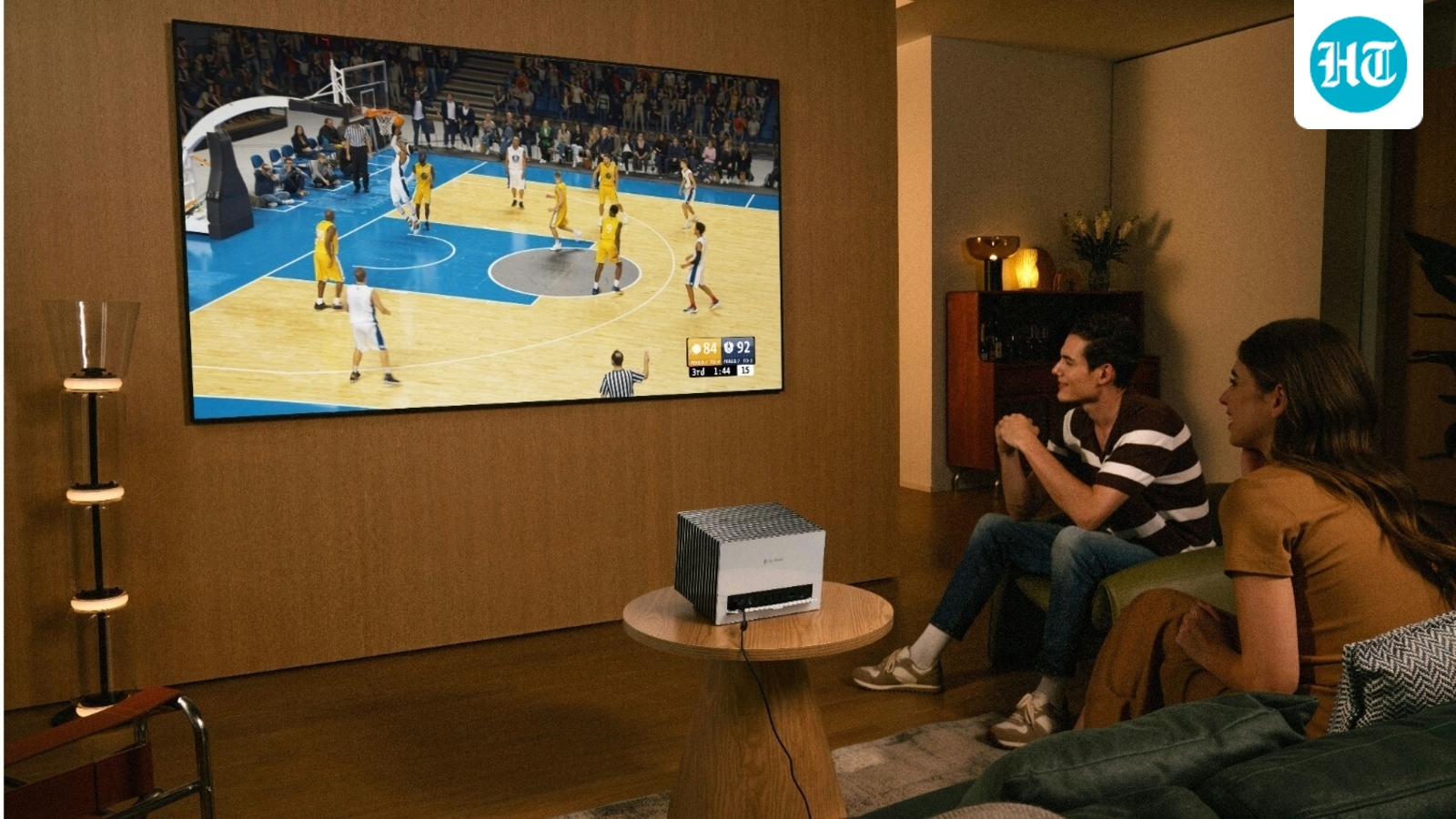
Projectors can make home entertainment more flexible, but choosing one can be less straightforward than it first appears. Models that look similar can be designed for very different rooms and viewing setups, while specifications can be presented in ways that are not always easy to compare. That can make it difficult to know which details to focus on before making a purchase. The same applies when setting up the projector, as seemingly small differences can affect how easily it fits into your space. With more options available across different price ranges, it is easy to focus on the wrong details when comparing models. This guide looks at five common areas where buyers can make mistakes when choosing a projector, helping you approach the purchase with a clearer understanding of what to check.
1. Comparing brightness figures without checking how they are measured
Brightness is one of the most important projector specifications, yet it is also one of the easiest to misunderstand. Manufacturers can quote brightness in ANSI lumens, ISO lumens, LED lumens, or simply lumens, and these figures are not directly interchangeable.
ANSI lumens use a standardised measurement method, making them particularly useful when comparing projectors that use the same standard. LED lumens are measured differently, so a projector with a high LED-lumen figure cannot automatically be considered brighter than one with a lower ANSI-lumen rating.