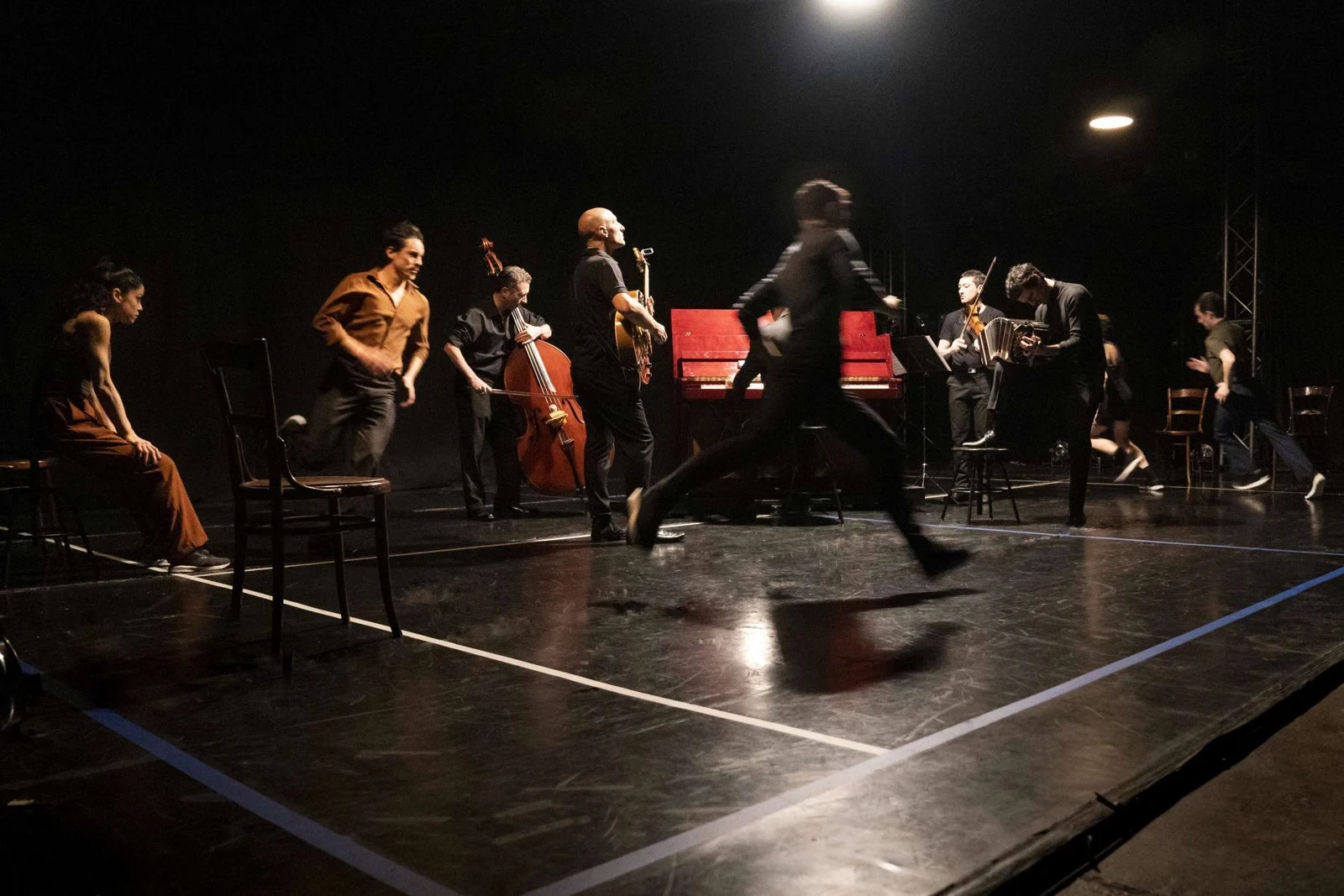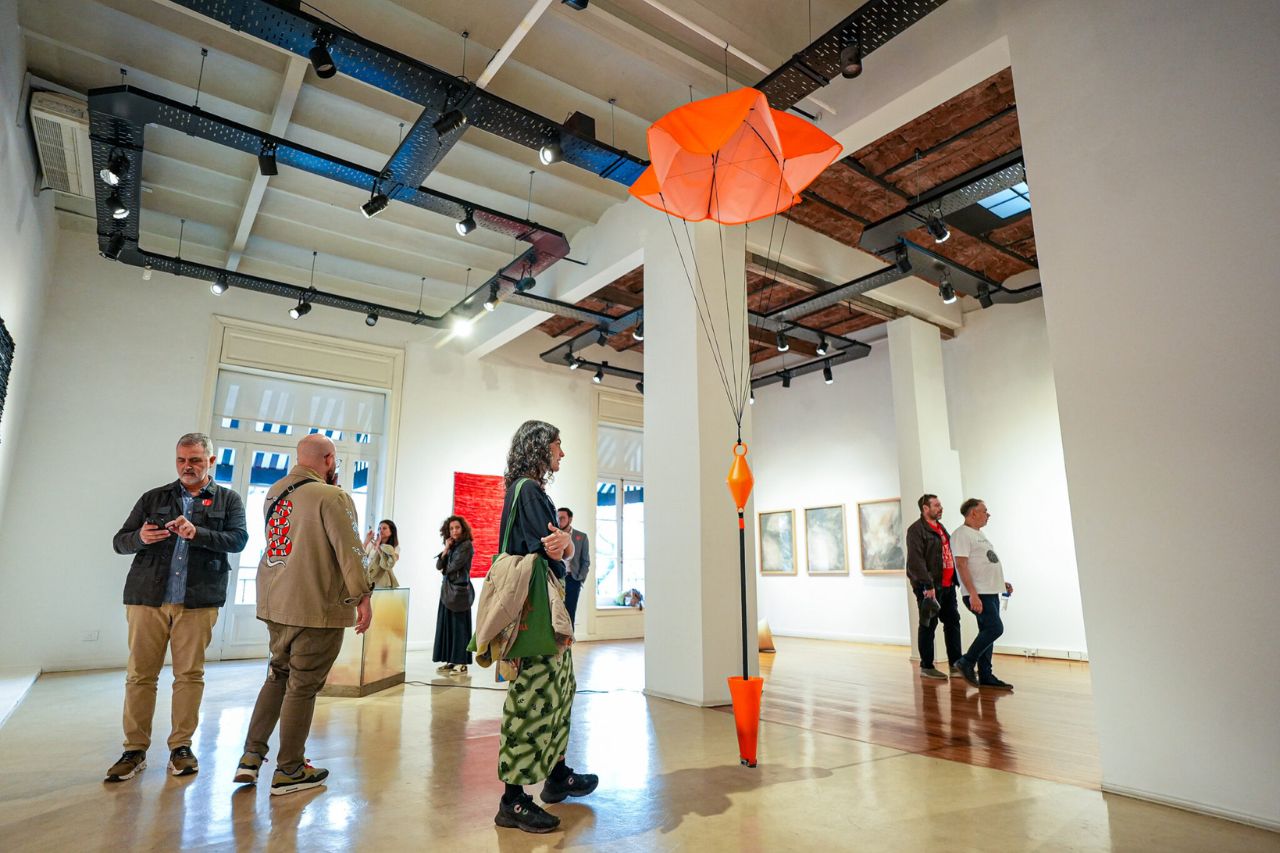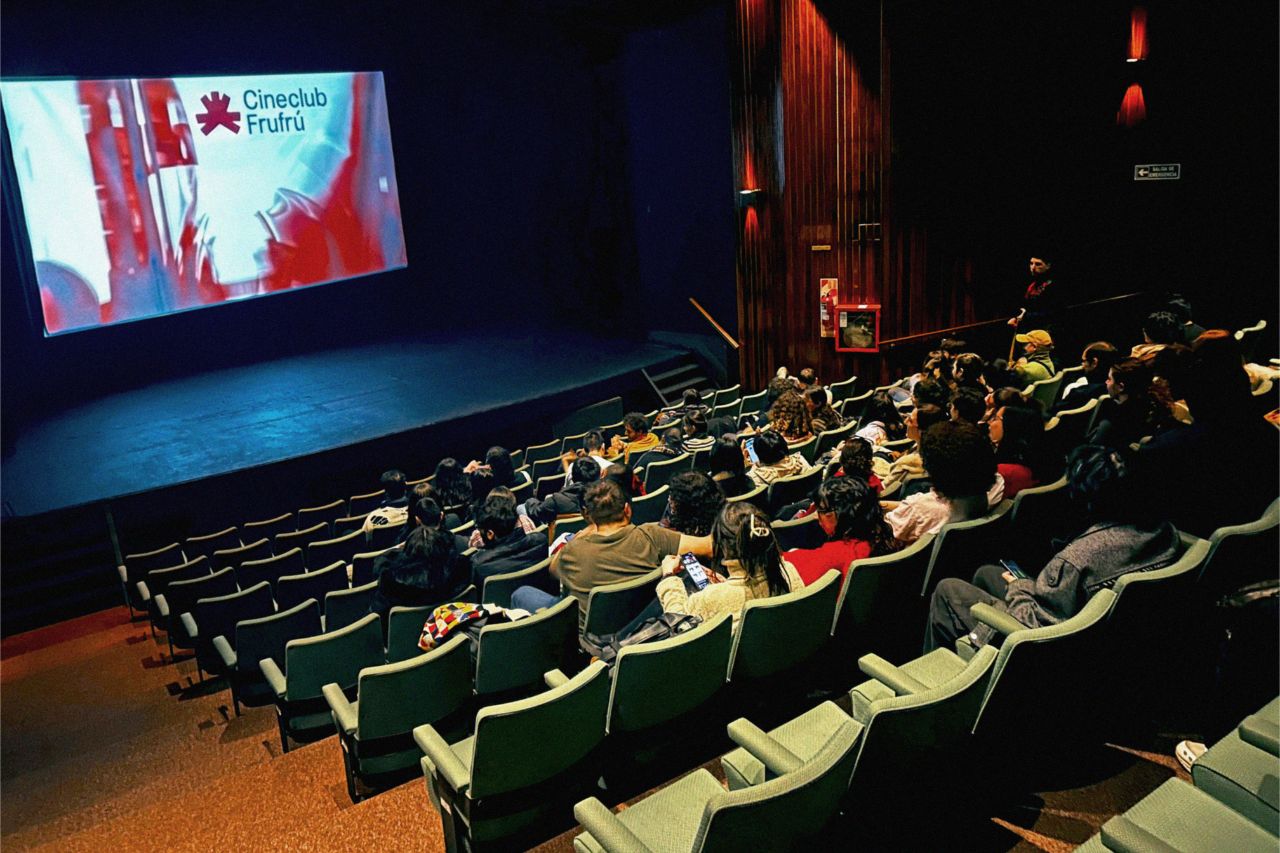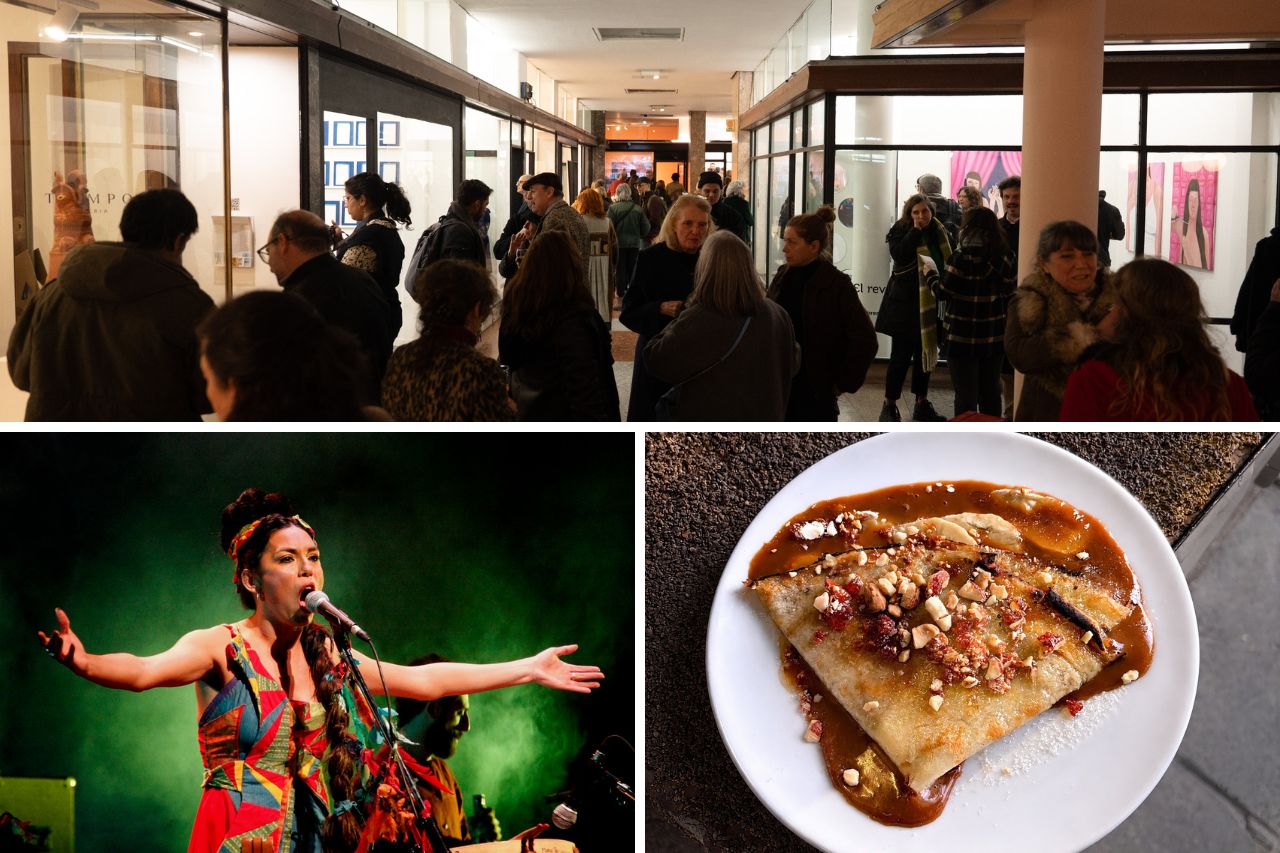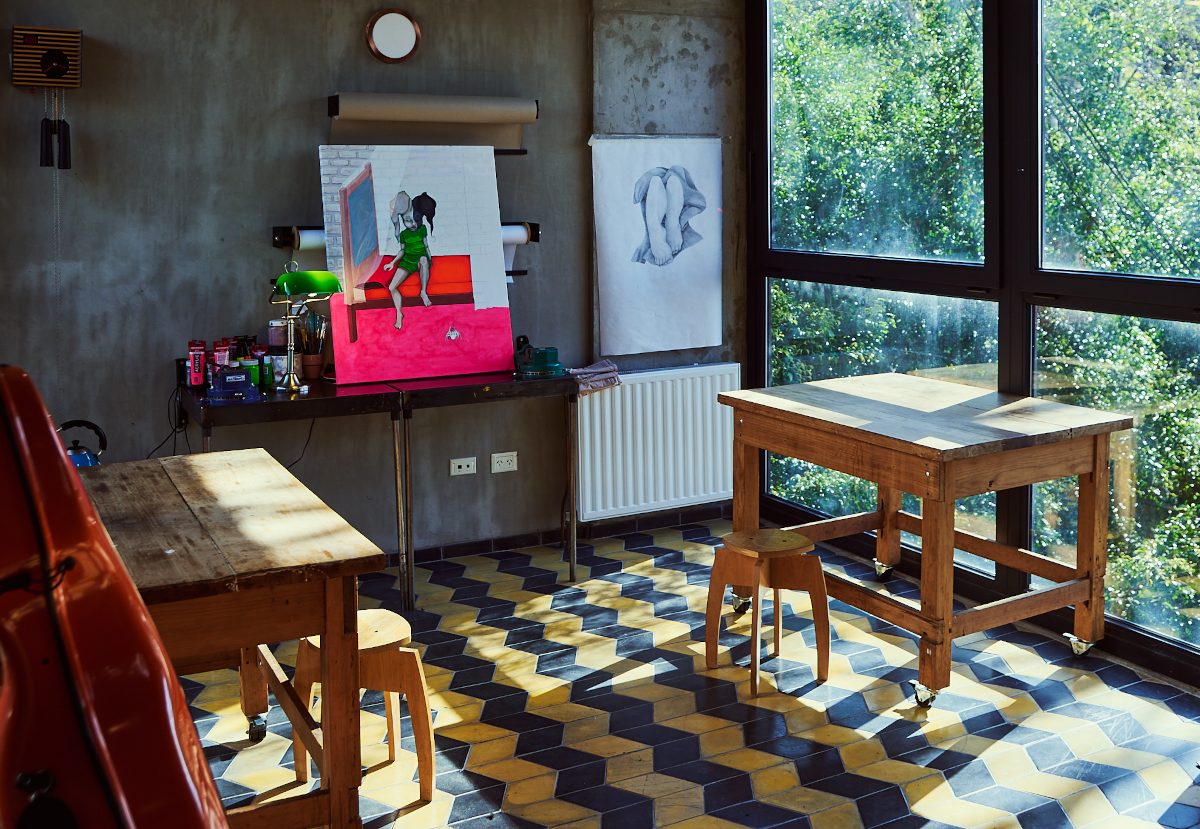
Buenos Aires’ rich cultural scene extends beyond its major theaters, venues, and traditional downtown circuits. In recent years, neighborhood cultural centers have expanded their presence and offerings: live music, theater, workshops, exhibitions, films, dance, and community activities now coexist in intimate venues. For many artists, they are now the best way to reach audiences.
The phenomenon sprouted across Buenos Aires and includes Cultural Morán in Agronomía, Cuerda Mecánica and Domus Artis in Villa Urquiza, Casa del Arbol and Nueva Uriarte in Palermo, Páramo in Boedo, and La Minga in Parque Chacabuco.
The trend takes on particular significance amid the difficulties facing the cultural sector and the government holding back its support to the arts. Small venues thus offer an alternative for projects that lack the resources or audience needed to access larger stages.
In this context, the growth of neighborhood cultural centers is more than an expansion of entertainment options. It is also a response from the cultural community itself to the difficulties of gaining access to traditional circuits.
For a band looking for its first gigs, a theater company preparing to premiere a production, or a group of artists trying to build an audience, a cultural center can play a decisive role. It is not simply a matter of securing a performance date. These spaces allow artists to gauge their relationship with audiences, experiment with different formats, establish contacts, and begin building a career.