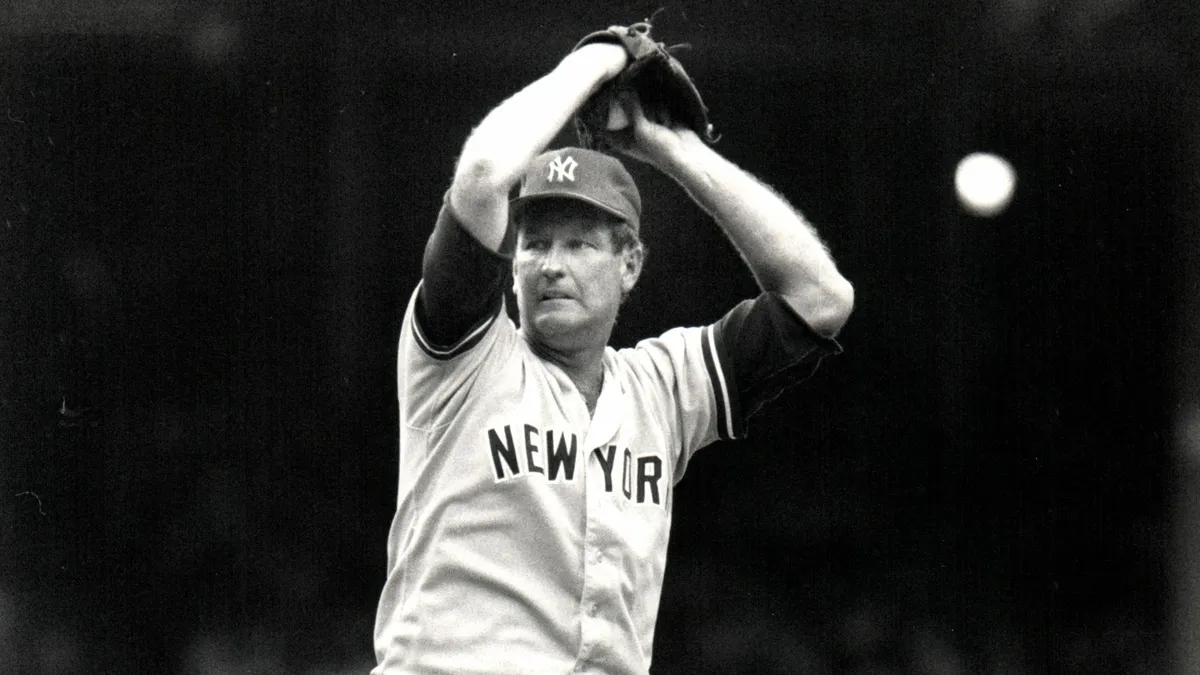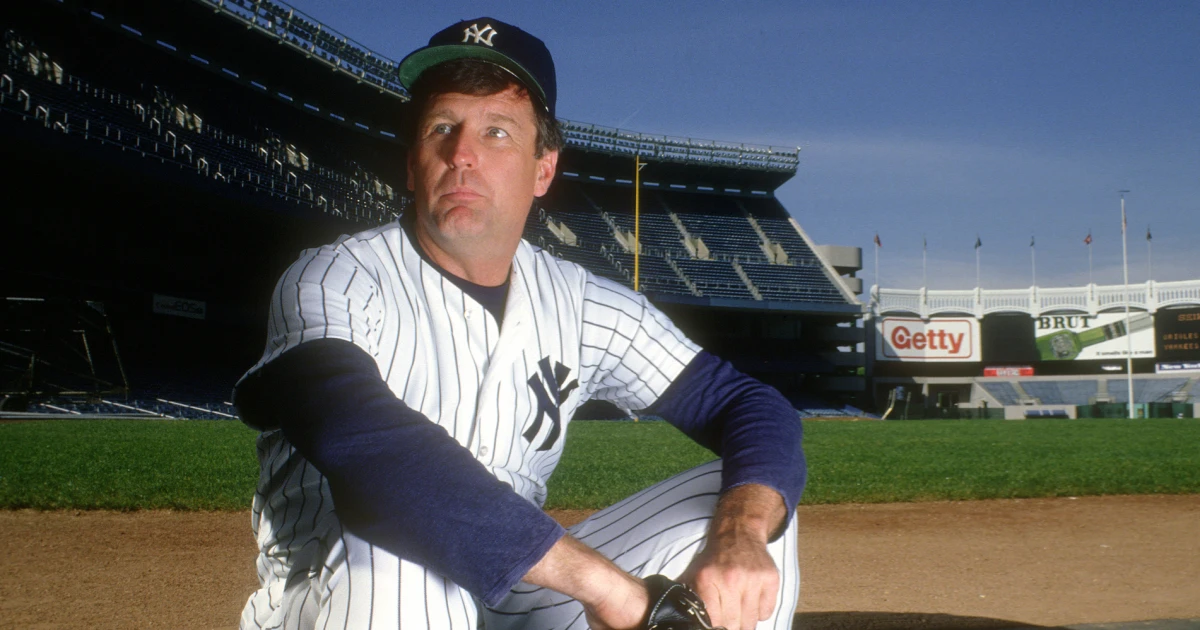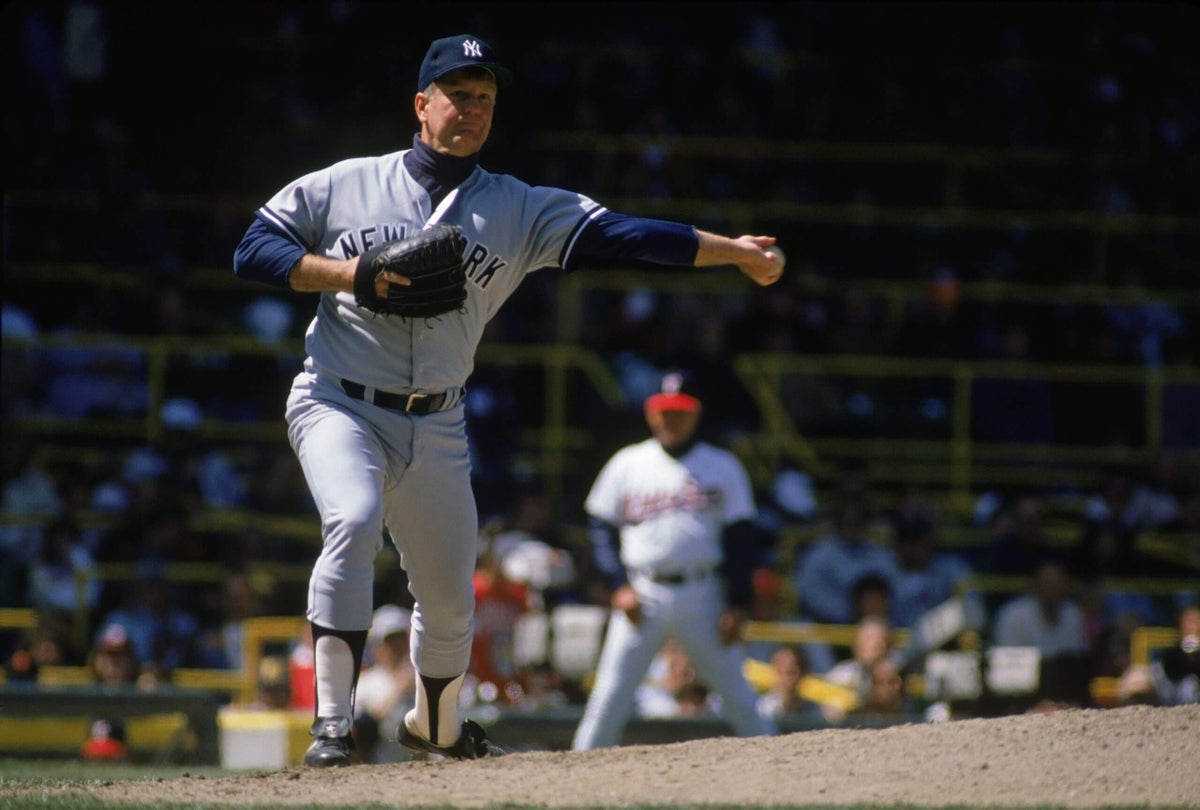
WASHINGTON, DC - AUGUST 28: A view of the New York Yankees logo on a baseball hat during the game against the Washington Nationals at Nationals Park on August 28, 2024 in Washington, DC. (Photo by G Fiume/Getty Images)Getty ImagesTommy John’s death has prompted an outpouring of appreciation across baseball, particularly from the New York Yankees, where the legendary left-hander spent the final chapter of his remarkable career.John died after a 26-season major league career that included four All-Star selections and nearly 300 victories. Yet his greatest legacy extends beyond his accomplishments on the mound. The surgical procedure that bears his name has transformed baseball, allowing countless pitchers to return from injuries that once would have forced them to end their careers.Yankees ace Gerrit Cole was one of the contemporary members of the organization who reflected on that impact following John's death.“What a blessing it is that we get to see these great players continue on such a great path, and it’s because of Tommy John and Dr. Jobe,” Cole said, according to the New York Post’s Greg Joyce.Yankees manager Aaron Boone also expressed the belief that John deserves Hall of Fame recognition — not simply because the procedure bears his name, but because of what he accomplished during his extraordinary career.ForbesCubs Cut Veteran Dansby Swanson Replacement After Just 1 InningBy Peter ChawagaMORE FOR YOUNew York Yankees Legend Tommy John Sent 3-Word Message In Legendary GambleJohn's path to baseball history began long before his famous surgery, as detailed in the local obituary released last week. He was an accomplished athlete at Gerstmeyer High School in Terre Haute, Indiana, where he starred in both baseball and basketball.On the mound, John compiled a remarkable 28-2 record. He also excelled academically, graduating as his school's valedictorian in 1961. According to his obituary, however, faculty members prevented him from giving the traditional valedictory speech because of his stutter.But those experiences might have helped shape the bold and persistent character that later allowed him to take part in the pioneering surgery.In 1974, while pitching for the Los Angeles Dodgers, John tore the ulnar collateral ligament in his elbow during a game against the Montreal Expos. At the time, reconstructing the ligament was an experimental procedure, and Dr. Frank Jobe estimated that John had only a 1% chance of successfully returning to the majors.John's response became baseball history.“Dr. Jobe and Tommy knew there was only a one per cent chance of it being a success and Tommy looked at Dr. Jobe and said ‘Let’s Do It’!” according John’s obituary.ForbesDodgers’ Former All-Star, World Series Champion Has NSFW Reaction For Ketel Marte Casino TripBy Peter ChawagaNew York Yankees Legend Leaves Lasting LegacyJohn returned to pitch another 14 seasons after the groundbreaking operation, ultimately finishing his career with 288 victories across stops with the Cleveland Indians, Chicago White Sox, Dodgers, California Angels, Oakland Athletics and Yankees. His post-surgery success included two All-Star stints in the Bronx.He spent eight seasons with New York and became an Opening Day starter for the Yankees in 1981, 1982 and again in 1989.John’s career longevity was extraordinary, but his lasting influence is even greater. What began as a desperate attempt to save one veteran pitcher's career ultimately became one of the most important medical breakthroughs in sports, thanks ultimately to John’s willingness to accept the risk.
Obituary For Yankees’ Legendary All-Star Reveals Bold 3-Word Message To Surgeon
Remarkable details about the New York Yankees’ late legend have emerged in a local obituary detailing his extraordinary life.
552 words~3 min read