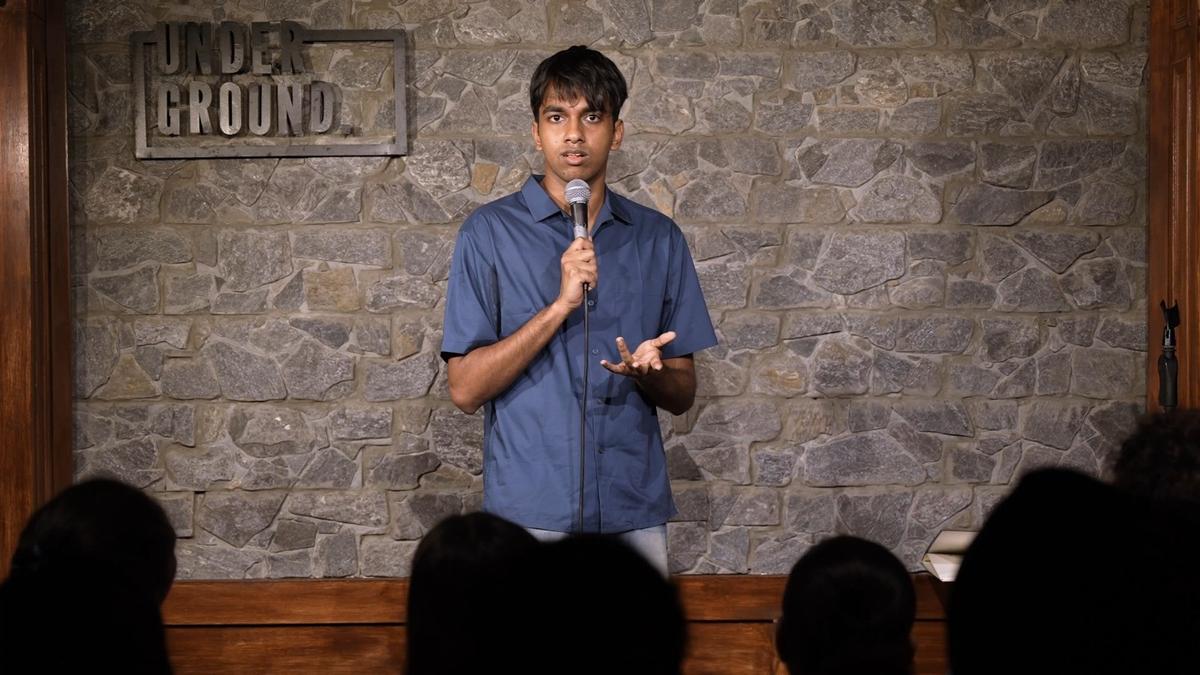
Comedian Tarang Hardikar’s show, If I’m not Wrong, began as a compilation of intriguing observations about lines. The special was even called Line is not a Line during its initial run. However, as the show and Tarang evolved, the comedian began drawing parallels between his life and the material, reflecting on his past after his autism diagnosis.“The theme about the lines fit perfectly into my childhood story, which is the special in its current form,” says Tarang, who is currently performing at the ongoing month-long Edinburgh Festival Fringe, one of the largest performing arts festivals in the world.“In a way, it is like doing spots at open mics regularly, where you tend to perform the same material repeatedly with slight changes. However, when you are performing a one-hour show, you are not only thinking about the jokes, but also the overall narrative.”The Pune-born comedian also points out that a long festival run allows him to form a routine. “You perform the show, think about it, and fall asleep. And the next day, you wake up, get into the mindset for the next show and try to watch something that can inspire you before your next performance. The objective is to improve your show by the end of the month. In that process, you can have great days and not-so-great ones.” Asked about his neurodivergence, Tarang believes humour has been therapeutic for him. Although he was diagnosed as a teenager, he only understood more about autism as an adult, few years into comedy. “I knowingly or unknowingly used comedy as a way to cope, because it was the only time I could truly be myself. I could connect with people in a way I didn’t before,” says the 29-year-old comedian.“I am a very shy person off stage. I didn’t talk to many people in college. But when I got on stage for the first time, that inhibition disappeared, and I could be whoever I wanted to be,” he says. “I also didn’t realise that people might relate to the topics I speak about. I have a joke about shaking hands, and when I performed it, the audience could find it relatable. This was cathartic and made me realise that everyone has their set of problems.”
Comedian Tarang Hardikar on his special ‘If I’m Not Wrong’ and performing at the Edinburgh Festival Fringe
Discover comedian Tarang Hardikar's journey and insights on his special 'If I’m Not Wrong' at the Edinburgh Festival Fringe.
805 words~4 min read