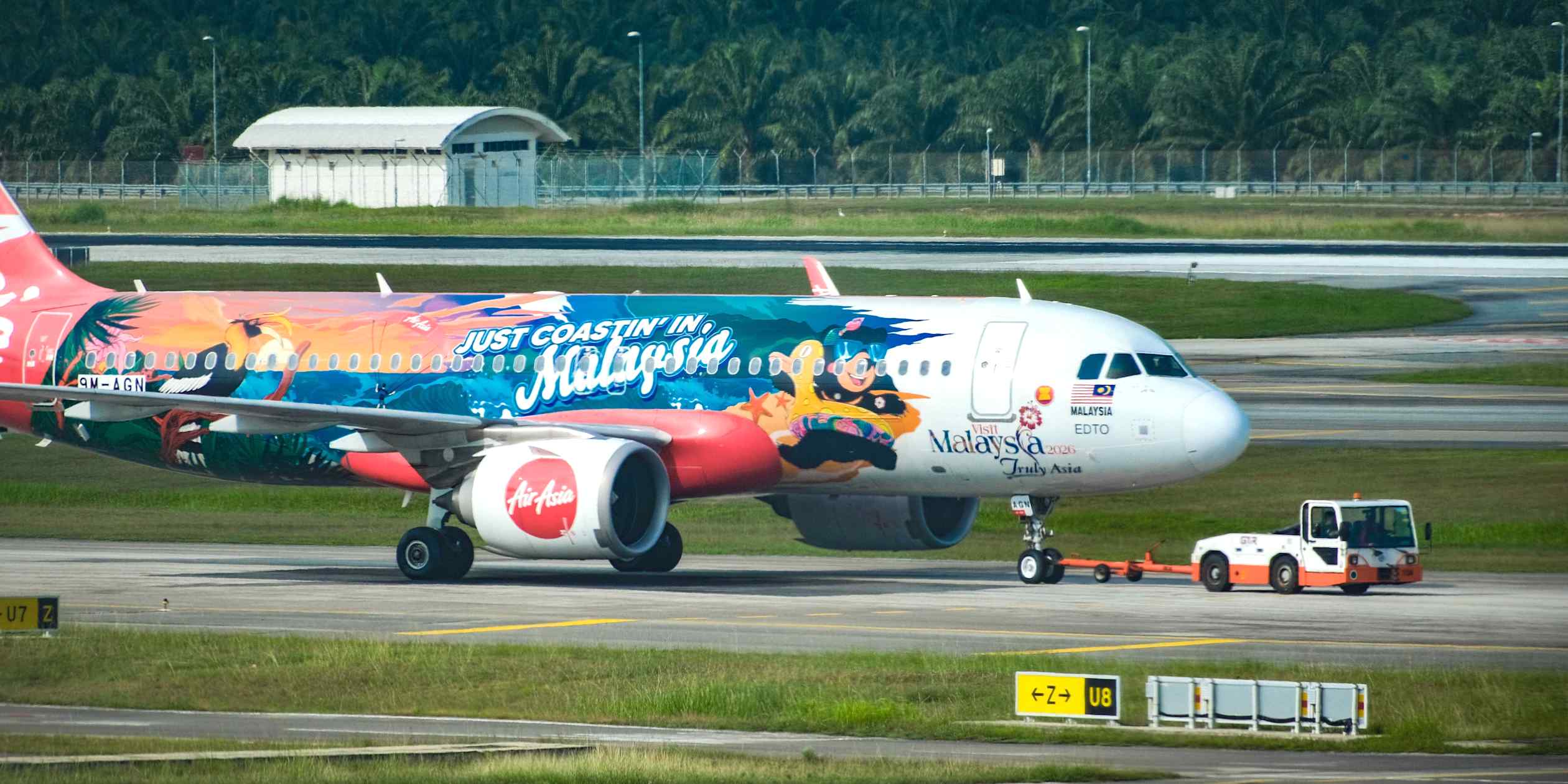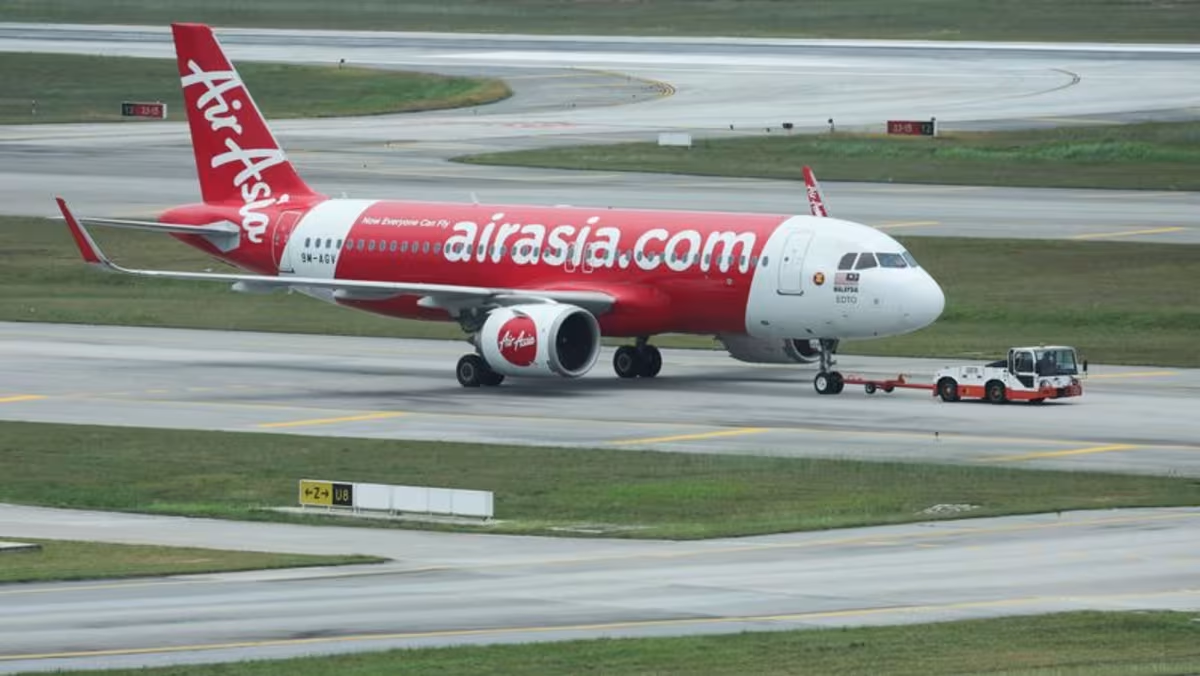
AirAsia plans to cut third-quarter seat capacity 20% to 25% year on year, as Scoot says fare adjustments were not enough to offset higher fuel prices
Southeast Asia’s budget airlines expect the worst of the Middle East fuel shock to be over but face a tough second half as weak margins and household finances weigh on demand. (File photo: Somchai Poomlard)
HONG KONG - Southeast Asia's budget carriers are hoping the worst of the Middle East-driven fuel shock is behind them but face a difficult second half as margins remain under pressure and strained household budgets threaten demand, airline executives and analysts said.The latest quarterly results from Malaysia's AirAsia , Singapore Airlines' budget arm Scoot and the Philippines' Cebu Pacific showed that efforts to recoup soaring fuel costs through higher fares fell short. AirAsia and Cebu Pacific reported net losses, while Scoot's operating loss nearly doubled.
The results exposed a squeeze at the heart of the low-cost model: fuel makes up a larger share of expenses than at full-service airlines, but price-sensitive passengers leave carriers less scope to lift fares without weakening demand.
Currency declines added to the pressure as the Malaysian ringgit, Thai baht, Indonesian rupiah and Philippine peso weakened against the United States dollar, increasing fuel and aircraft leasing costs typically priced in the US currency.