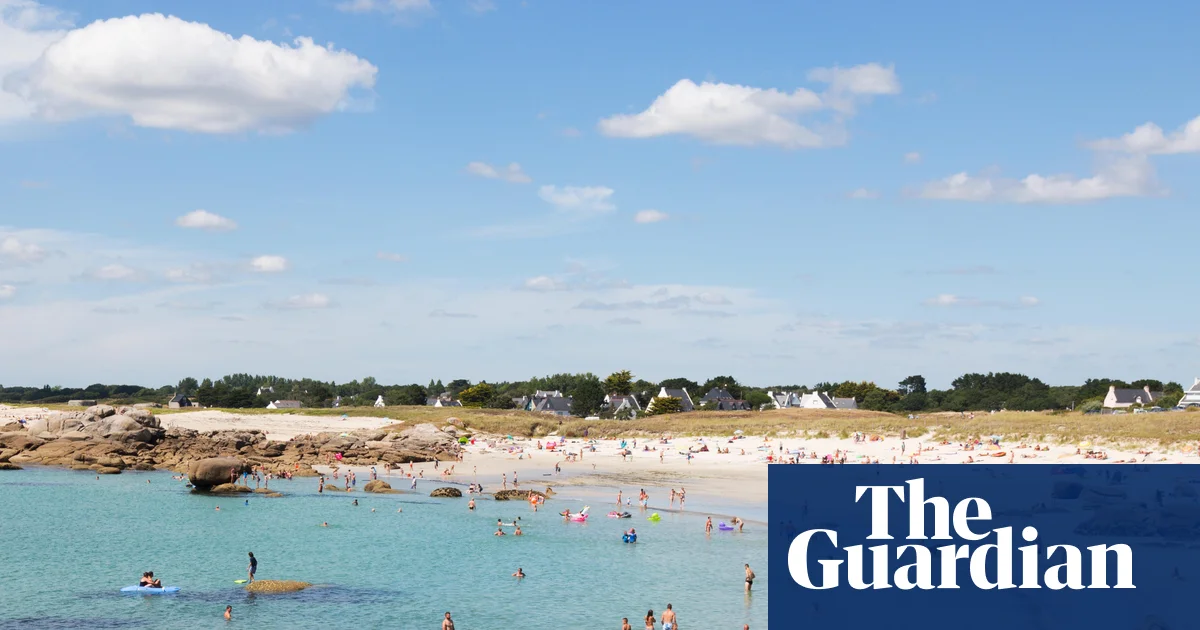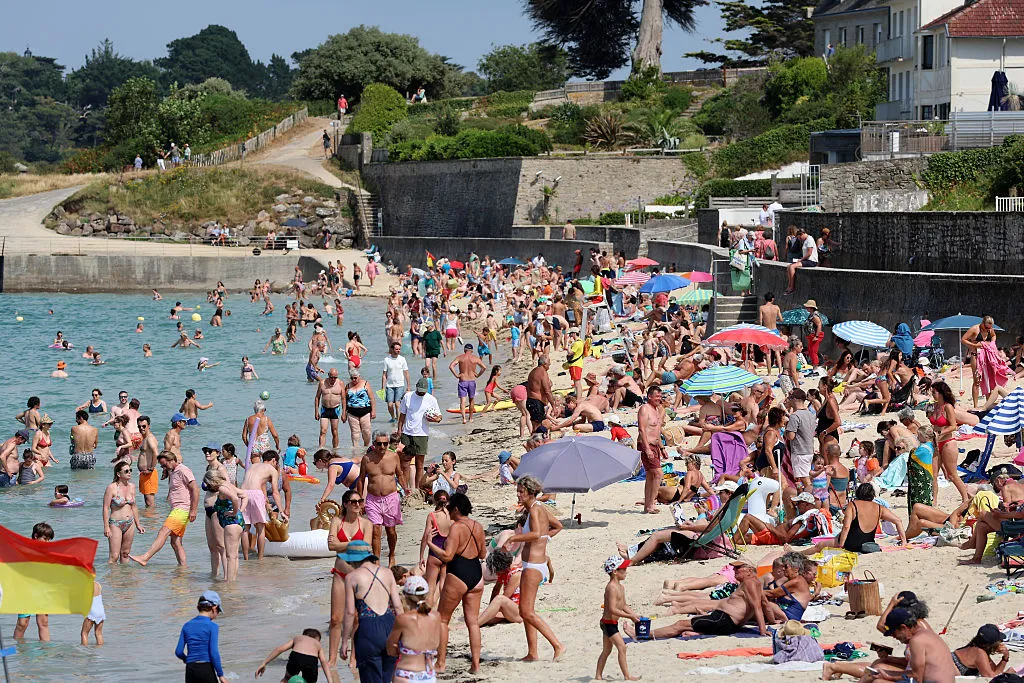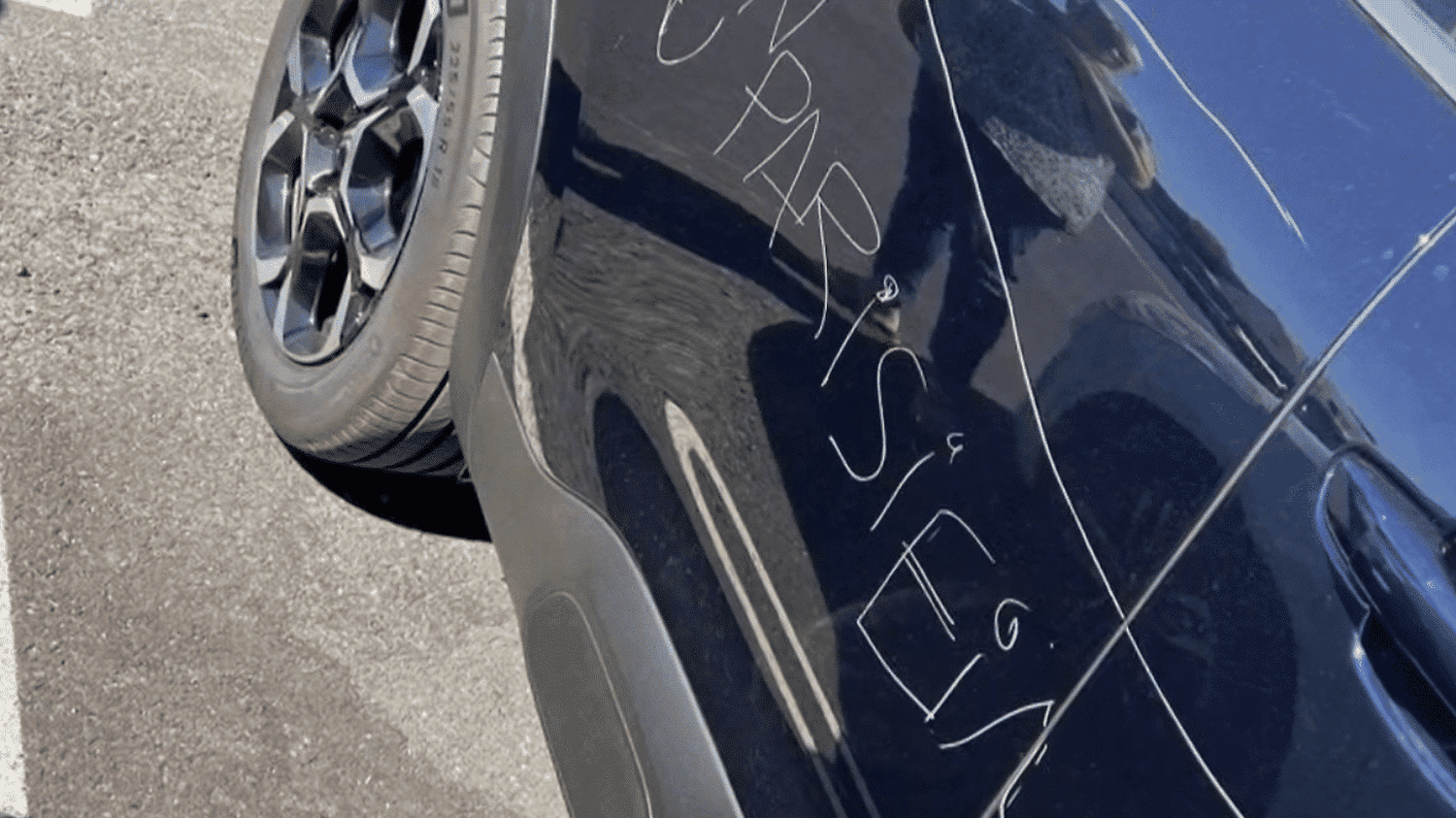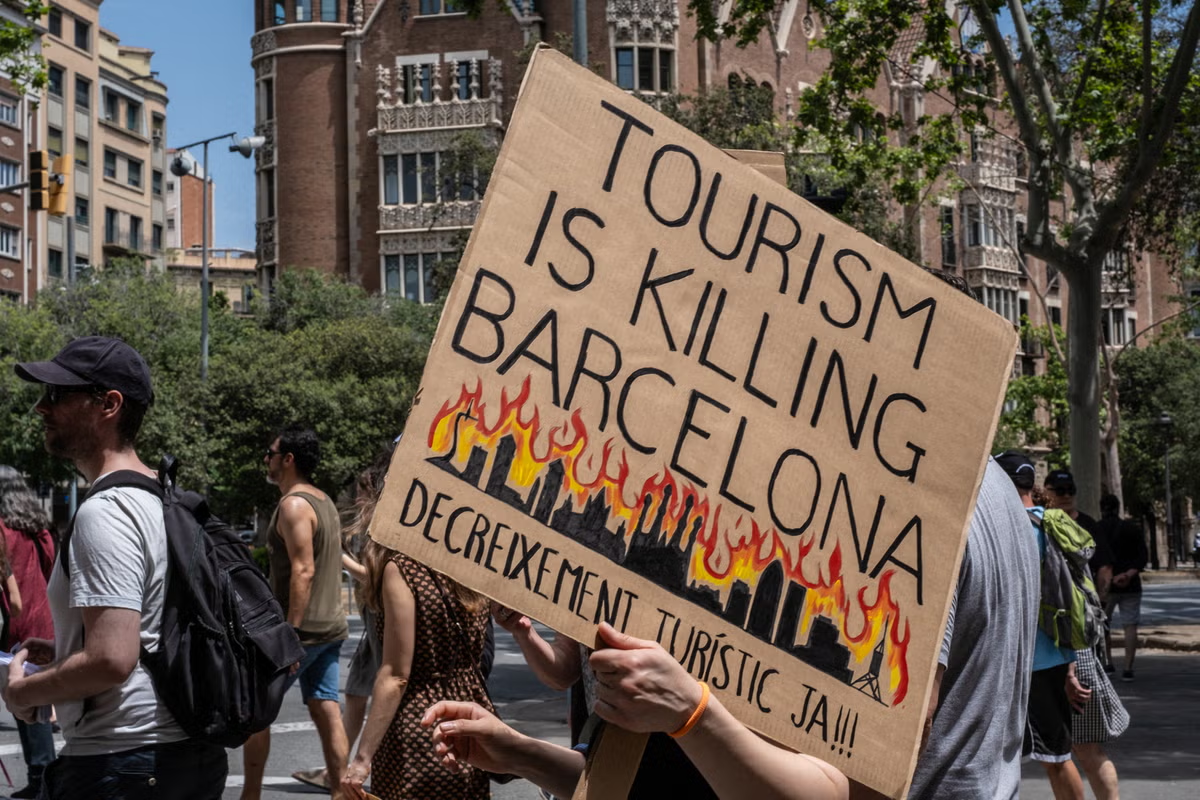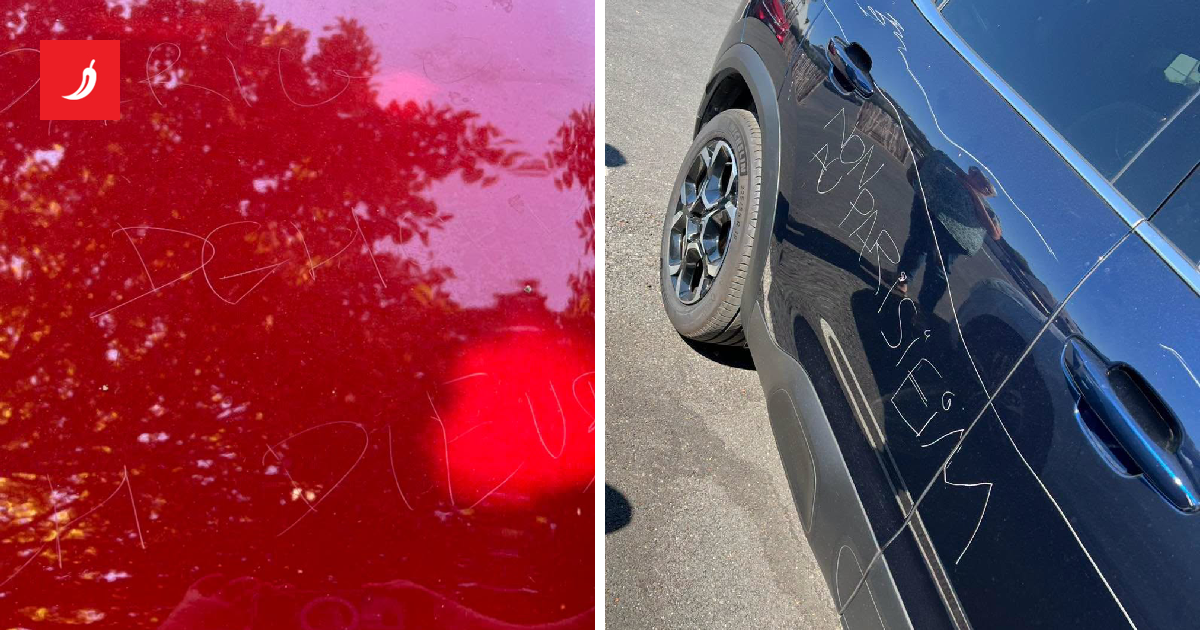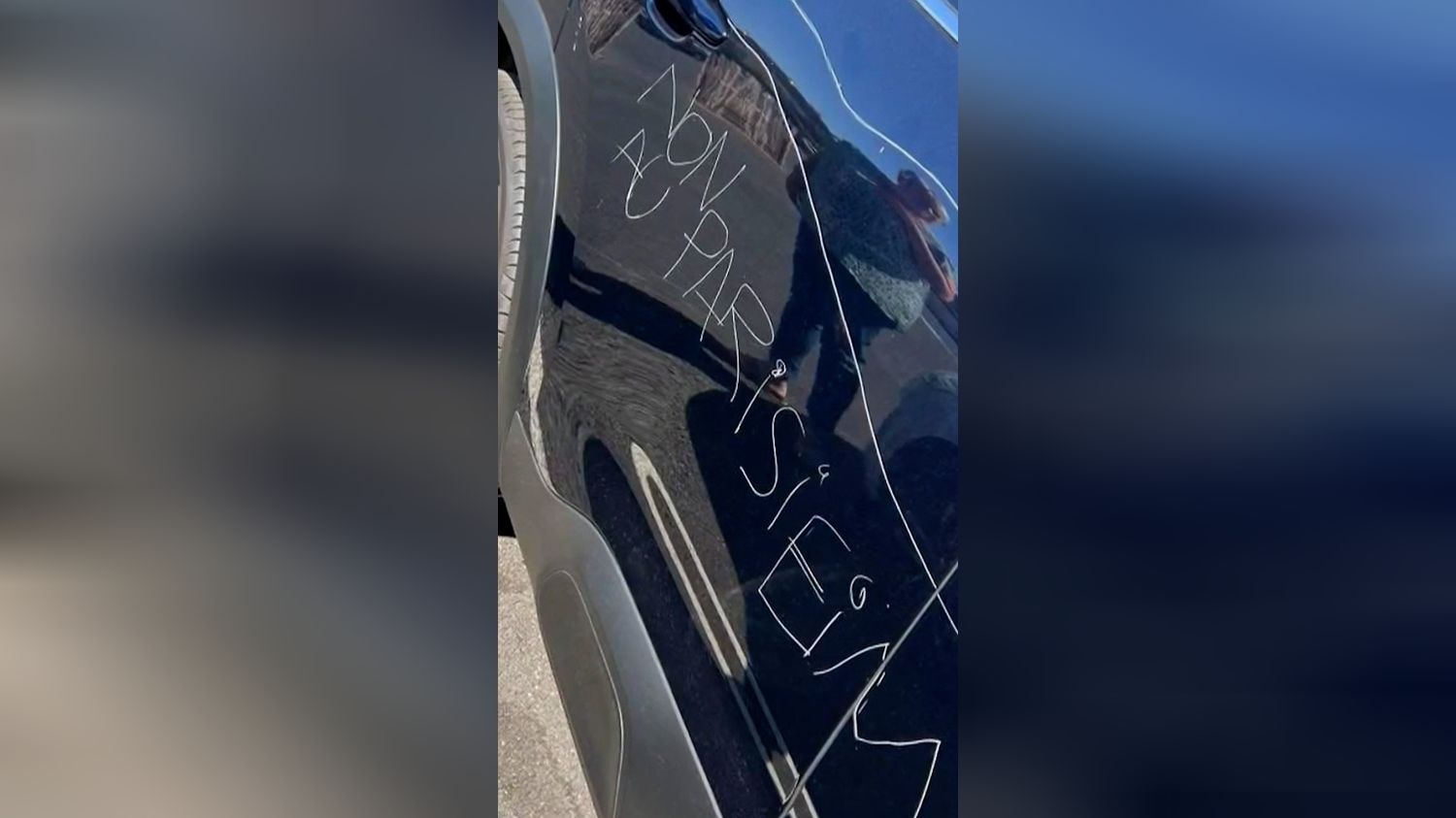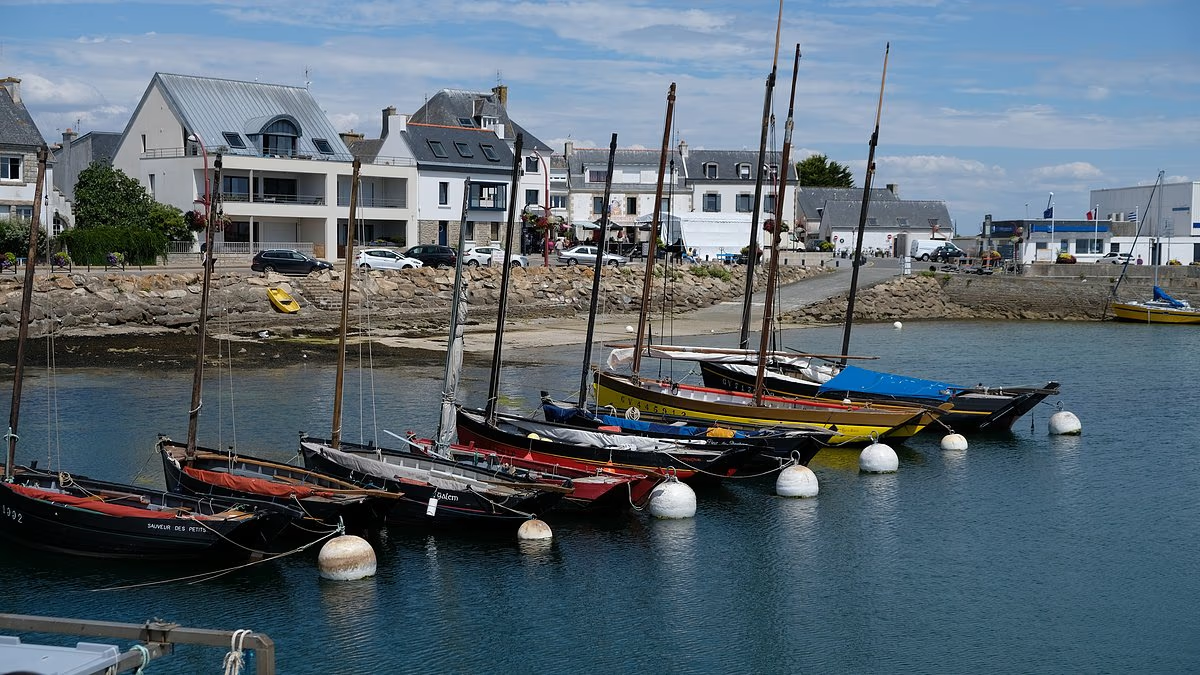
Locals in Brittany have told visitors to 'go home', joining the throng of Europeans across the continent fighting back against over-tourism.Families in the Finistère port of Plobannalec-Lesconil in France found their car doors had been scratched with aggressive slogans reading: 'No to Parisians' and 'Tourists go home'.Anti-city dweller sentiment has erupted across France, after local residents have been priced out of housing following a boom of second home purchases since the Covid-19 pandemic.Loïc Le Fur, the mayor of Plobannalec-Lesconil, said: 'The spirit of these acts deeply shocks us.'However, some local residents are in support, with one explaining they 'completely understand' the anger.The owners of all three Paris area cars vandalised in the port were not, in fact, Parisians – rather, they were locals who had relocated to the French capital, The Times reported. One car was marked with the words: 'No to Parisians' in BrittanyAlthough second homes are purchased by French citizens from across the country, as well as international buyers, the acts of vandalism speak to the wider anti-Parisian keenly felt by many.This August, a masked armed group of Corsican separatists threatened tourists thinking of moving to the island or buying second homes.The Corsican National Liberation Front-Union of Combatants (FLNC-UC) released a video in which around 12 armed, hooded members stand with sub-machine guns and rifles.In the footage, a man believed to be the group's leader says in a muffled voice: 'Until our national rights are recognised and respected, we have only one message for them: stay at home.'The FLNC-UC condemned the 'insane' flow of 5,000 foreigners who move to the island for work or to buy a second home each year, and said 'the vast majority of whom are French.'They deemed it as 'rampant settlement-driven colonisation', comparing it to 'a weapon of mass dilution that colonialism has always used against the peoples it seeks to subjugate, or even wipe out'.There are conflicting reports on the number of Britons who live full or part-time there, with estimates ranging from a few hundred to 4,000. In the Finistère port of Plobannalec-Lesconil, tourists have been issued a stark warningEarlier this week, locals in a picturesque French mountain village hit out at rowdy Airbnb guests, claiming late-night parties and noise are taking a toll on residents' 'mental health'. Residents said the gatherings have brought late-night music, shouting and excessive noise, with some claiming they are regularly kept awake into the early hours. Elsewhere in Europe, anti-tourism protests have erupted this summer.Thousands of protesters took to the streets of Majorca this month against overcrowded tourism.Around 2,000 campaigners flooded the streets of the small Majorcan town of Soller, in northwestern Spain, on Saturday, August 8.The picture-postcard town in the heart of Majorca's Serra de Tramontana mountains was the spot for the display of discontent by locals who say their daily lives are being affected by the effects of mass tourism.Residents have complained of rising housing costs from holiday rentals or foreign nationals' second homes as well as congestion in once-quiet towns and villages. Responding to a rise in the number of second homes in the beautiful village, locals have become increasingly angryOne of the demonstrators held up a poster which said in English: 'No more second homes while locals can't afford one.'Plus, Europe's top landmarks have been swamped by tourists, with crowds blighting several iconic monuments in the rush for summer getaways.With 100 million tourists expected to head to Spain this summer alone, Europe has already seen a 5 per cent rise in international tourist arrivals to the continent in 2026, compared to this time last year, according to the European Travel Commission (ETC).Travel experts have told the Daily Mail that the tourism industry is 'hitting max capacity earlier and earlier' and that certain countries are not necessarily 'coping rather well', with viral videos on social media reinforcing these observations.
Brittany locals urge holidaymakers to keep out amid over-tourism rows
Locals in the Finistère port of Plobannalec-Lesconil in France sent a strong message to tourists and city dwellers: go home.
636 words~3 min read