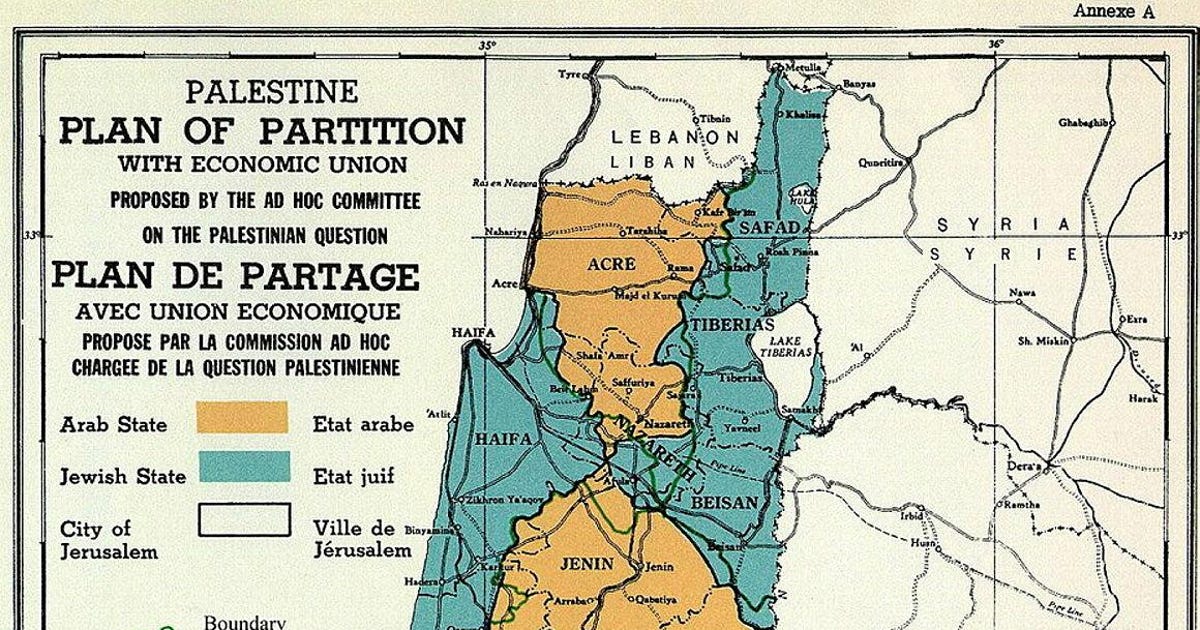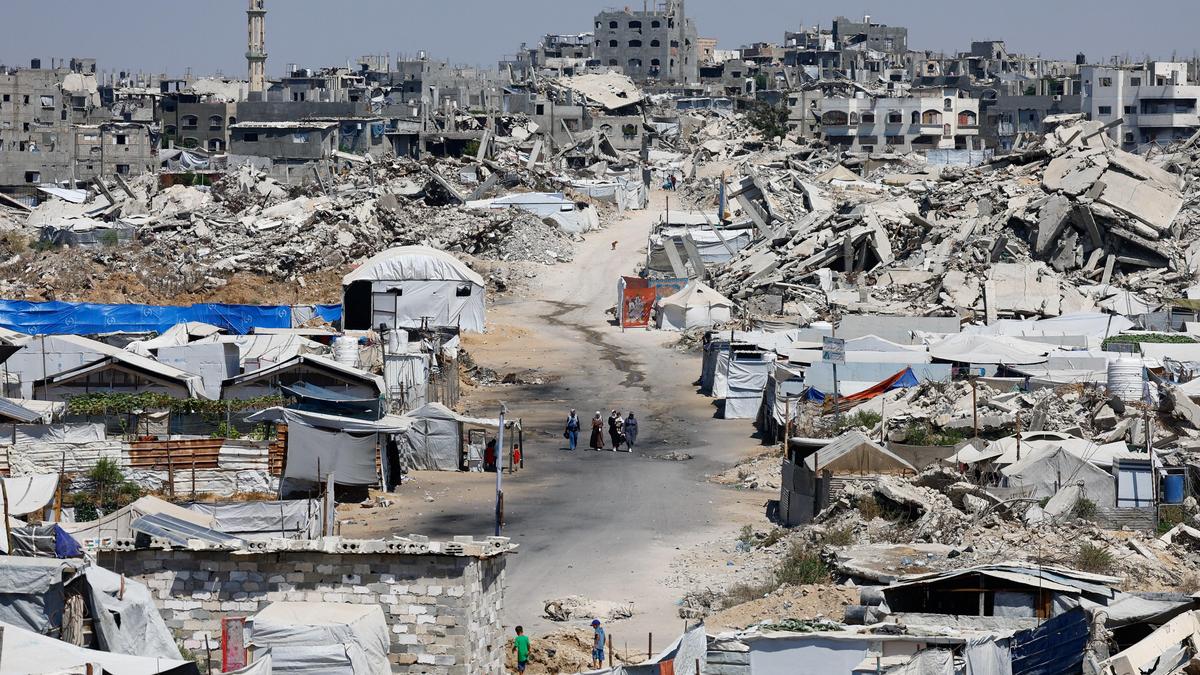
Middle East peace remains trapped in outdated thinking, paralyzed by decades of diplomatic insistence on a traditional two-state (two-country) solution. Yet, the brutal trajectory of recent history proves that separation-based frameworks are entirely dead. In 2021, I published an article in the Jerusalem Post outlining an alternative path proposing a federalized Israeli-Palestinian Union. This model creates a central confederation (one country) with local state autonomy. The proposal sparked immediate, passionate reactions. While many dismissed it instantly as fantasy, a perceptive minority recognized its practical merit as a real blueprint for an integrated, one-country solution. If this model felt like an abstraction then, it is an absolute necessity today. The catastrophic attacks of Oct. 7, 2023, permanently shattered the old status quo, spiraling the region into a relentless, multi-front war. This brutal reality forces us to abandon outdated paradigms and confront the future of the territory through an entirely fresh lens.The tectonic plates of Middle Eastern security are shifting rapidly. Israel’s aggressive military campaigns have thoroughly shattered Iran’s regional proxy networks. In the north, the fighting in Lebanon this year has displaced over 1 million people, fracturing Hezbollah’s entrenched command structures. To the east, sudden, preventive Israeli airstrikes against strategic Syrian air bases send a definitive warning: Jerusalem will no longer tolerate hostile forces on its immediate borders.
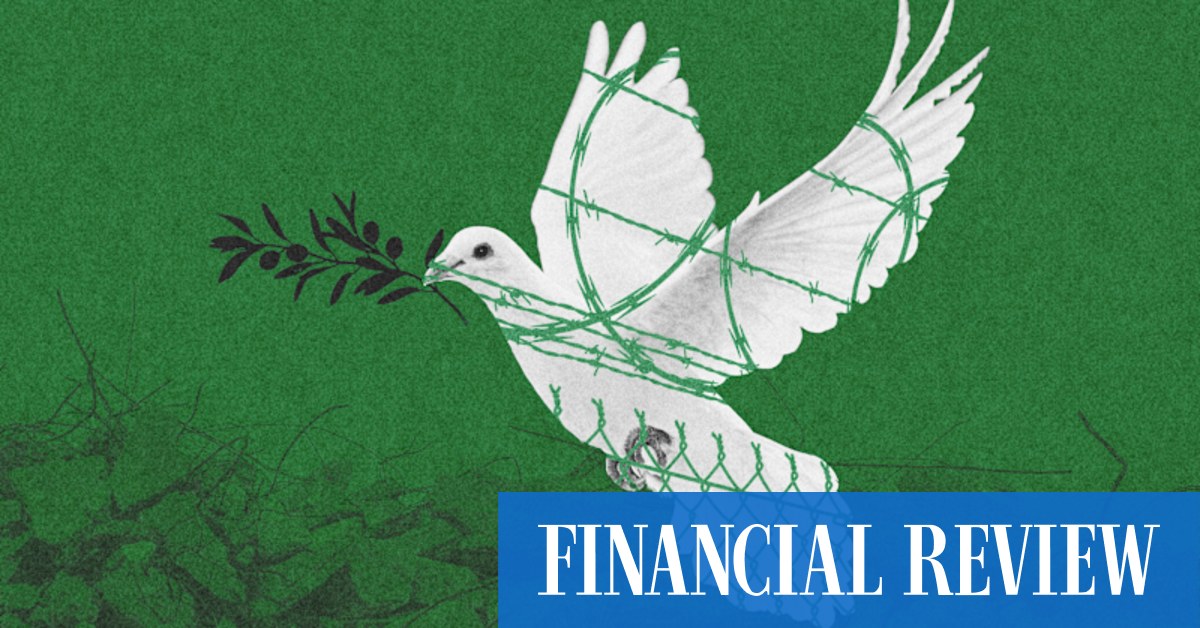
Hamas killed the two-state solution. Here’s the only path forward for Israel
The two-state solution is dead. Middle East peace requires an Israeli-Palestinian federal union based on Northern Ireland’s model.
1,023 words~5 min read