The United States and Canada are barreling toward a deeper trade war after last-ditch efforts to strike a deal collapsed Friday.
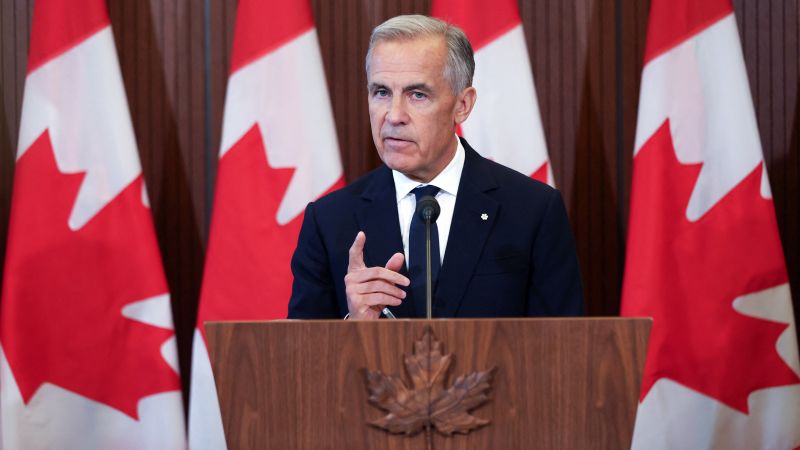
The failed efforts resulted in President Donald Trump enacting 50% tariffs on roughly $20 billion worth of Canadian goods early Saturday morning. Canada is preparing to retaliate with “dollar-for-dollar” tariffs starting September 8, Prime Minister Mark Carney announced over the weekend.
American businesses have a few options: stop importing the impacted goods altogether until they run through their inventory, pay the exorbitant tariff or switch suppliers.
However, Canada may have been selected in the first place because it offered a cost or logistical advantage that isn’t easily replicated elsewhere. Companies that move their purchases, when possible, could therefore end up paying more anyway.
And with the war in Iran already driving up energy and transportation costs, businesses have less room to absorb another hit. That increases the chances that at least some of the tariff costs ultimately land on consumers.