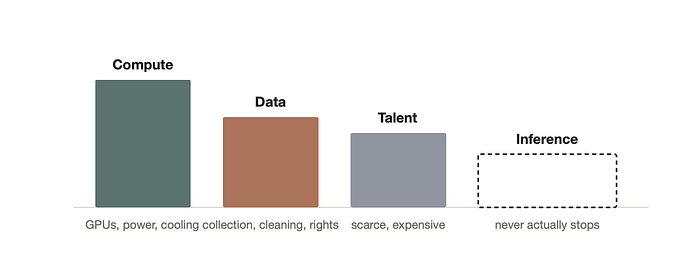
GPU bills get most of the scrutiny when it comes to AI budget reviews, but there’s another important area that teams overlook. If you’re not preparing and slimming down the data that feeds into a model’s context, you’re merely paying to process noise.
Teams building AI applications often default to old habits — collect all the data that might be relevant and worry about what’s important later. They dump complete datasets, such as raw logs or whole tables, into a prompt or a vector database without first determining what’s valuable.
This approach works just fine in a data warehouse, where a query can skip straight to the rows it needs to look at. Inference is different. The model burns tokens reading through redundant files and irrelevant history to find the facts that matter. You end up paying more than necessary.
This is a luxury organizations can’t afford. The FinOps Foundation’s 2026 State of FinOps survey found that 73% of enterprises say their AI costs have already outpaced what they budgeted.
Filter before data reaches the model