August 24, 2026 / 5:00 AM EDT
/ KFF Health News
Add CBS News on Google
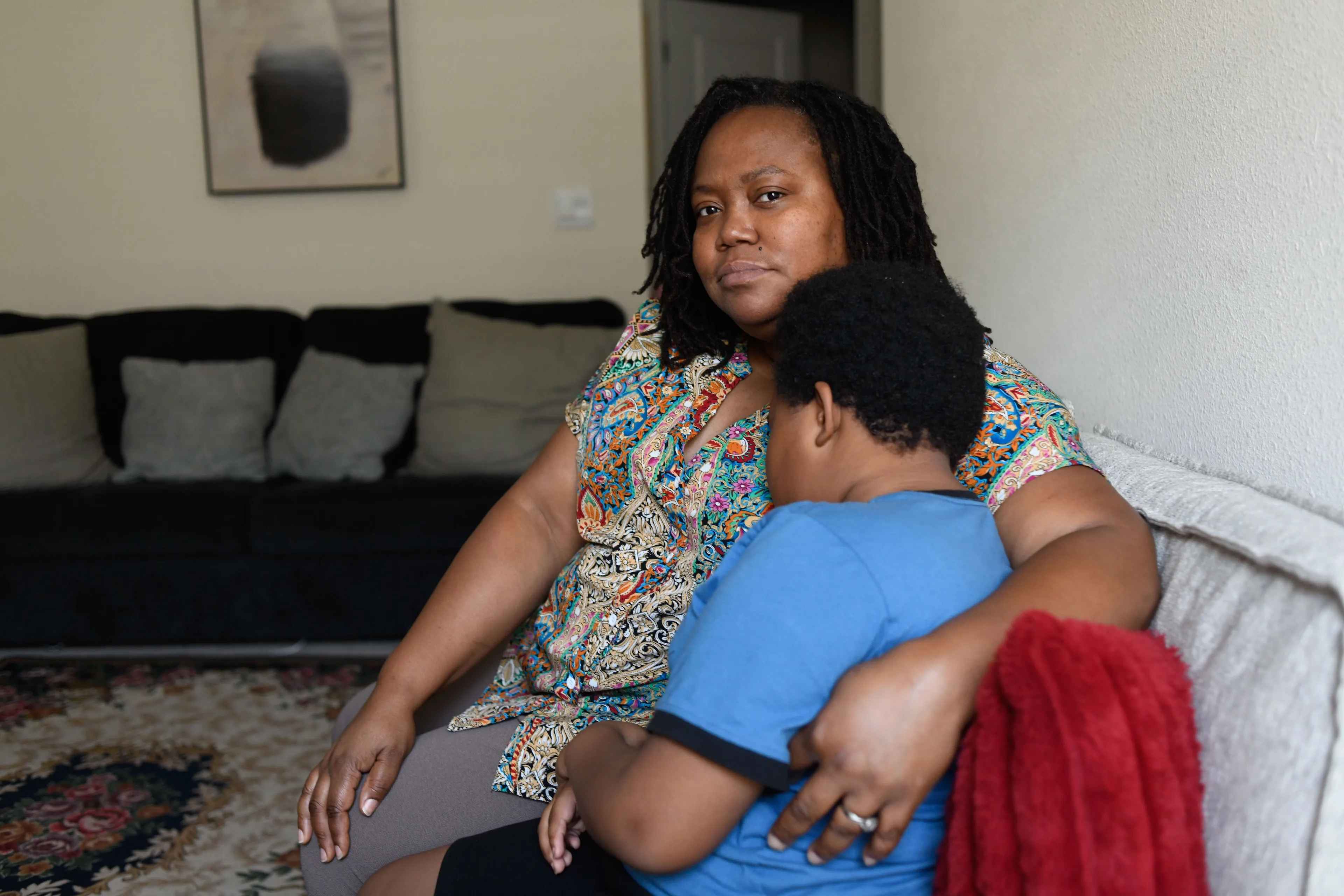
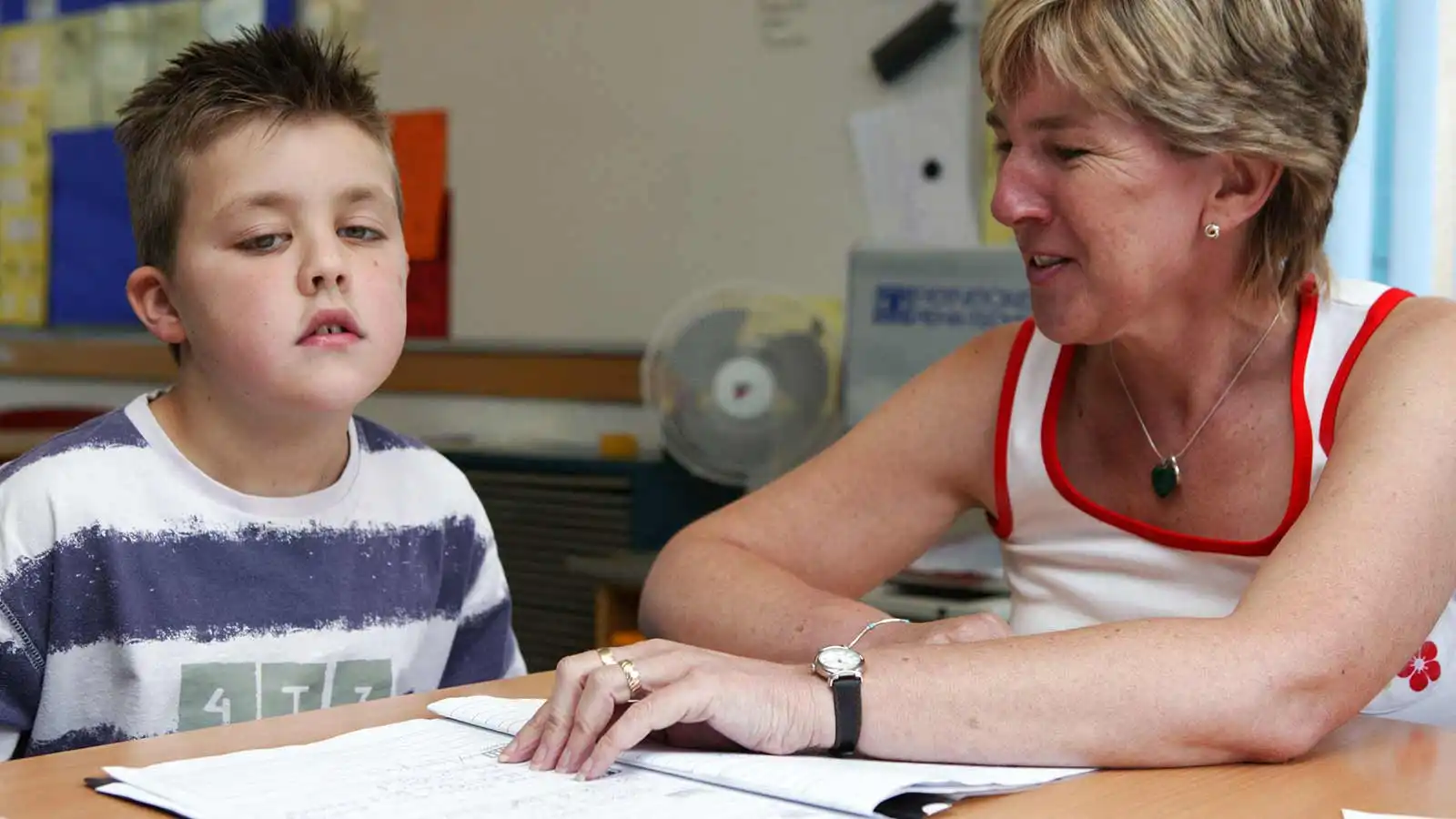
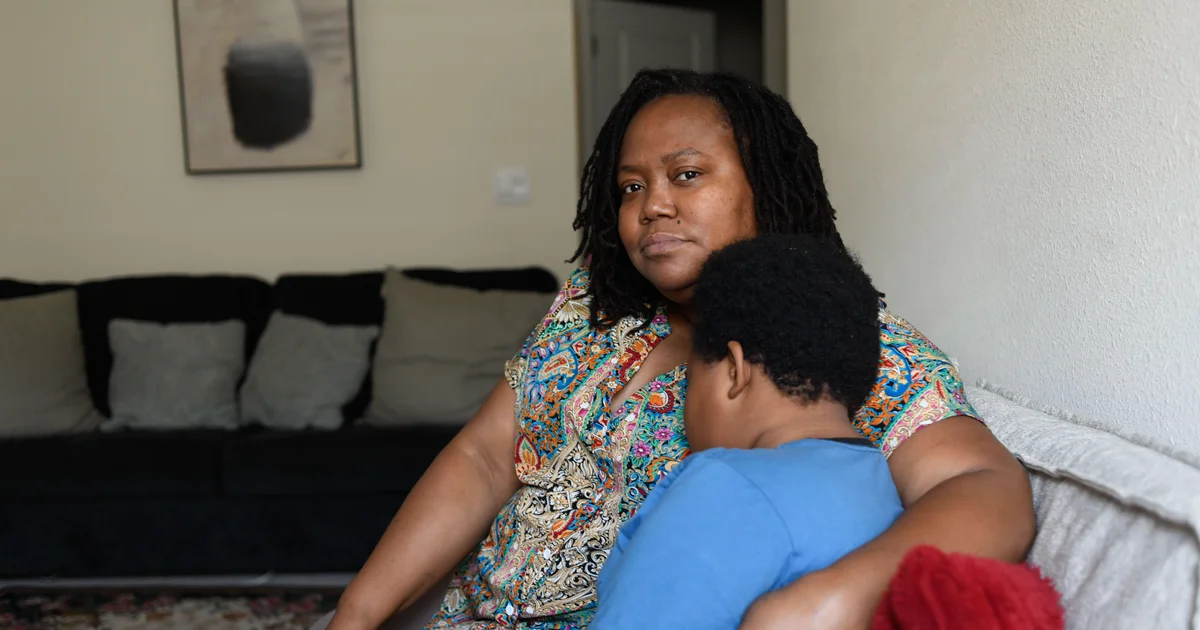
At Chain of Lakes Elementary School in Winter Haven, Florida, Josette Smith's 9-year-old son, Ethan, gets to do what he loves most: crafts, math, and science. That is, when he isn't being pulled out of class.Ethan has autism and attention-deficit/hyperactivity disorder. He was diagnosed with autism in kindergarten after displaying behavior that concerned his relatives: He paced, flapped his arms, and became consumed with highly specific interests, such as Martin Luther King Jr. and dachshunds.In a meeting with school administrators and the district to develop his individualized education program, a legal agreement that outlines the support Ethan requires, the team agreed he required a trained paraprofessional to help him regulate his emotions and remain in class, according to complaints Smith filed against the school. However, the complaints alleged, administrators were unwilling to provide the dedicated aide. Instead of implementing the supports her son needed, his school repeatedly removed him from instruction, suspended him, and even called police on him when he was in third grade, Smith wrote.Smith, a seventh grade science teacher, said she first filed complaints with the school district and the state with these allegations. But when problems persisted, she turned to the U.S. Department of Education's Office for Civil Rights, the federal agency tasked with resolving complaints like hers. Smith's federal complaint included the same account and alleged that the school discriminated against her son because of his disability and race, including deploying pressure tactics to push her Black son out of the public school. In May, the office said it would investigate several of her allegations.For families who believe their child's rights were violated based on race, disability, or gender in school, the federal agency often has been one of the main places to turn. But the White House cut its offices and weakened its ability to follow up with cases, as well as slashed funding to research on disparities that people of color face in getting diagnosed and attaining resources for disabilities.