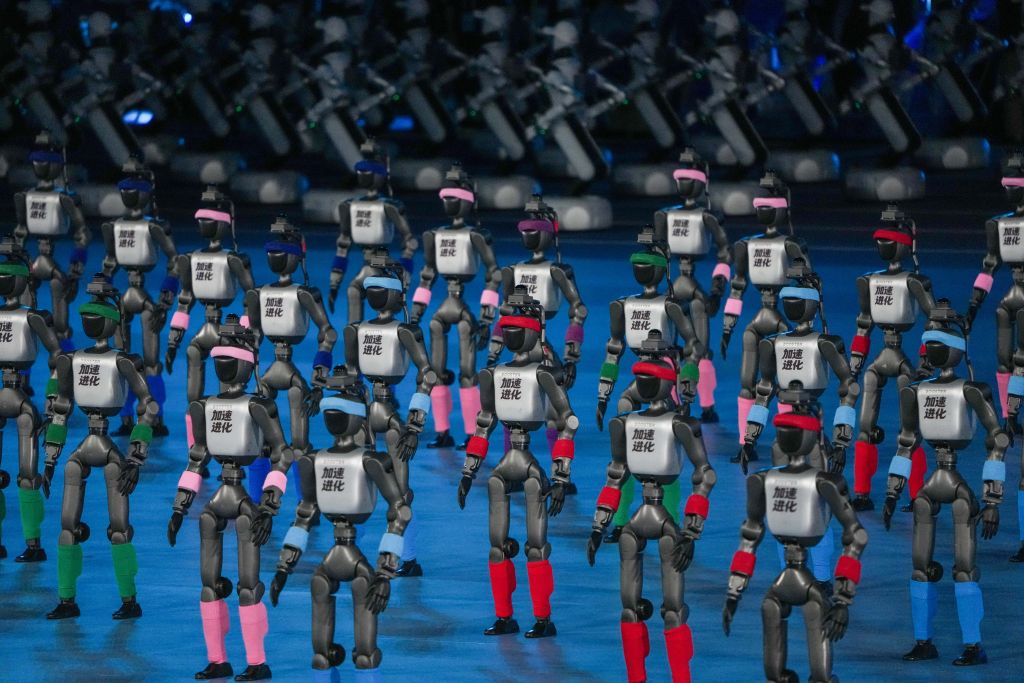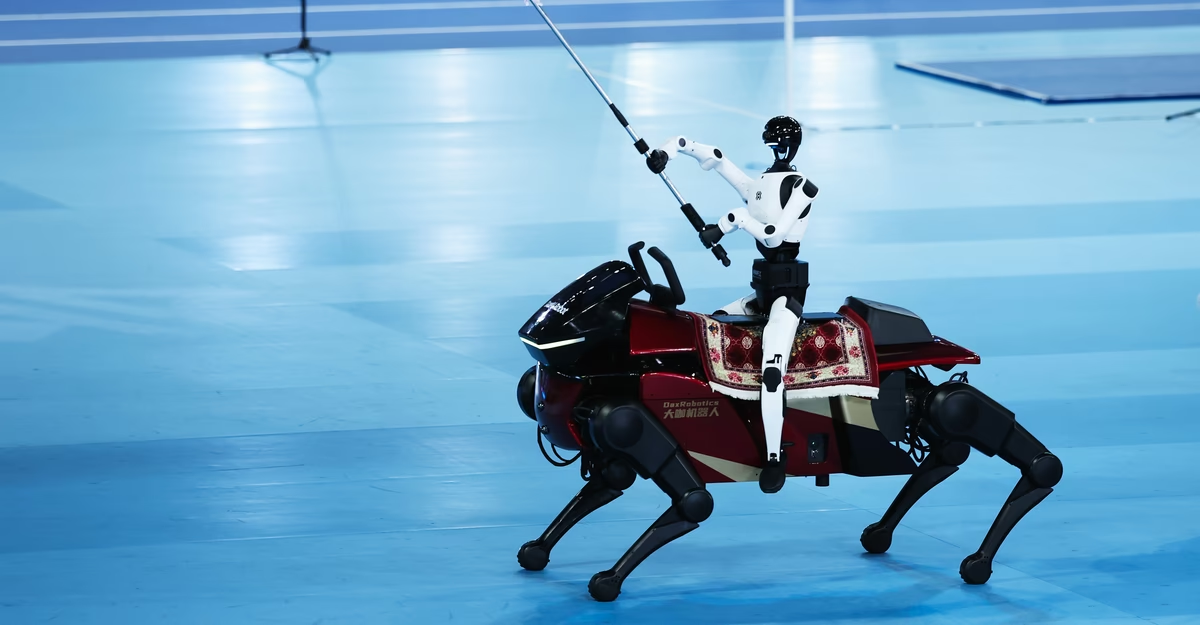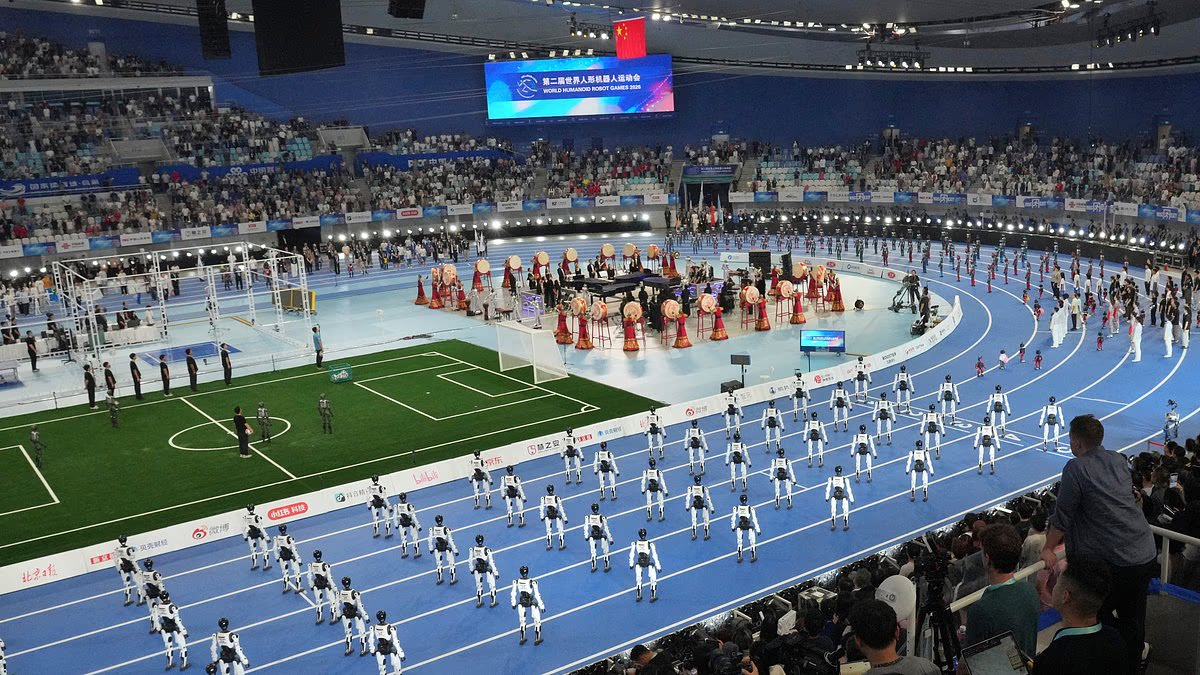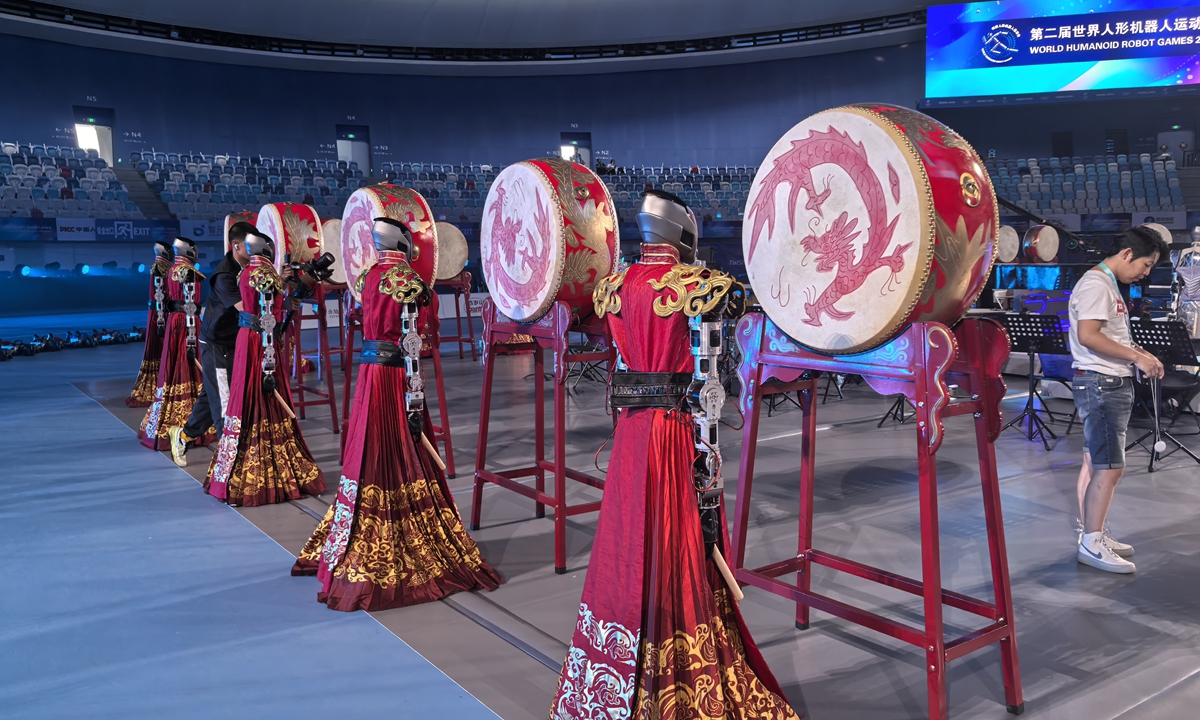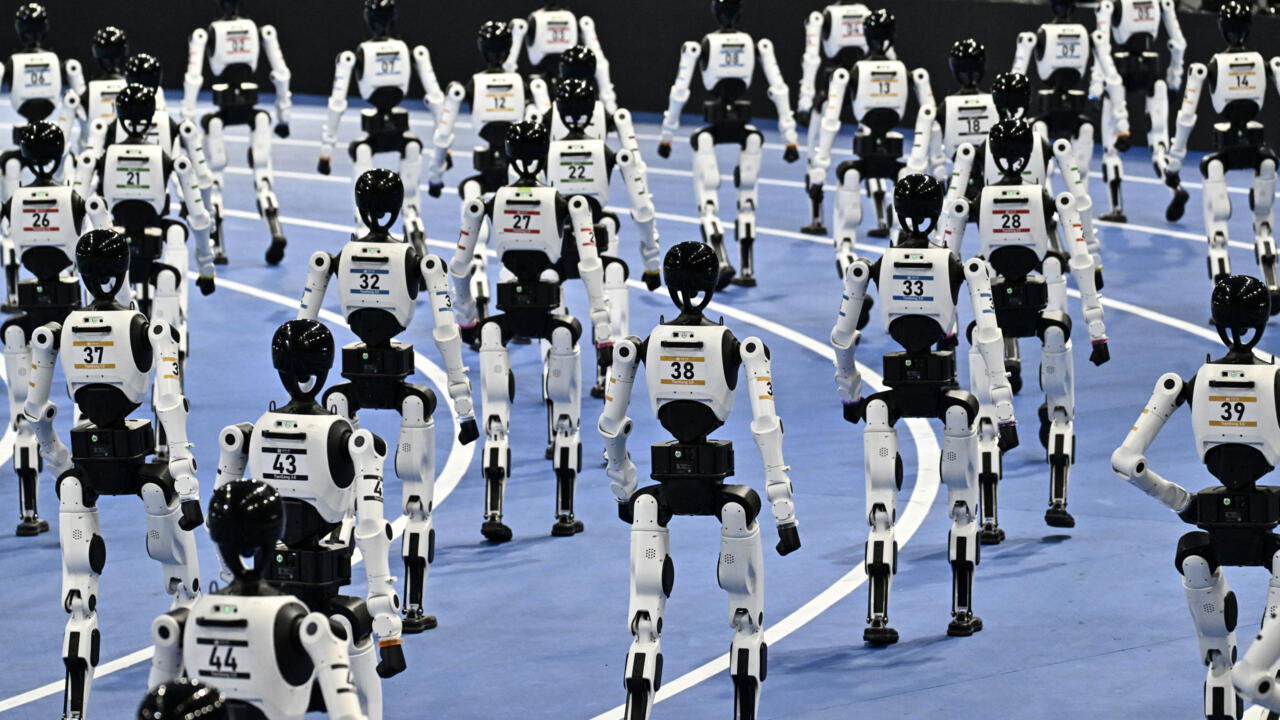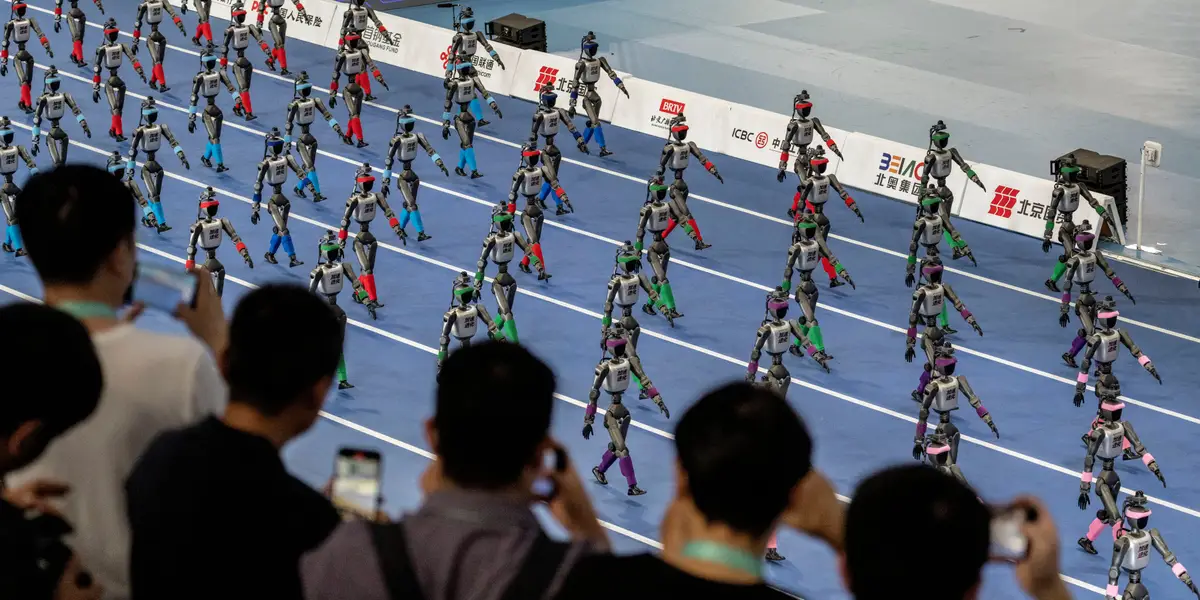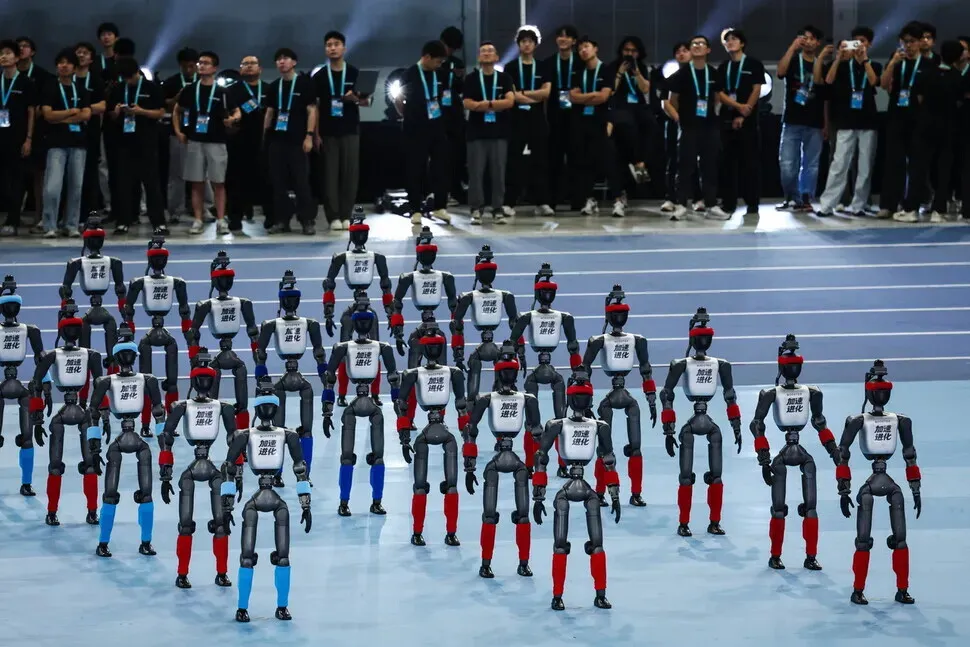
Humanoid robots stand in formation at the opening ceremony of the World Humanoid Robot Games at the National Speed Skating Oval in Beijing, China, on Aug. 22, 2026. (EPA/Yonhap)
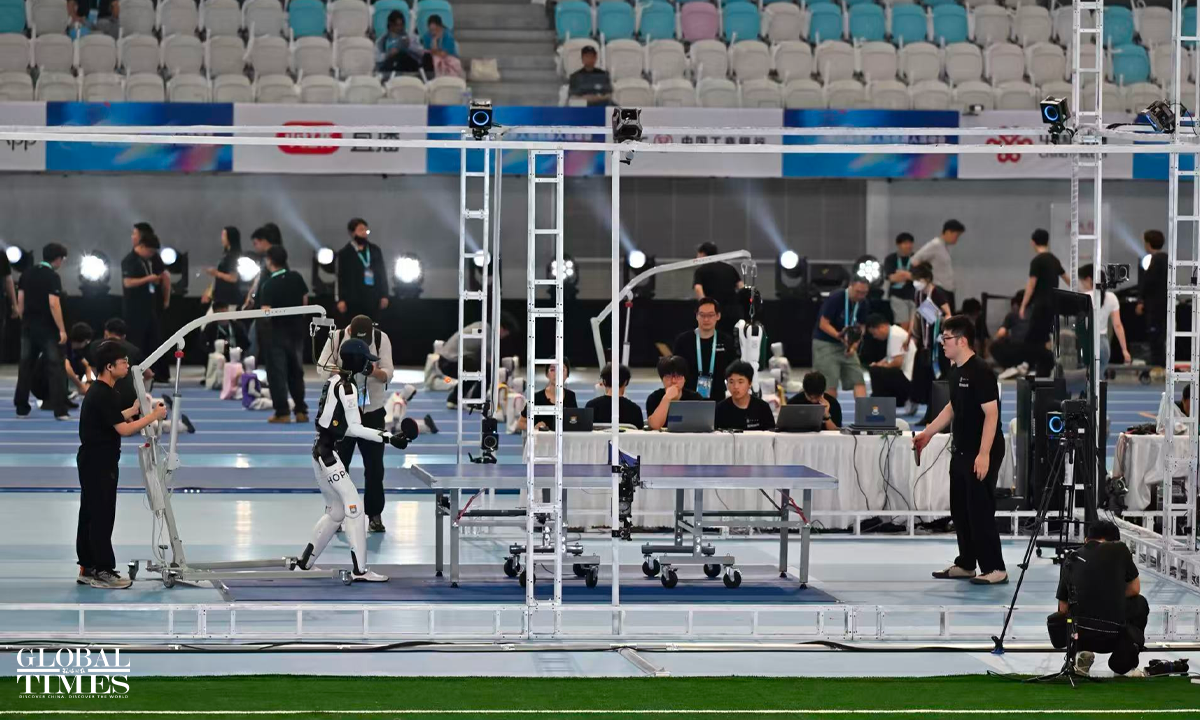
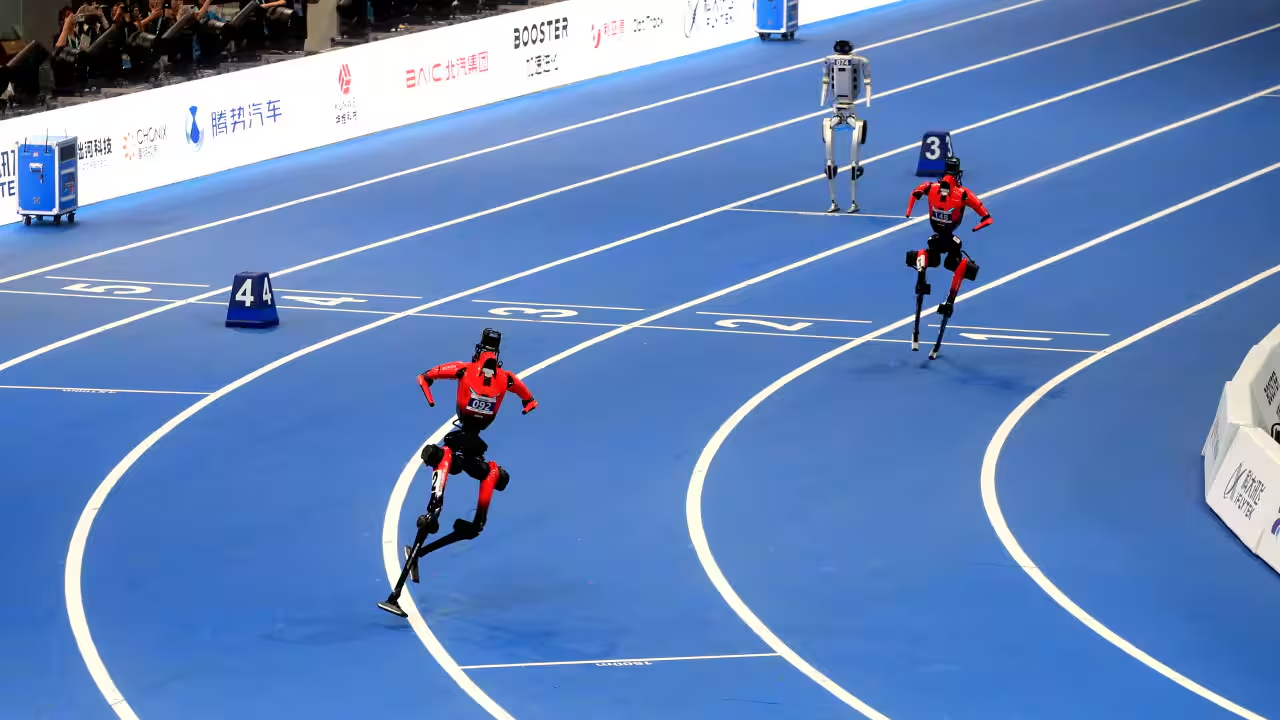
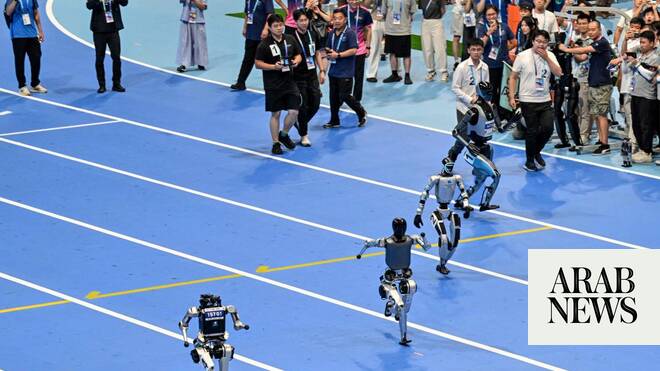
On Sunday, Beijing’s National Speed Skating Oval was transformed for a competition that had little to do with speed skating. A robot bearing the number No. 65 was slowly organizing a random pile of large cardboard boxes, file organizers and trash cans in the southern section of the arena.It first pushed a chair out of its path and then picked up a file organizer. But the robot’s arm knocked the organizer back onto the floor. More than 10 minutes passed without the robot finishing the office cleanup.On the northern side of the venue, robots had assumed the role of restaurant workers. Wheeled humanoids worked in a kitchen equipped with a coffee machine, microwave and pantry, taking bread from the pantry, nuking it in the microwave, brewing coffee and placing it in a designated spot.Robot No. 131 completed the task after 15 minutes and 33 seconds.The second World Humanoid Robot Games, which opened on Saturday, puts a greater emphasis on robots’ work ability than last year’s edition.In addition to sprinting and leaping, fascinated viewers observed events testing whether robots could accurately identify objects, grip them with the right amount of force and complete a sequence of tasks.Running through Wednesday, the five-day games feature 2,056 robots from 666 teams and 16 countries competing in 1,301 contests across 51 events.The number of participating teams rose by 140% as the number of events doubled.The games’ organizers said the scenario-based events were designed to test robots on real-world workflows rather than isolated motions. The aim is to determine how effectively the robot’s “eyes,” “brains” and “hands” can work together.Organizers described such competitive scenarios as a test of whether robots can progress from mere movement to genuine utility.