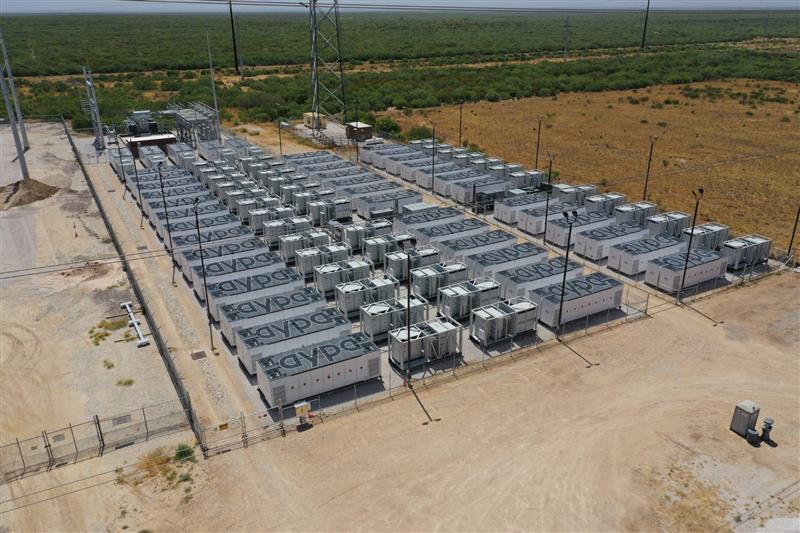
To properly understand the boom in battery construction today, one must look back to market conditions around five years ago, when the utilities were awarding the contracts for these plants, said Autumn Johnson, executive director of the Arizona branch of the Solar Energy Industries Association.
In 2018, the Arizona Corporation Commission chastised APS for relying too heavily on gas power plants in its long-term planning, prompting the company to take batteries seriously as a cost-effective source of peak power. The Biden administration passed the Inflation Reduction Act in 2022, solidifying a decade’s worth of tax credits for installing solar and batteries. Within a few years, all the state’s major utilities had pledged to decarbonize their fleets by mid-century.
The wave of storage projects built in recent years is the result of contracts the utilities signed in those heady times, Johnson said.
But the political landscape in Arizona and nationally has shifted since then, casting a pall over the future of the state’s solar and storage buildout.
The Trump administration gutted Biden’s climate law last year, though it preserved tax credits for batteries specifically. APS abandoned its own climate goals. The utility regulator is picking performative fights with clean energy instead of pushing the utilities to be more ambitious. The state legislature this year proposed “a record number of terrible energy bills,” Johnson said, including ones to mandate that 85% of electricity capacity come from dispatchable or baseload sources (not intermittent renewables) and to label wind and solar farms a “public nuisance” if they fall within 4 miles of a residential property.