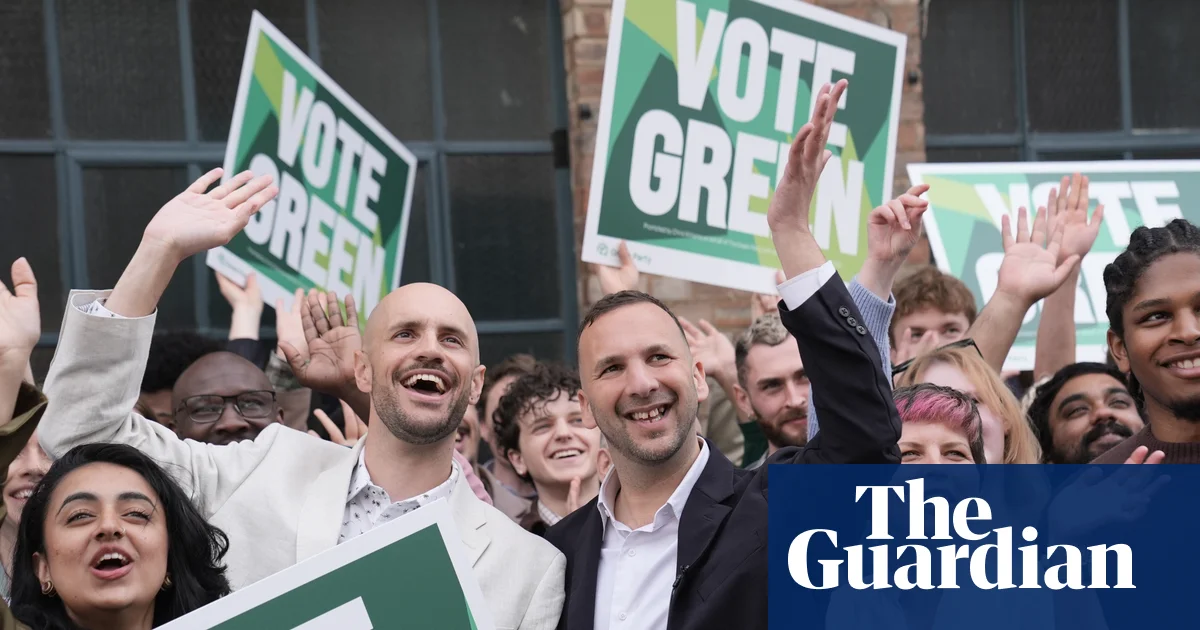
In recent years, the Green Party has firmly established itself as the primary electoral outlet for left-leaning voters in England and Wales disillusioned by Labour’s domestic, economic and foreign policy. Its more combative approach under Zack Polanski, its firm stance in support of Palestinian liberation and left-populist economic policies have all enabled it to make significant inroads into Labour’s fragmenting progressive base.
By eating into the Labour Party’s support among young voters and those from minority backgrounds, particularly British Muslims angered and alienated by Keir Starmer’s active complicity in Israel’s genocide in Gaza, the Greens also played their part in hastening Starmer’s political demise, contributing to the sense that Labour was facing an existential wipeout unless it rapidly found some way of changing course - or at least giving the appearance of having done so.
But Andy Burnham’s rise to the Labour leadership, and the premiership, poses the Greens with a thornier challenge. Certainly, Burnham is a far more capable and charismatic politician than Starmer, and has the benefit of having spent a considerable amount of time outside the Westminster bubble (even if Burnham’s much-vaunted “Manchesterism” is little more than a buzzword). There are good reasons to doubt whether Burnham’s ambitious rhetoric has any underlying substance, but it has been enough to stall the Greens’ momentum.