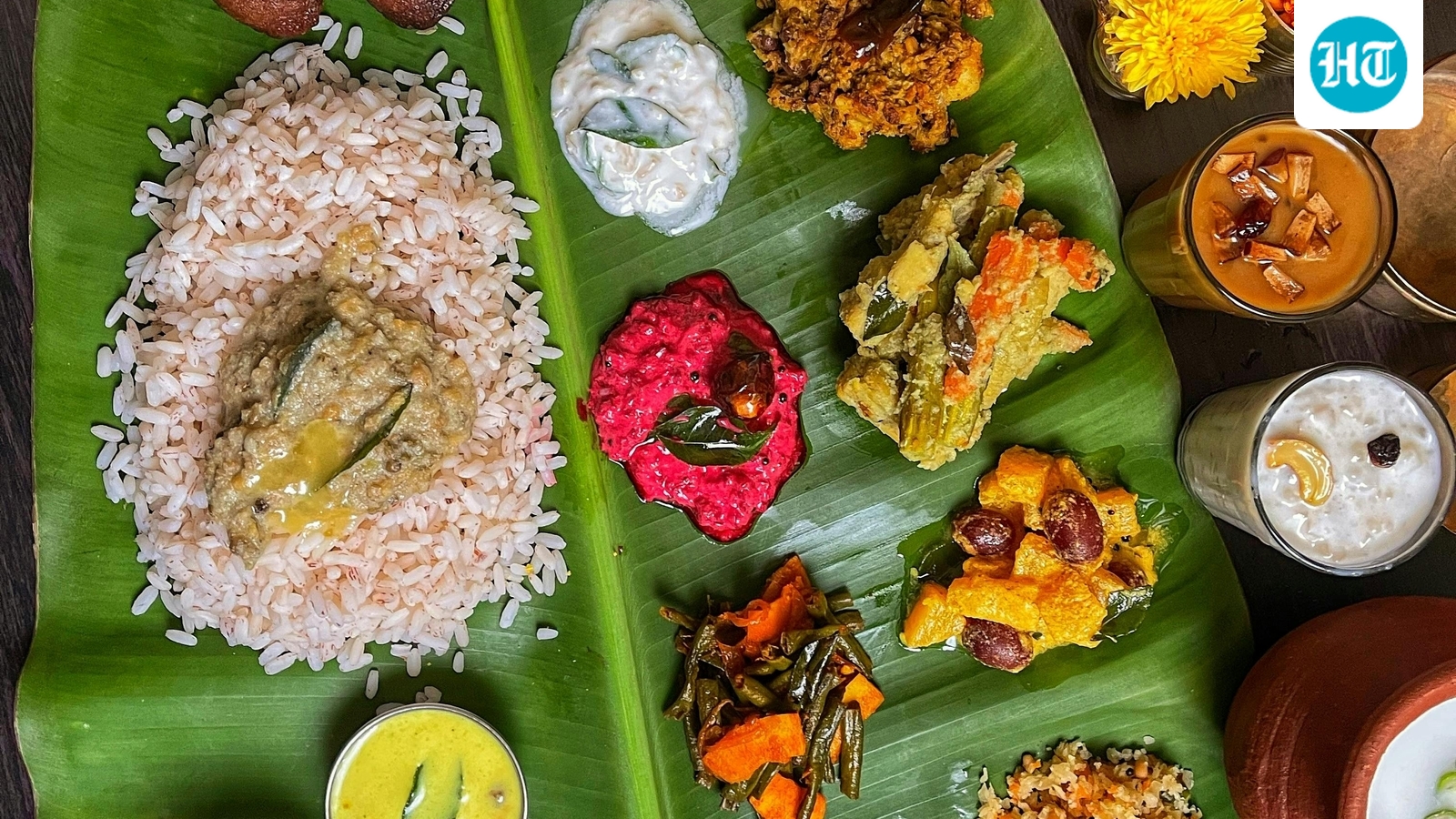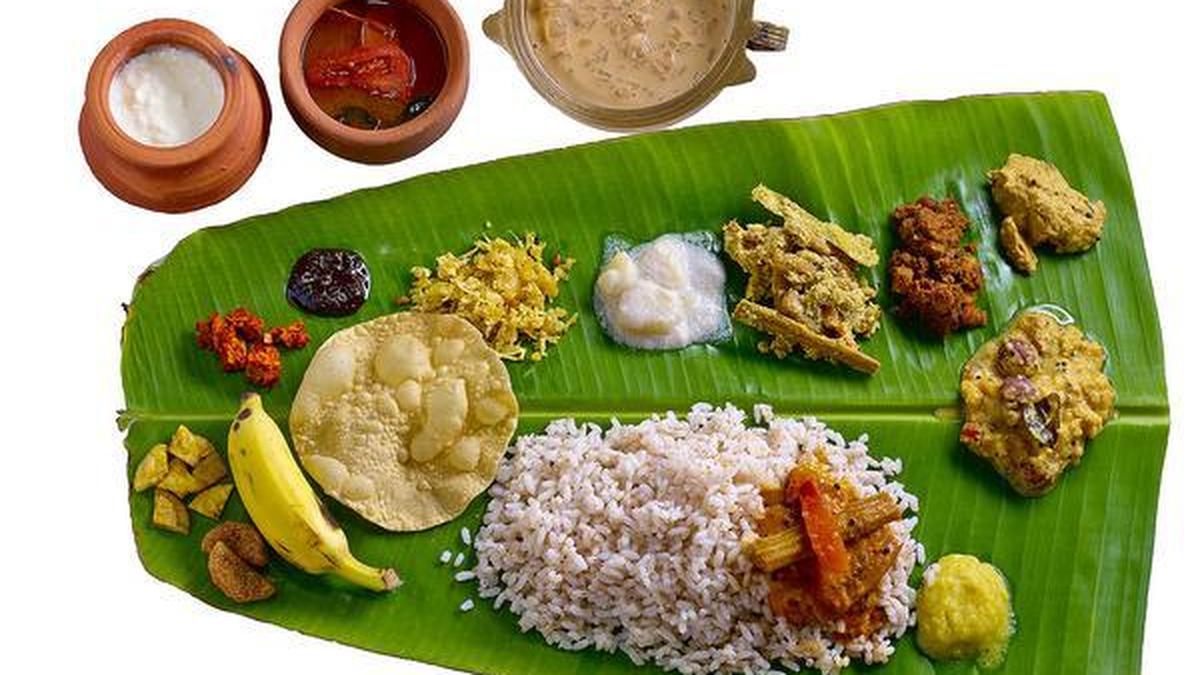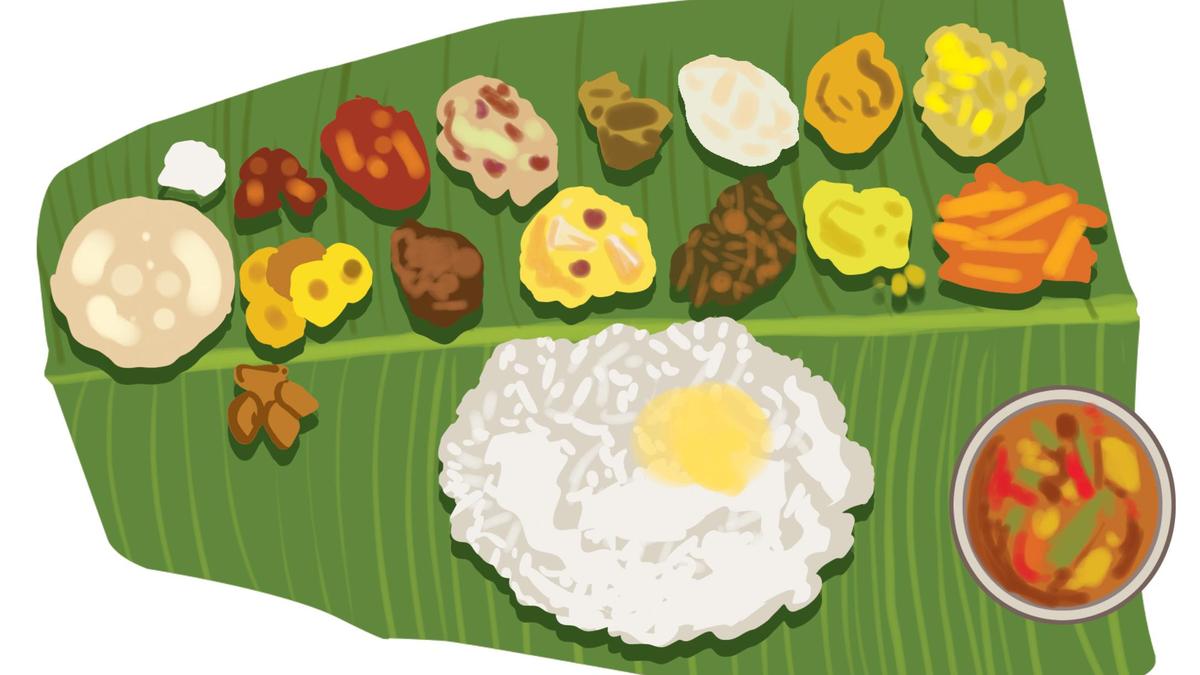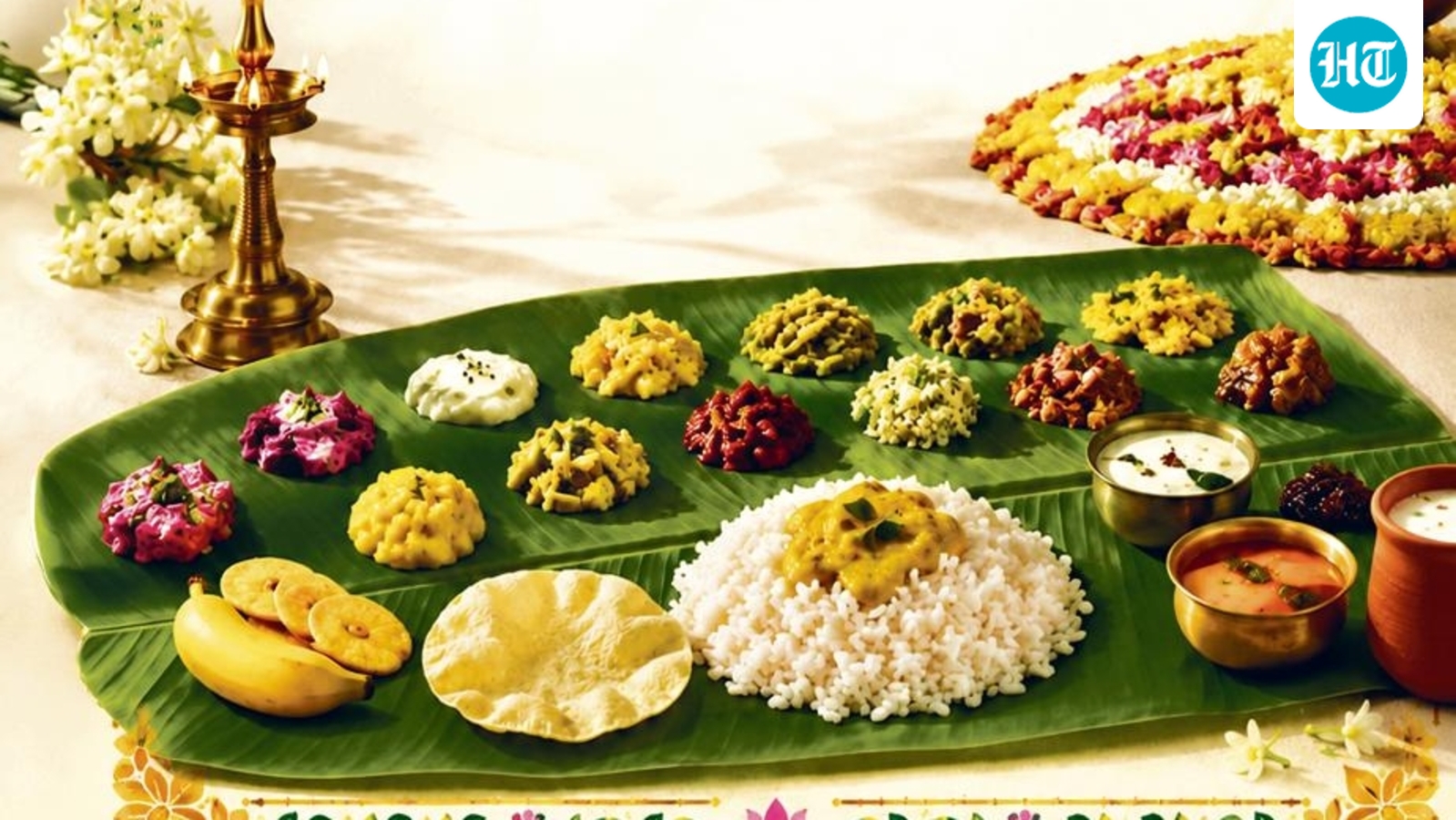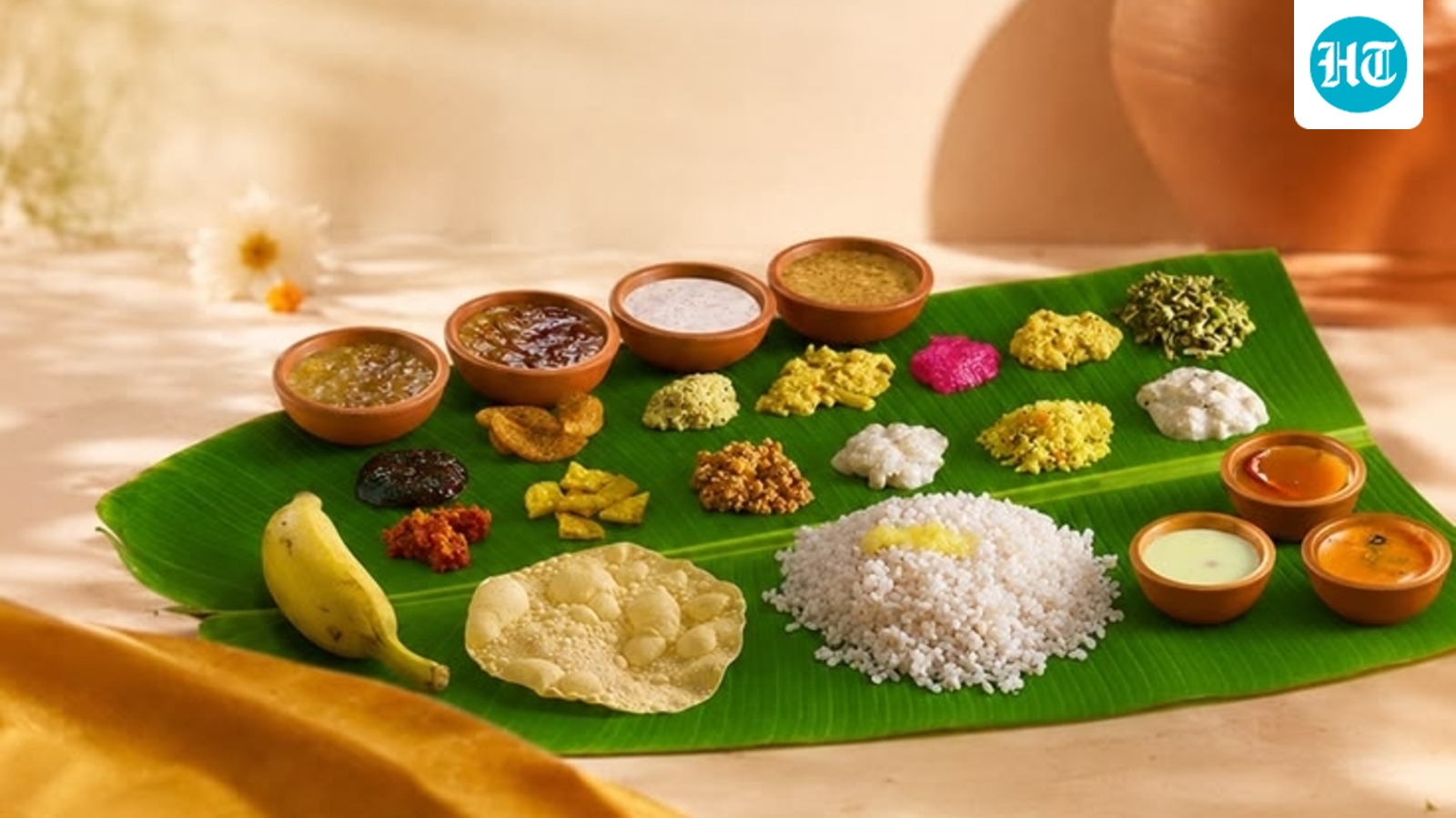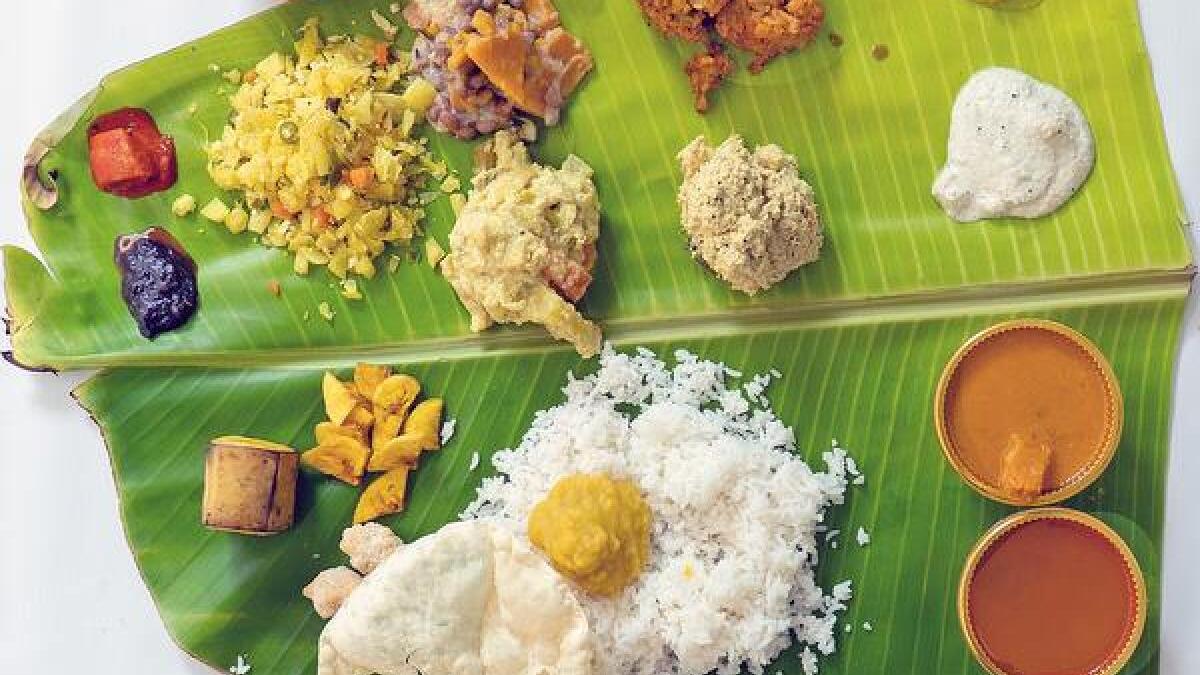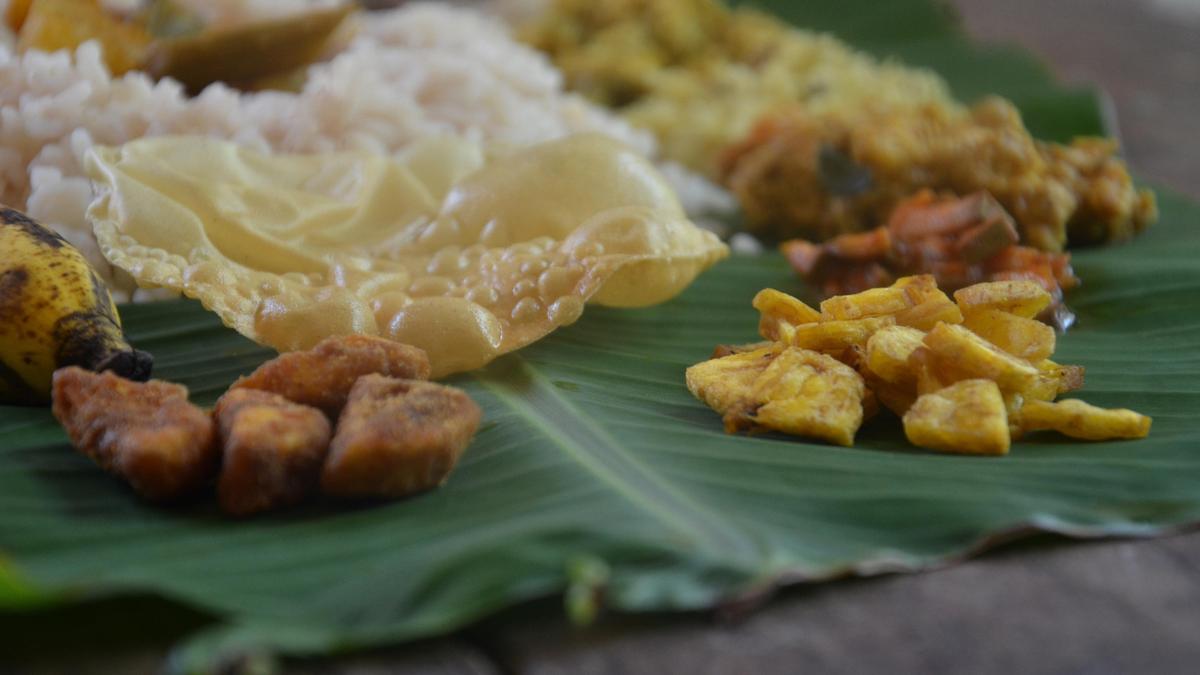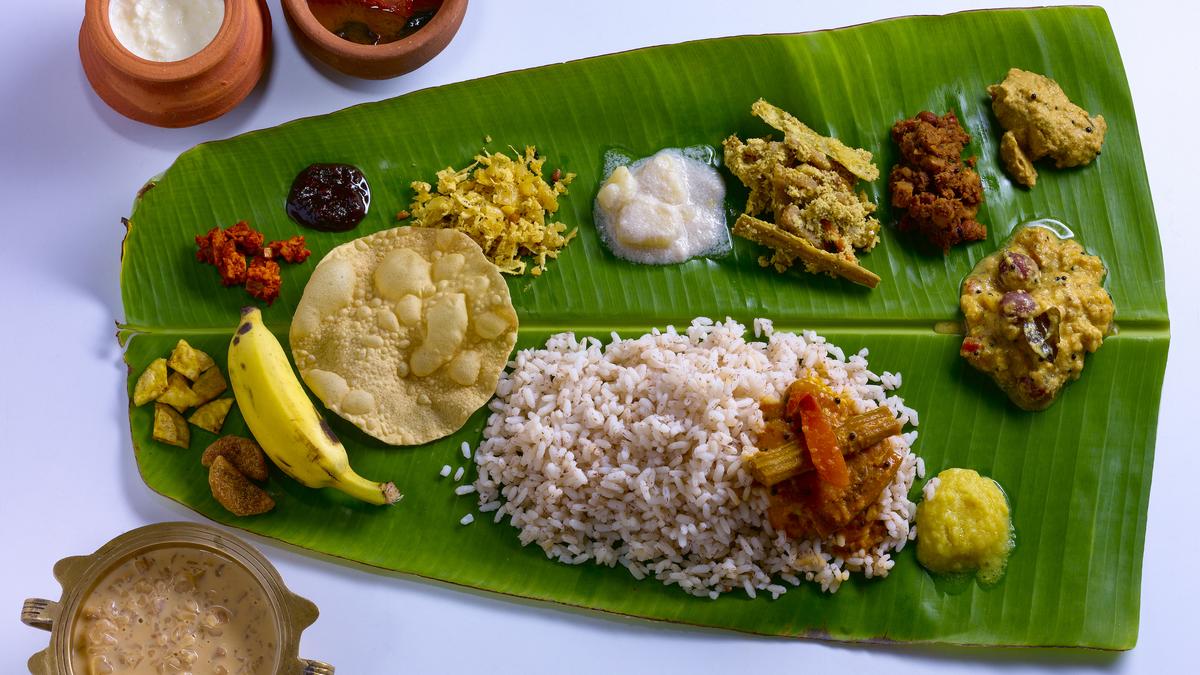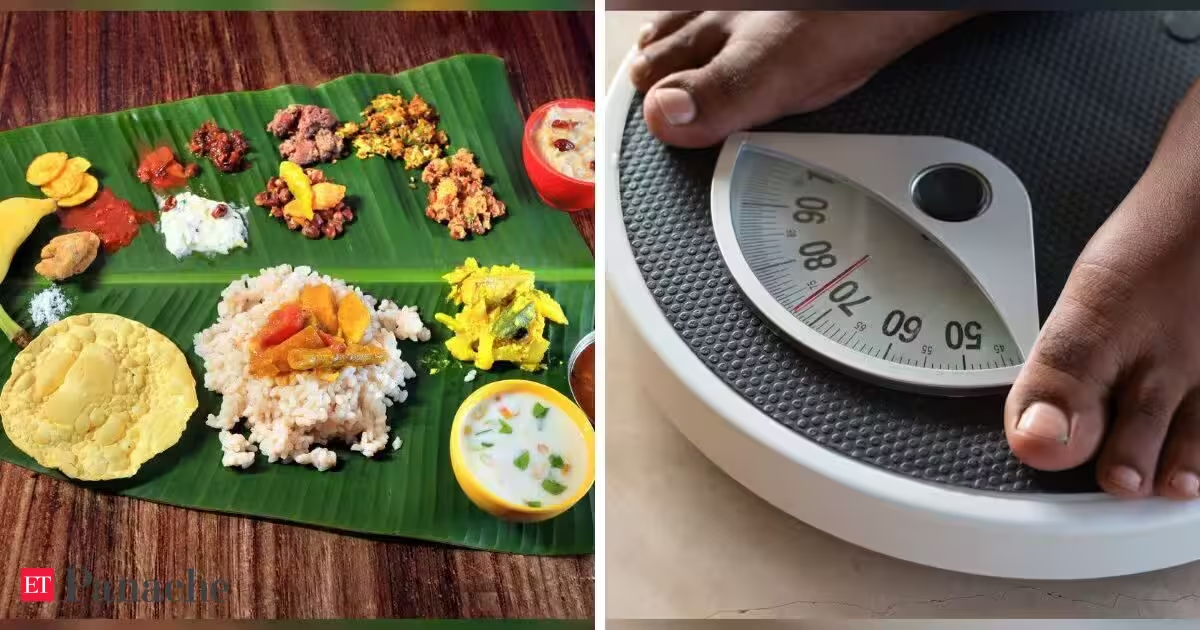
Onam is almost here, and one of the biggest highlights of the festival is the festive platter that delights everyone: the traditional Onam Sadya. Served on a banana leaf, the elaborate feast brings together rice, curries, pickles, fried snacks and indulgent payasam. But this generous spread can also mean a heavy calorie intake, especially when multiple Sadyas are enjoyed during the celebrations.Kerala-based Dr Veena Choodamani, whose areas of expertise include Obstetrics, Gynecology and Laparoscopy says one Sadya can contain 1,500 to 2,500 calories. Meanwhile, dietitian Neethu, a diabetes educator, Limca World Record winner and member of the Indian Dietetic Association and IAPEN, have shared tips on enjoying the festive meal more mindfully. Their suggestions include reducing rice and fried foods, choosing more vegetable-based curries and paying attention to protein and portion sizes.How many calories can an Onam Sadya have?For many families, Onam celebrations mean enjoying more than one Sadya. Dr Veena Choodamani, speaking about nutrition during pregnancy said that the focus should not only be on the calories but also on ensuring adequate protein. She explained that with three to four Sadyas potentially being eaten during the festive period, the total calorie intake could reach around 10,000 calories in a week.Her suggestion is not to avoid the traditional meal altogether, but to make smarter choices within it.Eating more proteinDr Choodamani recommends reducing the quantity of rice and including more protein-rich foods. She specifically suggested having a little more dal rice while also increasing portions of vegetable-based dishes such as aviyal and thoran.Aviyal is a traditional Kerala preparation made with mixed vegetables, coconut, yogurt, coconut oil and curry leaves. Thoran is a dry vegetable preparation that commonly includes vegetables such as cabbage, beans or carrots along with fresh grated coconut and coconut oil.She also advised reducing the quantity of payasam, particularly when several calorie-dense dishes are already part of the meal.Dietitian Neethu shares tips for a guilt-free Onam SadyaDietitian Neethu also shared her suggestions on social media for enjoying an Onam Sadya more mindfully. One of her key recommendations is to eat more curries than rice. She suggested choosing dishes such as thoran, aviyal and olan in greater quantities while keeping the rice portion smaller.Neethu also recommends including buttermilk and banana with the Sadya, noting that they can help with digestion. She suggested drinking a glass of buttermilk or plain water before starting the meal.Choose your payasam wiselyPayasam is an important part of the Onam feast, but it can also add considerably to the overall calorie intake. Neethu suggested trying broken wheat payasam, avoiding refined sugar and using jaggery instead. She also recommended horse gram, or muthira, payasam prepared with ragi milk as another option.Dr Choodamani similarly advised reducing the amount of payasam rather than completely eliminating it from the festive meal.Limit fried foodsBanana chips and pappadam are among the most tempting parts of a Sadya, but Neethu recommends keeping fried foods to a minimum. If you want to enjoy them, she suggests taking only a small portion rather than having multiple servings. She also recommends choosing Kerala red rice, or matta rice, in a smaller portion. According to her advice, it contains more fibre than white rice and can be a better option for weight management.Staying hydrated throughout the meal is another simple step she recommends, with water helping support digestion.What is included in a traditional Kerala Sadya?A traditional Sadya can feature a wide variety of sweet, savoury, spicy and vegetable-based dishes. A typical spread may include:Upperi: Banana chipsSarkara varatti: Jaggery-coated banana chipsBanana: Njalippoovan or PalayankodanThoran: Cabbage or carrotInji curry: Ginger-tamarind picklePickle: Lemon or mangoPachadi: Sweet, sour, and spicy yogurt-based side dishKichadi: Yogurt-based dishKootu curry: Semi-dry, and flavorful dish made with black chickpeas, raw banana, and yam in coconut gravyAvialOlan: Mild, and creamy coconut milk stewRice: Kerala matta or red riceParippu: Lentil curryGheePappadamSambarKalan: Tangy traditional Kerala curryRasam: Spicy, and tangy soup made with tamarind and tomatoesPal payasam: Milk dessertSarkara payasam: Jaggery dessertMoru: Seasoned buttermilkThe traditional meal is therefore less about eliminating individual dishes and more about how much of each item makes it onto the banana leaf. Dr Choodamani's advice centres on balancing the calorie-heavy spread with more protein and vegetable-based dishes, while Neethu recommends smaller portions of rice, fried foods and desserts.
Your Onam Sadya may be hiding 2,500 calories: Nutritionist suggests what to cut from your traditional festive meal
Onam Sadya is a festive highlight, but the traditional Kerala feast can contain 1,500 to 2,500 calories, according to Dr Veena Choodamani. She recommends reducing rice and payasam while adding more protein, aviyal and thoran. Dietitian Neethu suggests smaller portions of rice and fried foods, choosing red rice, drinking water or buttermilk and trying lighter payasam options. These simple swaps can make the festive feast more balanced without giving up its traditional flavours.
703 words~3 min read