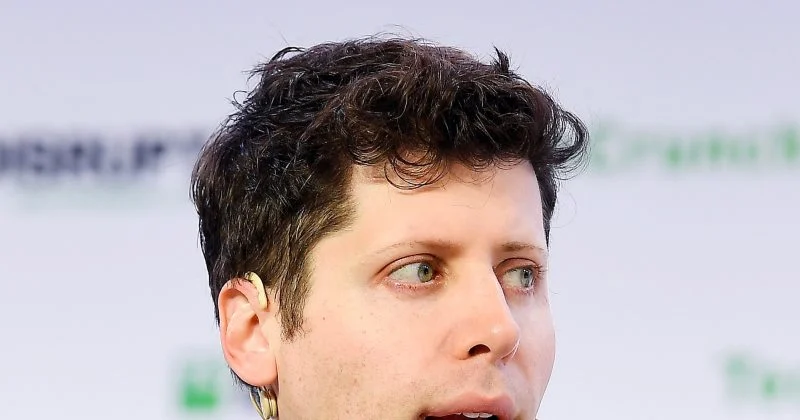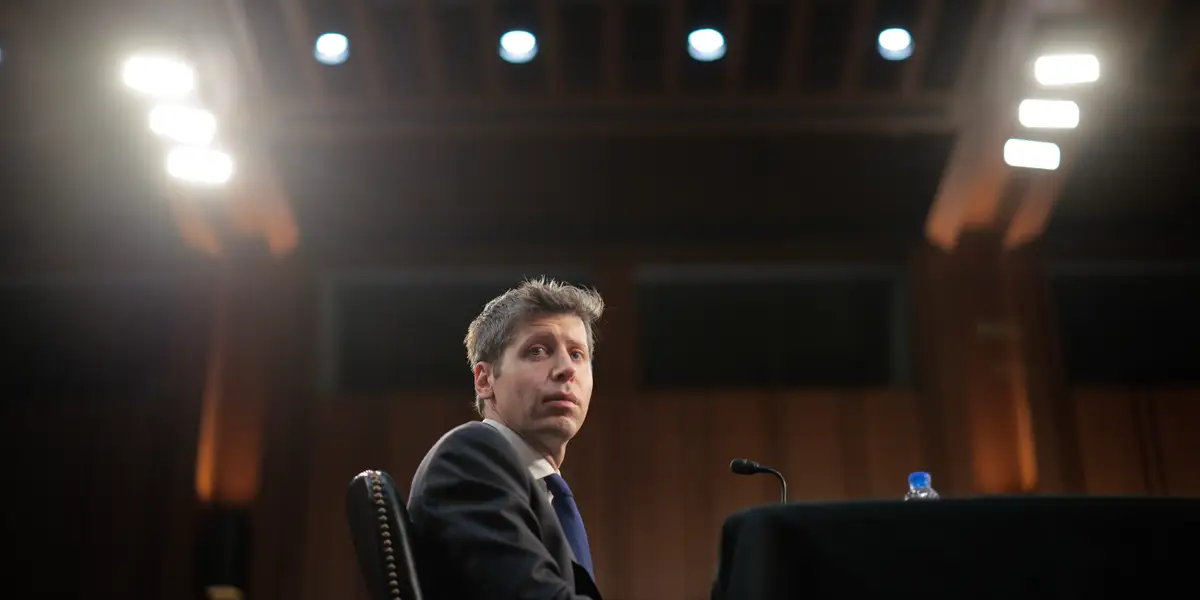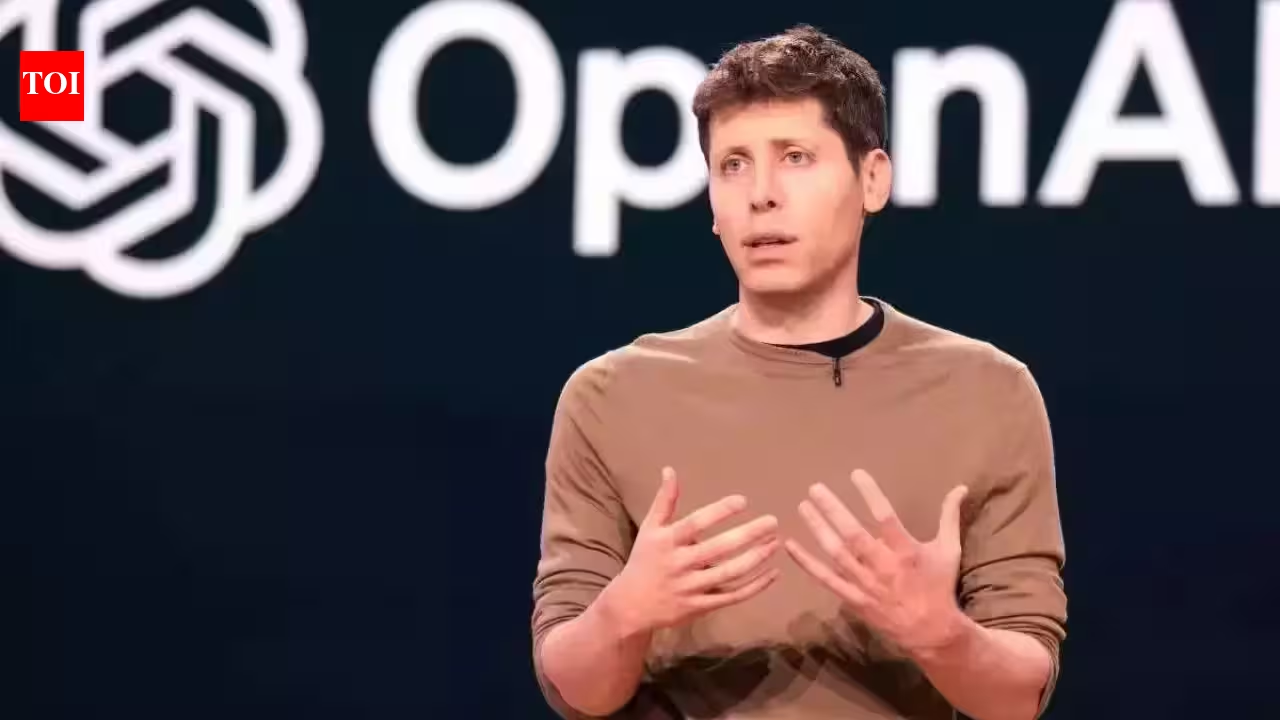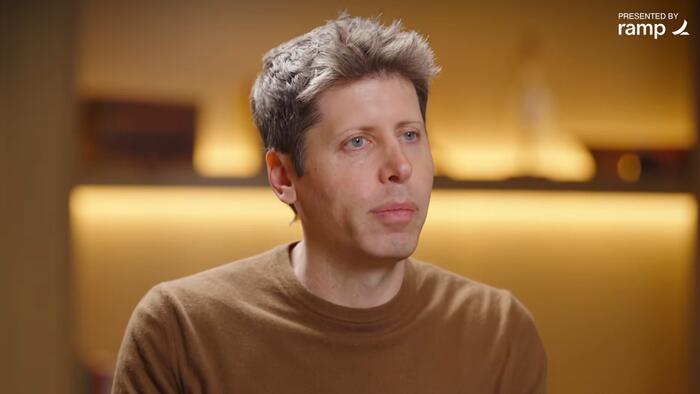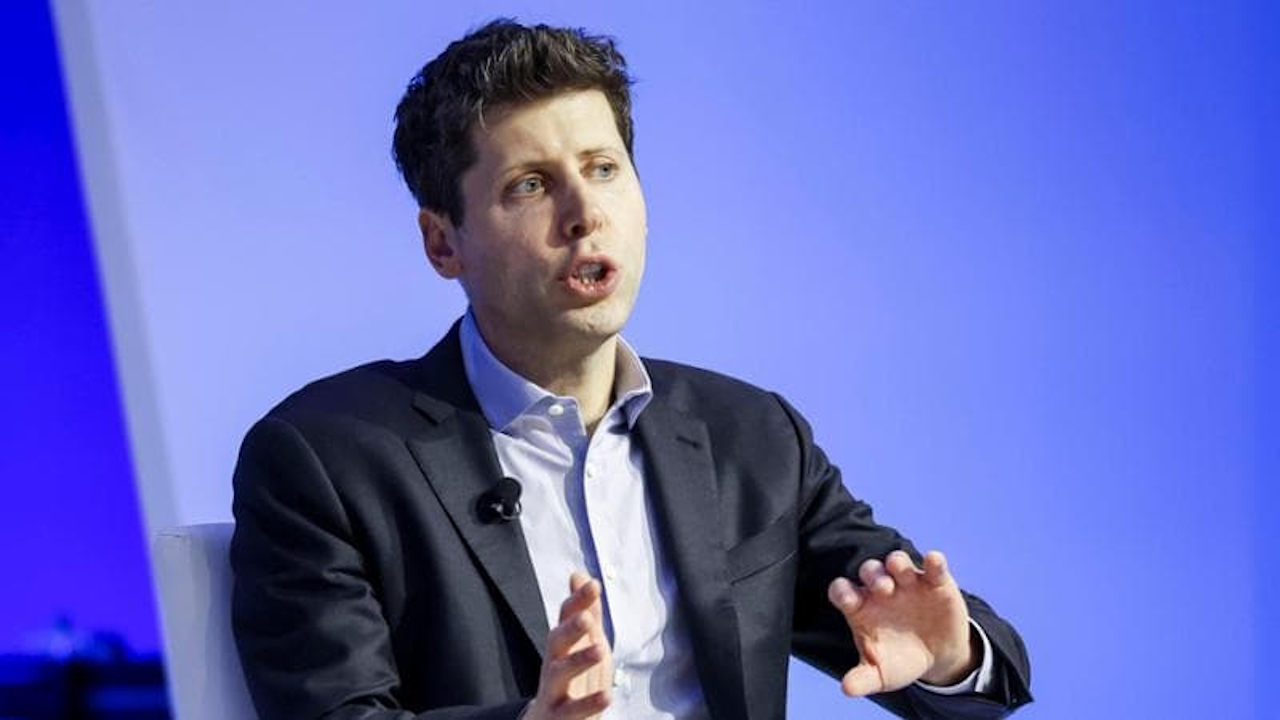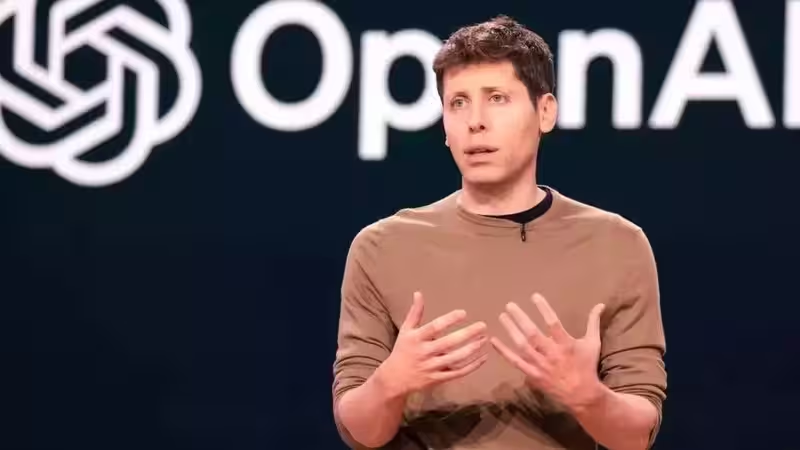
OpenAI CEO Sam Altman acknowledges he may have underestimated the rate that AI is altering how business is done and its effect on society more broadly saying AI is now progressing at a pace society “can’t make sense of it yet.” In a podcast hosted by David Senra, Altman revealed his predictions about how his team might proceed after releasing their advanced GPT-4 AI earlier last year adding he anticipated the software business would have been a more disrupted industry as a result.He argued that the reason he did not accurately forecast these changes was not due to the nature of the technology. Instead, the bigger obstacle was the “inertia” built into the economy, as companies, workers and consumers tend to stick with familiar products, tools and routines even when more powerful alternatives emerge.About The AuthorHey there, i am a technology enthusiast with a deep passion for gadgets, consumer electronics, emerging technologies, and the fast-paced world of digital innovation. Constantly exploring the latest tech trends, product launches, and industry developments, I enjoy translating complex technological advancements into engaging and accessible stories for readers. My interests span smartphones, wearables, artificial intelligence, smart devices, and the broader technology ecosystem. As I begin my journey as a Tech Journalist at Gadgets Now, I am excited to contribute to a platform that informs millions of readers, combining my passion for technology with storytelling to deliver insightful, accurate, and timely tech coverage.Why did Altman expect AI disruption to happen sooner?Altman’s earlier expectations were based on the rapid pace of AI development. After GPT-4 arrived in 2023, he believed software companies could quickly find themselves vulnerable to AI-powered alternatives. In his conversation with David Senra, Altman said he expected “much more disruption” soon after GPT-4, with software businesses potentially becoming “up for grabs” almost immediately.That prediction reflected how quickly AI capabilities were improving and how easily software could, in theory, be modified or replaced. However, technological capability alone did not translate into immediate economic change. Altman now accepts that the speed at which AI models improve is very different from the speed at which businesses reorganise themselves around new technology.How does economic inertia slow down AI adoption?According to Altman, the biggest reason AI’s economic impact is taking longer is that people and organisations are resistant to changing established behaviour. He explained that consumers continue buying from familiar companies and using tools they already know, while businesses often retain existing systems and workflows even when newer technologies become available. This creates a gap between what AI can technically accomplish and what companies are prepared to implement at scale.Altman described this as the economy having substantial “inertia.” In other words, innovation can move at extraordinary speed while economic behaviour remains comparatively slow. The result is that even powerful AI systems may require years before they fundamentally alter how entire industries operate.Why could slower AI adoption make the transition smoother?Altman suggested that the slower pace of economic change may not necessarily be negative. A gradual transition could give businesses, workers and consumers more time to understand how AI fits into existing systems before making major changes.He argued that people relying on the tools and products that they’ve been using to some extent could ease society “away from a potential sudden shock.” That should make a transition “smoother and slower,” helping organizations in need of retraining staff, reimagining work processes or reimagining their entire business be given more time, Altman-style.More articles by AuthorTrending StoriesSo the argument isn’t necessarily that artificial intelligence will have less of an impact. Rather, it will take more time to play out the same kind of transformation.How is AI changing business even if disruption is slower?The slower transformation does not mean AI is having little influence on companies. AI tools are already being incorporated into software development, customer service, research, content creation and other knowledge-based activities.What Altman’s comments highlight is the difference between individual use of AI and economy-wide structural change. A company can introduce AI into a department without immediately replacing its entire workforce or business model.Existing contracts, organisational structures, employee skills and customer expectations can all slow the process. Altman said society and the economy have been “too ambitious on timelines,” acknowledging that even extraordinary technology cannot instantly overcome established patterns of behaviour. The impact may therefore accumulate gradually before becoming more visible across economic statistics and industries.Why does Altman’s admission matter for AI expectations?Altman’s comments offer a significant recalibration of expectations surrounding artificial intelligence. The AI industry has frequently been associated with predictions of rapid automation, dramatic productivity gains and major changes to employment.Altman is using his statement to highlight a key point: there's a difference between accurately predicting what AI will be able to do, and accurately predicting when the economy will start adjusting.Other coverage of Altman’s comments points to other recent reports that indicate even OpenAI’s own predictions about the timeline for true artificial general intelligence have evolved – this, like Altman’s own comments, reiterates how hard it is to predict these things.How could the economy eventually catch up with AI?Altman’s revised assessment suggests that AI’s economic transformation may be better understood as a prolonged process rather than a sudden event. As businesses gain experience with AI, the successful ones will be built into ordinary work, while workers and clients learn new behaviors and new habits.In the aggregate these smaller changes can affect how people are hired, and how much they produce, and how software is built, and the new ventures that start. Altman has not lost his belief in AI's transformation, rather changed the velocity. His central argument is that technology can advance rapidly while institutions and human behaviour move slowly. That gap, he now believes, is likely to define the next phase of AI’s economic impact. FAQsWhy did Sam Altman underestimate the speed of AI disruption?Sam Altman underestimated the speed of AI disruption because he initially anticipated a quicker transformation within the software industry due to the rapid pace of AI development following the launch of GPT-4 in 2023. However, he acknowledged that the economic inertia—companies and consumers sticking with established products and routines—slowed down the adoption of new technologies.How does economic inertia impact AI adoption in businesses?Economic inertia impacts AI adoption because individuals and organizations are often resistant to changing their established behaviors. Consumers tend to continue using familiar brands and tools, while businesses maintain existing workflows, leading to a gap between AI's potential capabilities and the actual implementation at scale.What are the implications of slower AI adoption for businesses and consumers?Slower AI adoption allows businesses, workers, and consumers more time to understand and integrate AI technologies into their existing systems. This gradual transition can ease the shock of sudden disruption, enabling organizations to retrain employees and adjust workflows incrementally rather than face immediate upheaval.end of article
Sam Altman Admits He Got AI’s Economic Disruption Timeline Wrong
OpenAI CEO Sam Altman admits underestimating AI's economic disruption speed. He believes economic inertia slows society's adoption of new technologies. Familiar routines and tools create resistance to rapid AI integration. This slower pace may allow for a smoother societal transition. AI's impact will accumulate gradually over a longer period.
1,129 words~5 min read