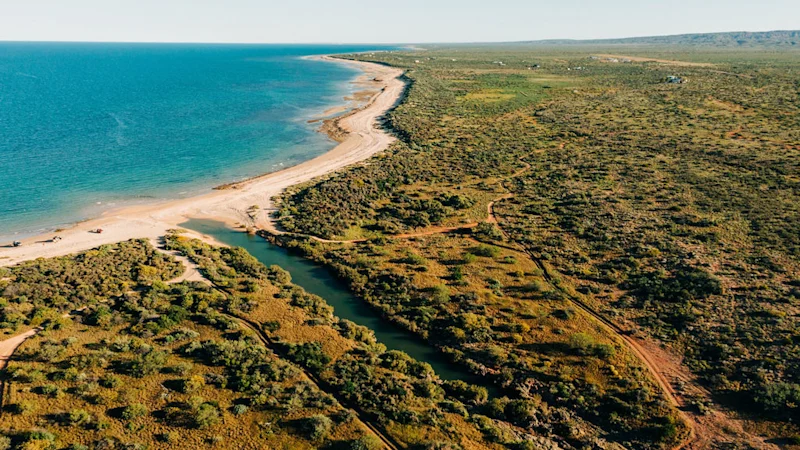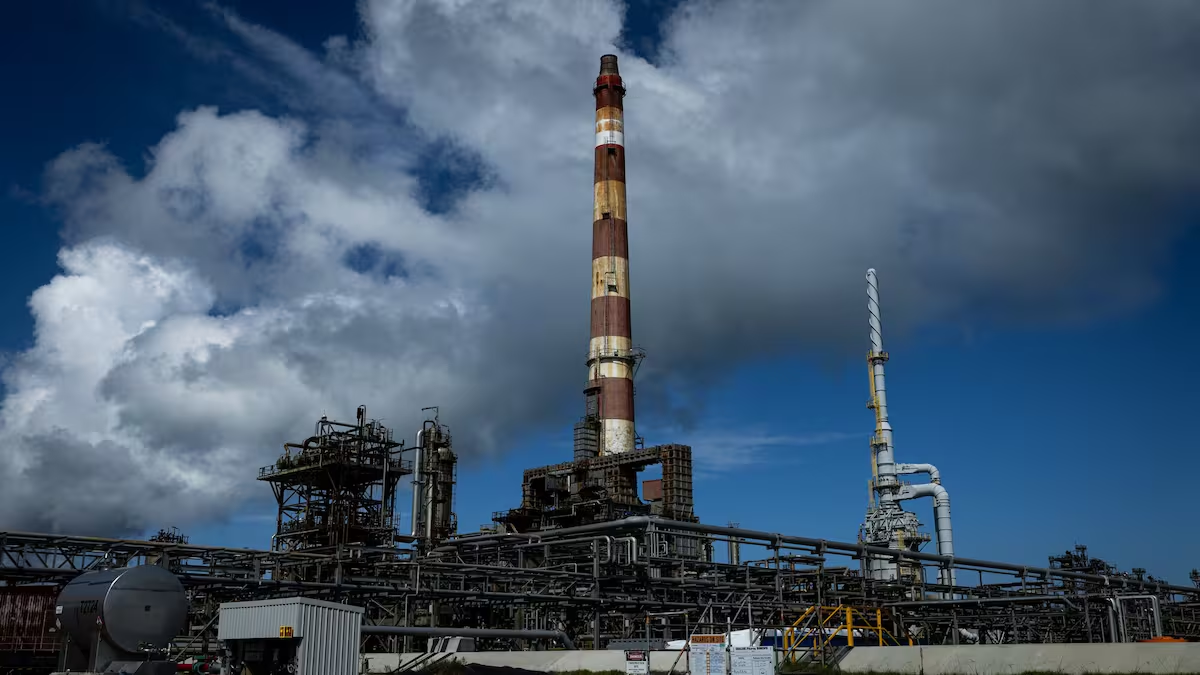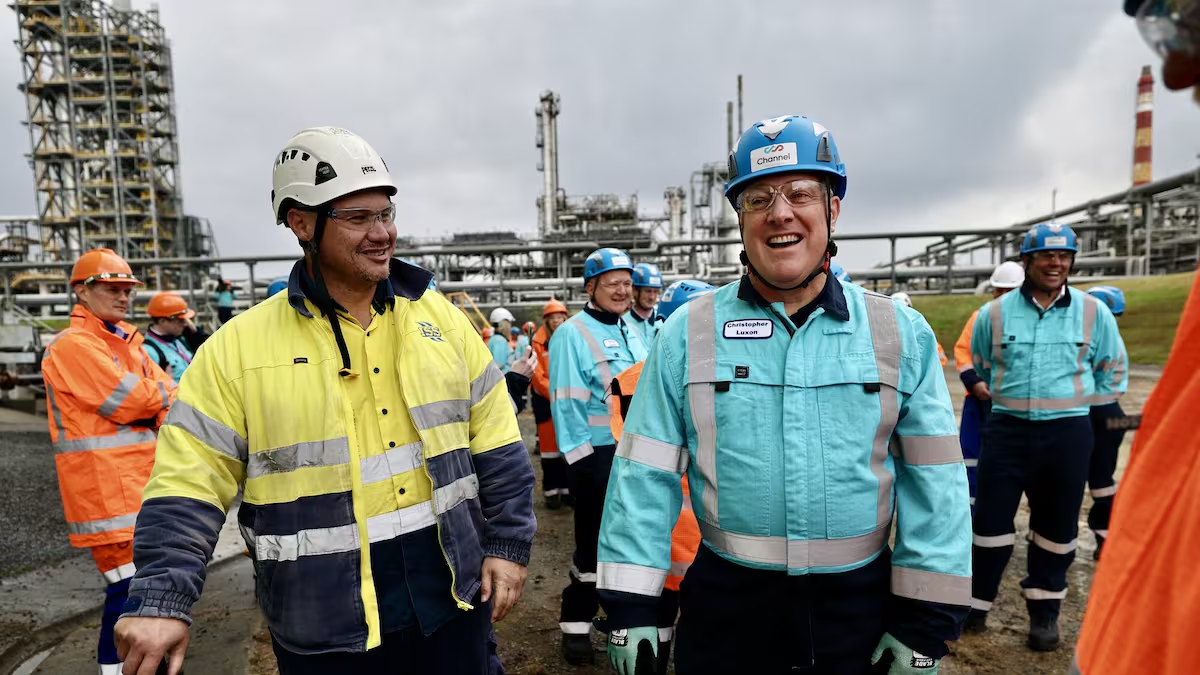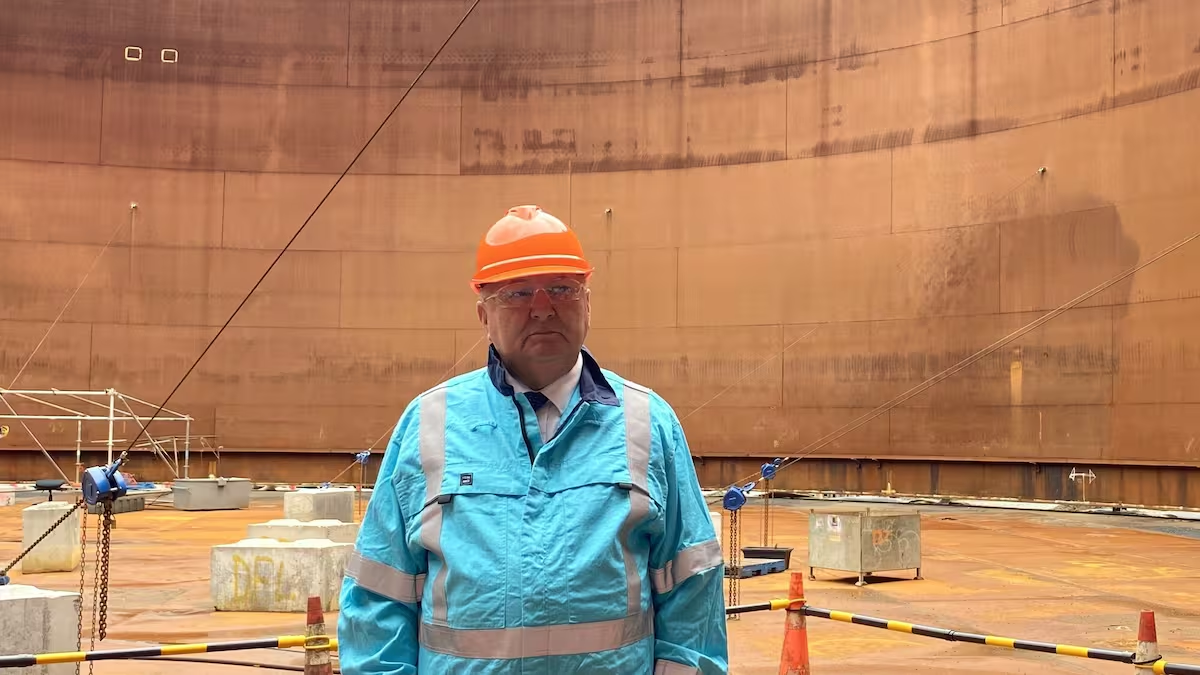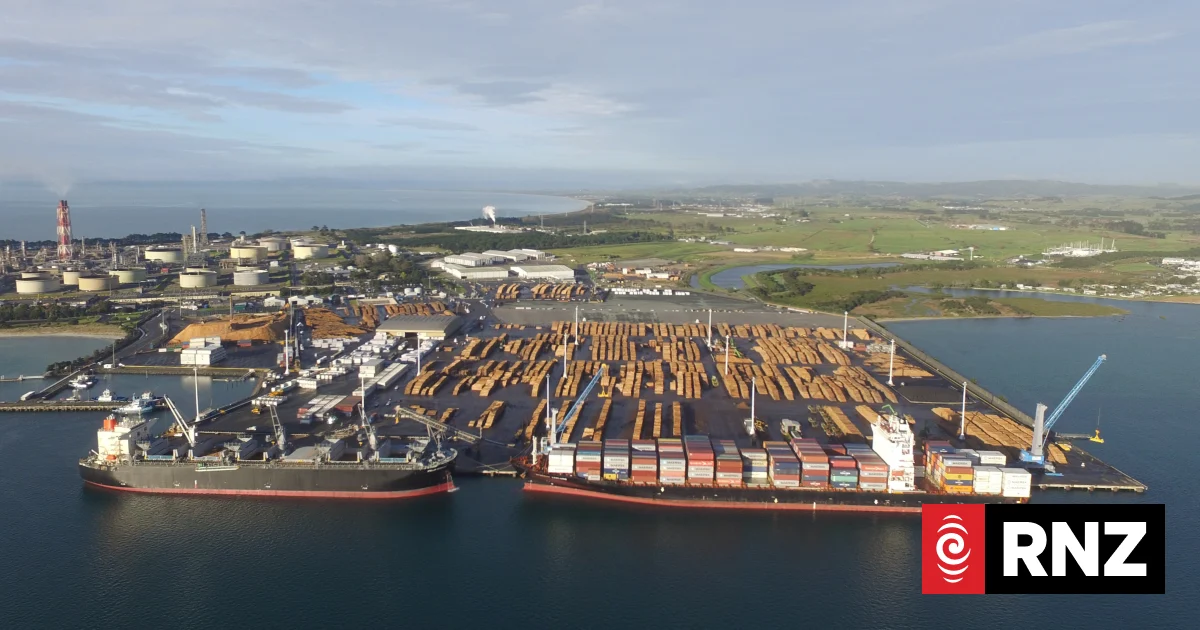
A proposed dry dock at Northland's Marsden Point would be a game changer for New Zealand's maritime industry, says the regional development minister, as it will allow large ships to be repaired and serviced at home instead of having to go overseas.A fast-track consent application for the shipyard and dry dock was lodged on Friday.Minister Shane Jones said the facility would be built just west of Northport in Whangārei Harbour.It would reduce reliance on overseas dry docks, save ship owners hefty transit costs, improve vessel availability, and reduce emissions.Large ships such as navy frigates or inter-island ferries currently had much of their maintenance done in Australia and Singapore.The project would need to be largely privately funded.Jones conceded funders were not yet lined up, but said potential investors had made it clear they would not put their hands in their pockets until all the consents had been obtained.For that reason, the government was funding the project through the consenting stages and had set aside $100 million-plus as a construction co-investment from the Regional Infrastructure Fund.Regional Development Minister Shane Jones.RNZ / Baz MacdonaldHe estimated the total cost would be $400-500m, which meant about $300m would have to be secured from the private sector."There is a need for us to service our fishing fleet, the ferries, our naval vessels, but unless we create the statutory consent and attract the private sector, blended with some prior public sector money, we're never going to build this facility," he said.Jones said he wanted the dry dock built at Northland's Marsden Point because it had a suitable deep-water harbour plus the facilities and expertise of neighbouring Northport.He said the dock would have to be "bog standard model that's fit for purpose" and not a "Taj Mahal or a Club Riviera model"."We are not an inordinately wealthy country, and unless the cost of the dry dock comes in at around $400 or $500 million, it's never going to be blessed by my good self."Jones said the public-private partnership plan had been floated with investors in Japan, Singapore and the US."But everyone has said, well, let's see whether or not the actual project can be legally consented first, because there is a view overseas that Kiwis often hawk ideas, but it takes forever and a day for the regulatory framework to consent things."Jones said securing the consents alone would likely cost several million dollars.But enabling more marine maintenance to be carried out in New Zealand would be a "win-win", because it would support the domestic economy and help deepen the country's skills and supplier base.A fast-tracked consent application has already been lodged to expand Northport, the deepwater port at the entrance to Whangārei Harbour.SuppliedPrevious modelling had indicated the project could boost the economy by $1.05 billion over 38 years.It was also estimated an average of 1700 jobs a year would be created during the three-year construction phase and 450 jobs during operation.Jones was optimistic the dry dock would be built - but said he was also a realist, because it would depend on the shape of the next government and Kiwis' many competing demands for infrastructure, such as roads and hospitals.Progressing work on the Northland Shipyard and Dry Dock was part of the National-NZ First coalition agreement.The project was listed in Schedule 2 of the Fast-Track Approval Act which meant it did not have to go through the initial phase of applying for fast-track consideration.Northport is separately applying for consent for an expanded container port through the fast-track process.
Marsden Point dry dock seeks fast-track consent, but funding uncertain
A proposed dry dock at Northland's Marsden Point would be a game changer for New Zealand's maritime industry, says the regional development minister, as it will allow large ships to be repaired and serviced at home instead of having to go overseas.
580 words~3 min read