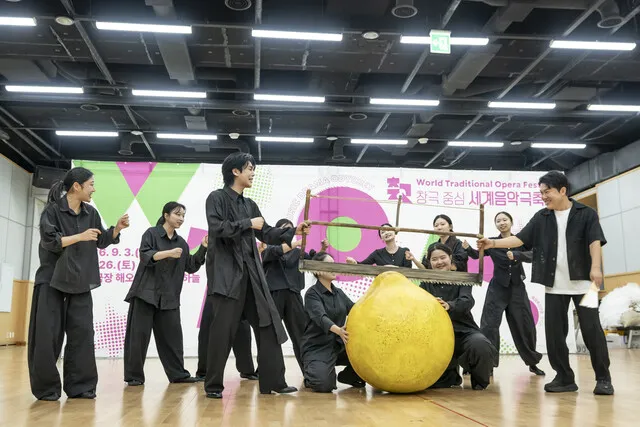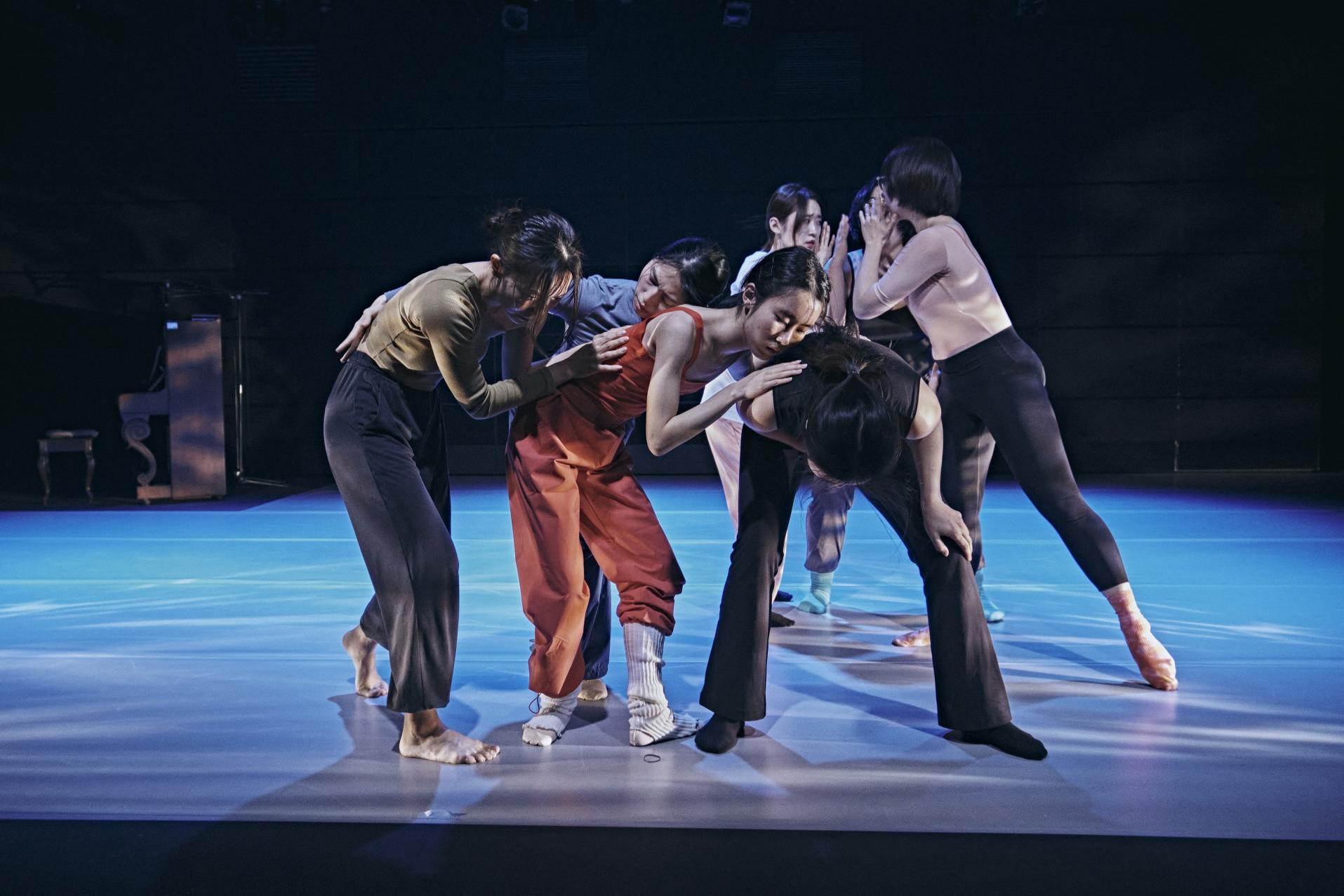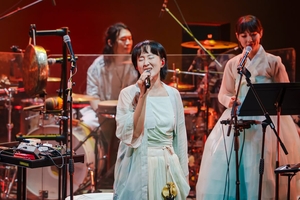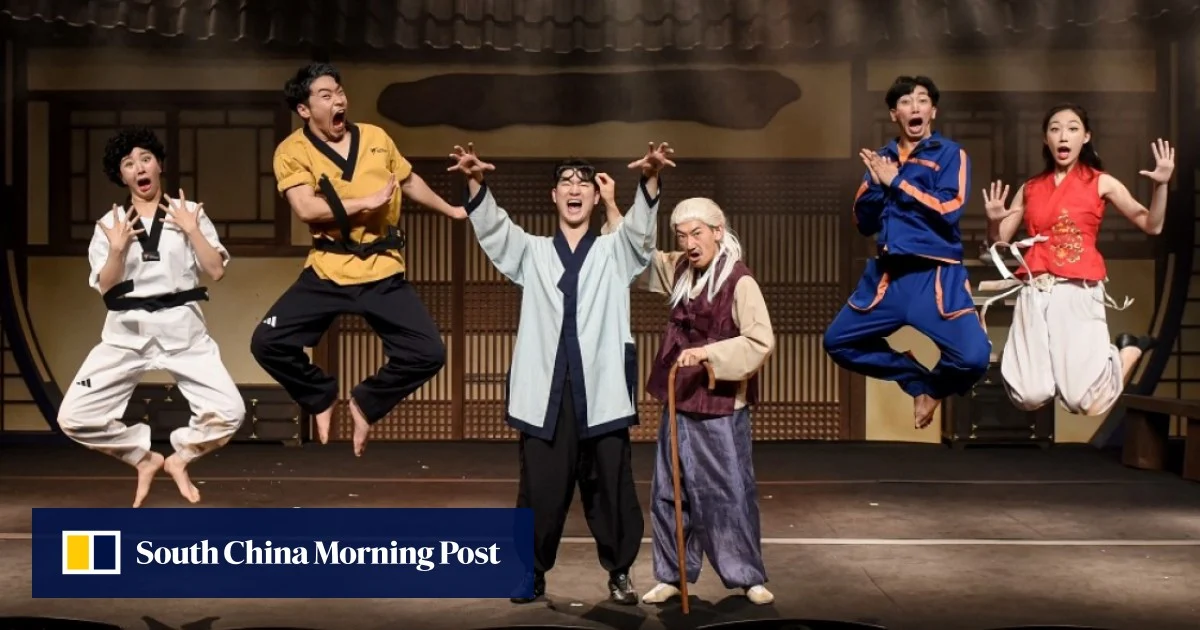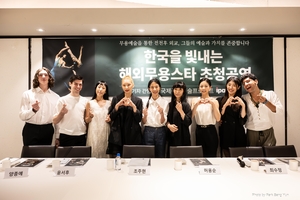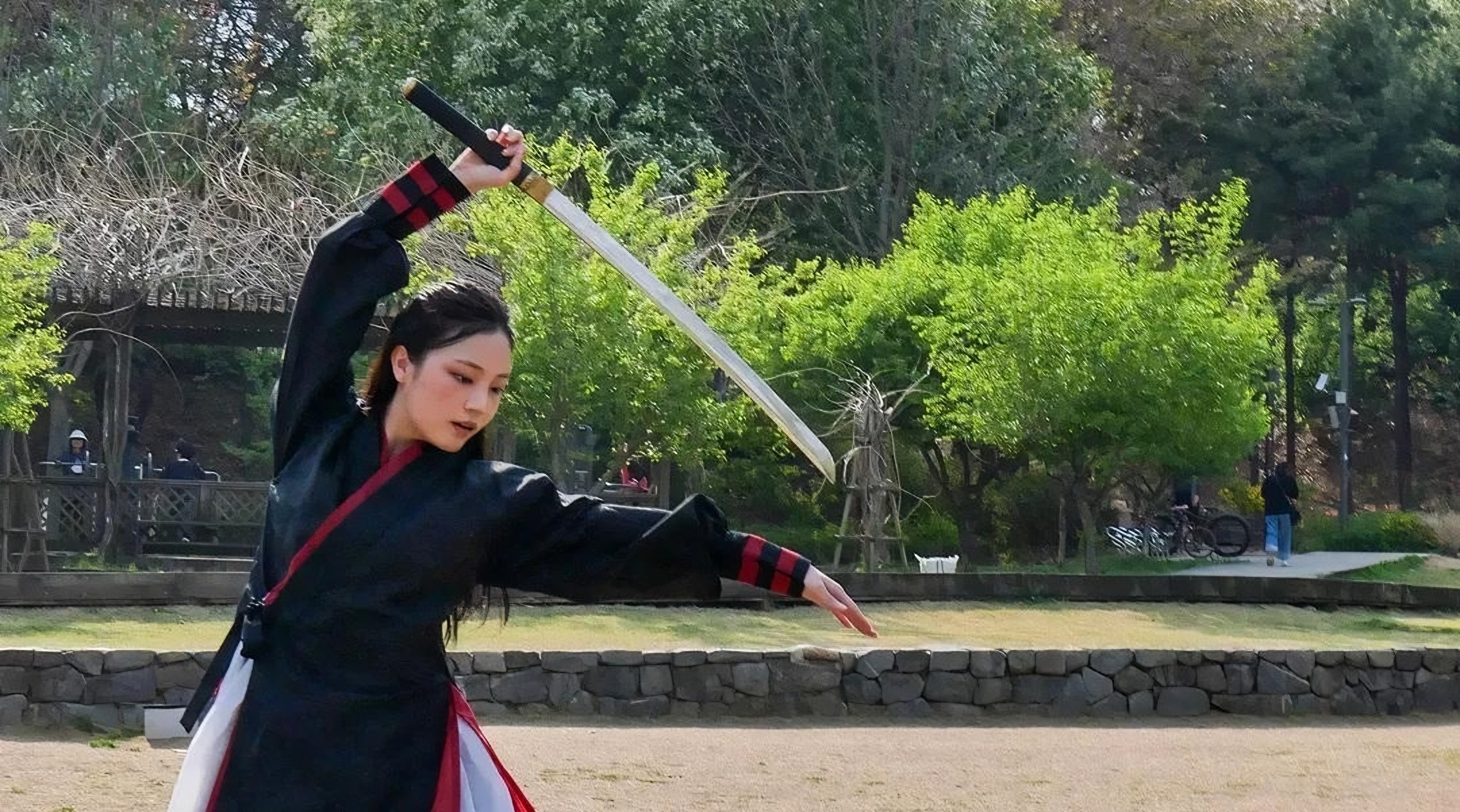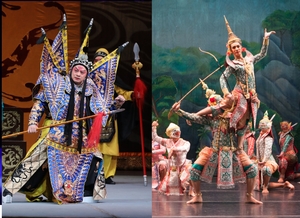
National Theater expands World Traditional Opera Festival with regional troupes, Thai and Chinese companies "Khon: The Ramakien" (left) and "The Revenge of Prince Zi Dan" (National Theater of Korea) The World Traditional Opera Festival returns for a second season on Sept. 3, bringing together six domestic productions and two international troupes for a 24-day run at the National Theater of Korea in Seoul.The festival, themed "Music Drama Odyssey," opens with the National Changgeuk Company's "Rabbit's Eight Sufferings" and its barrier-free music drama "Mr. Ong," and runs through Sept. 26.This year's lineup expands the festival's domestic reach, featuring original works from the Namwon-based National Gugak Center and the Gwangju Special Metropolitan City Changgeuk Company — the only two institutions in the country that produce changgeuk, often described as a Korean version of opera — alongside the National Changgeuk Company and two civilian troupes.Pansori Factory Badaksori's "Haenyeo Detective Hong Seol-rok" turns the anti-Japanese resistance movement led by Jeju haenyeo divers under colonial rule into a pansori-style detective story.Hyesung Company's jukebox musical "Million Loves" takes a different approach to the same century, using 42 original popular songs spanning modern Korean history to trace the everyday lives of ordinary people through the era's changes. "Haenyeo Detective Hong Seol-rok" (Pansori Factory Badak Sori) Two international productions round out the program: Thailand's Department of Cultural Promotion brings "Khon: The Ramakien," a masked dance-drama based on the Thai rendering of the Ramayana epic. Shanghai Jingju Theatre Company presents "The Revenge of Prince Zi Dan," a Peking opera adaptation of Shakespeare's "Hamlet."This year's festival brings back two singers who once anchored the National Changgeuk Company's marquee roster: Kim Jun-su and Nam Sang-il. Named festival ambassadors, the pair will share a stage together for the first time in "Changgeuk Concert — Heungbo, Opening the Gourd."Kim, who joined the National Changgeuk Company in 2013 and left earlier this year after 13 years, is widely credited with driving changgeuk's rise in popularity and its string of sold-out runs over the past decade.Recalling overseas tours, he said, "What foreign audiences respond to in changgeuk is the energy the singers create together. Even without understanding the language, they read the emotions straight off the singers' voices. I've heard again and again how overwhelming that wave of energy feels to them." Pansori singers Nam Sang-il (left) and Kim Jun-su participate in a press conference held at the National Theater of Korea on Wednesday. (National Theater of Korea) Nam recalled a 2016 performance at the Paris Autumn Festival where he and master singer Ahn Sook-sun performed a full three-and-a-half-hour rendition of "Sugungga" and received a 30-minute standing ovation."Foreign audiences take in our sound purely as art, without prejudice," he said, adding, "Just as the point of tuning is to reach purity, the essence of changgeuk is pansori. It only feels unfamiliar because people haven't truly experienced it. Once they do, they can't help but be drawn in."Yu Eun-seon, artistic director of the National Changgeuk Company and head of the festival's organizing committee, explained the intent behind the program, saying, "Whether it's changgeuk, China's Peking opera, or Thailand's khon, in the end they're all centered on stories of people's lives."She added, "Starting from our own language, this will be an occasion to engage in dialogue with music dramas from other parts of the world, expressing through song, gesture, dance and acting the fragments of thought and events that are difficult to convey in words alone."
South Korea's Changguk festival returns with local and international works
The World Traditional Opera Festival returns for a second season on Sept. 3, bringing together six domestic productions and two international troupes for a 24-d
570 words~3 min read