The Gap in the App Router Caching System
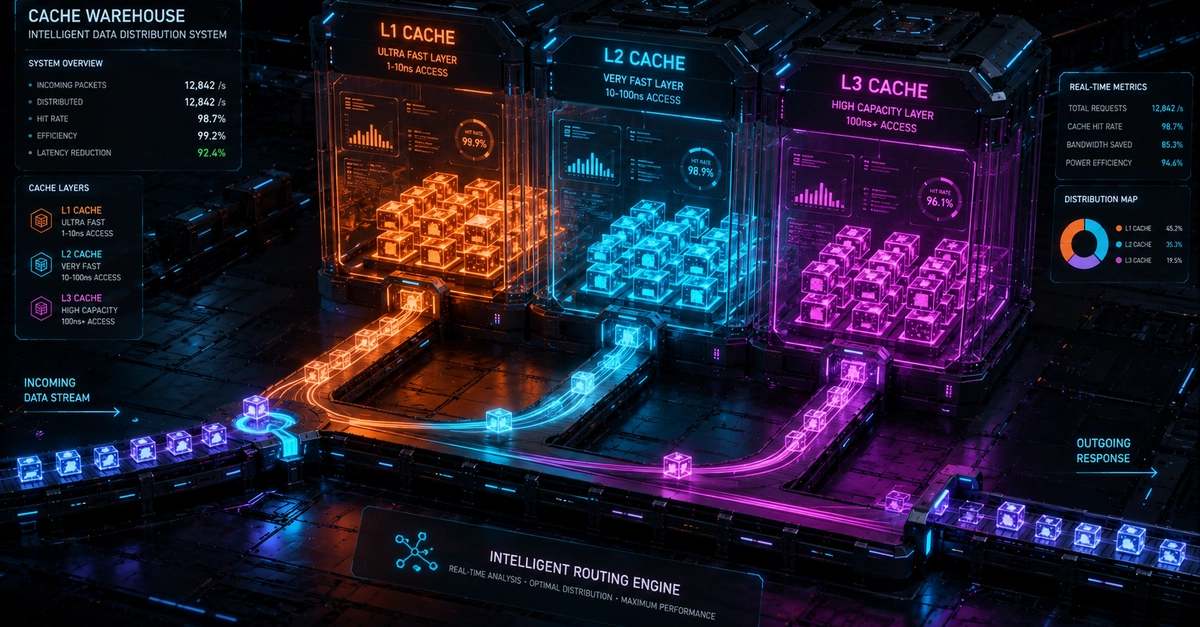
The Next.js App Router introduced a revolutionary, multi-tiered caching system. Between the Data Cache, the Full Route Cache, and the Client Router Cache, Next.js handles server-side rendering and static generation flawlessly. However, as enterprise applications scale into highly interactive, dashboard-heavy Single Page Applications (SPAs), developers quickly discover a glaring gap in the Next.js architecture: Client-Side State Synchronization.
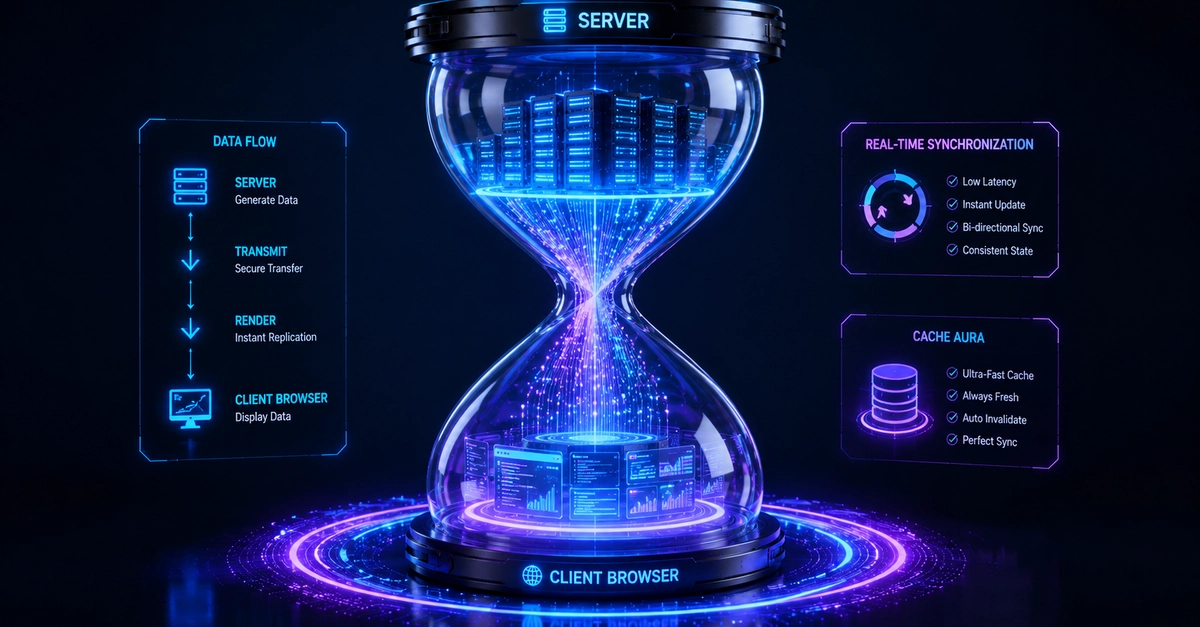
Imagine a complex project management board. User A opens the board in Tab 1 and Tab 2. In Tab 1, they rename a task. Next.js Server Actions can mutate the database and call revalidatePath(), which updates Tab 1. But Tab 2 remains completely stale. Furthermore, if the user loses network connection and regains it, Next.js has no native mechanism to aggressively refetch the data in the background to ensure the UI is fresh. For complex polling, background refetching, and sophisticated optimistic updates across deeply nested component trees, the native Next.js cache is simply not enough.
At Smart Tech Devs, we bridge this gap by architecting a hybrid data-fetching layer. We combine the raw backend power of Next.js Server Actions with the industry-leading client-side state synchronization of TanStack React Query.