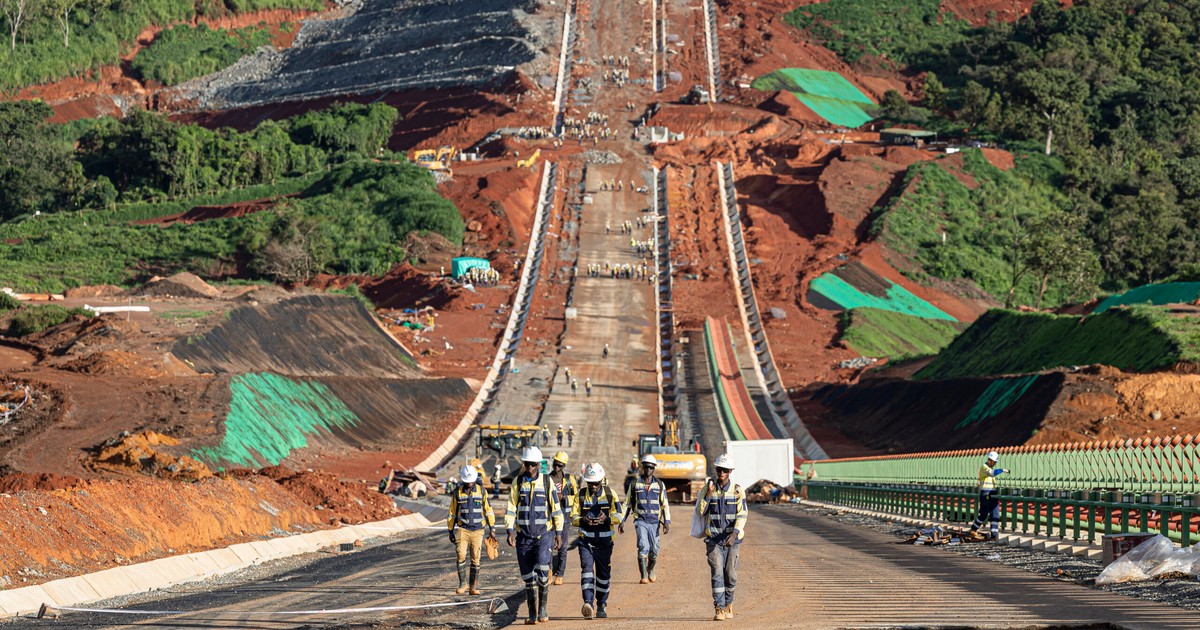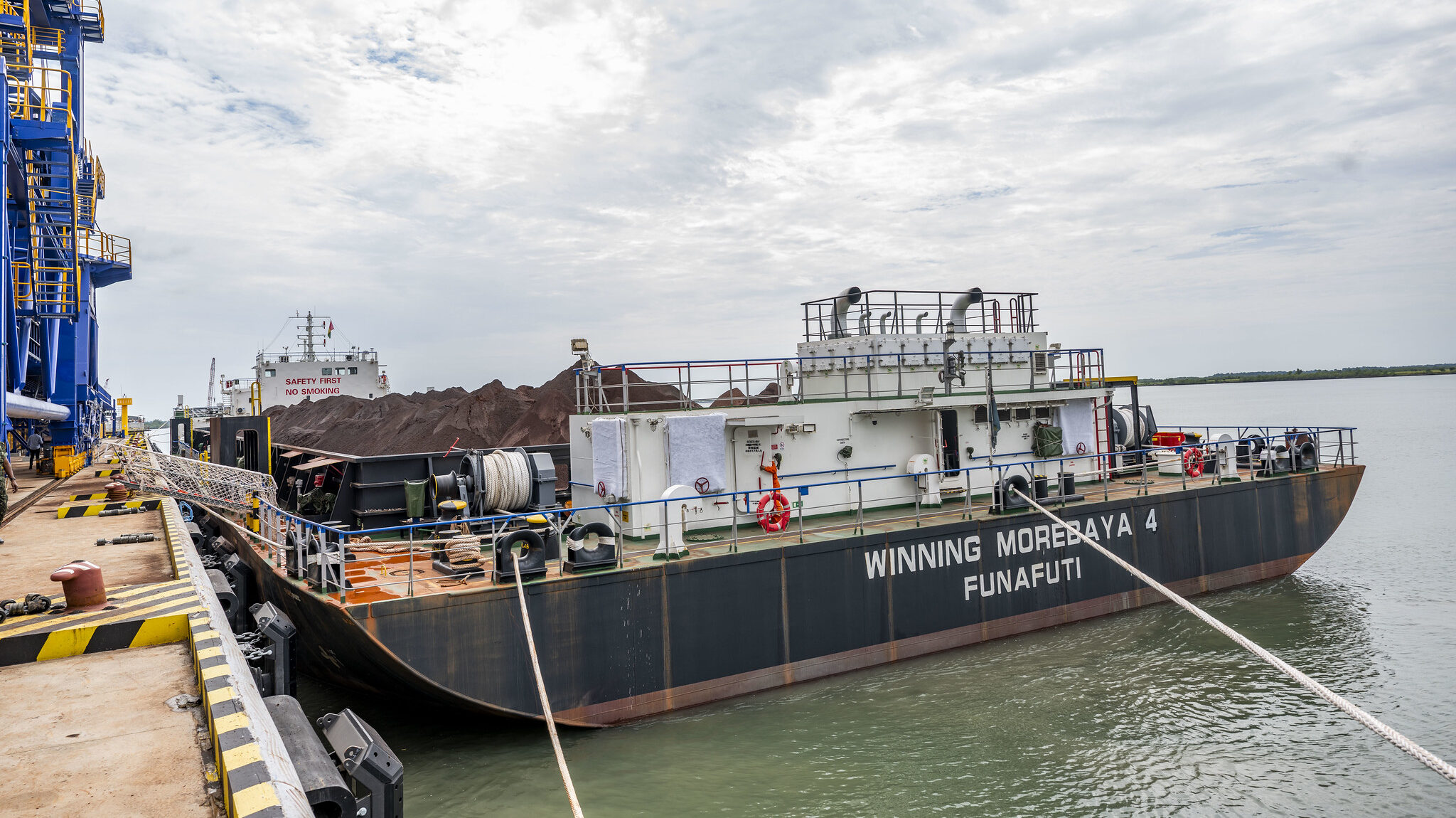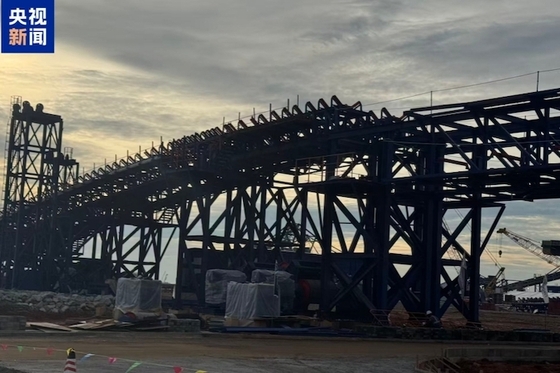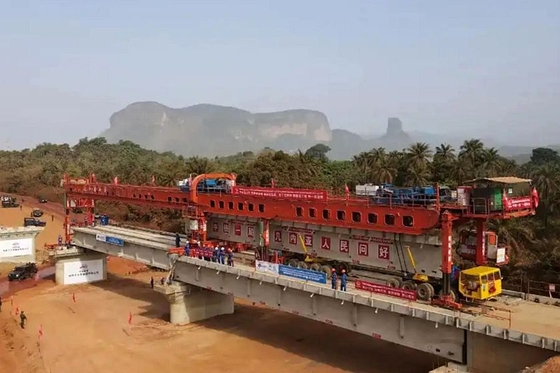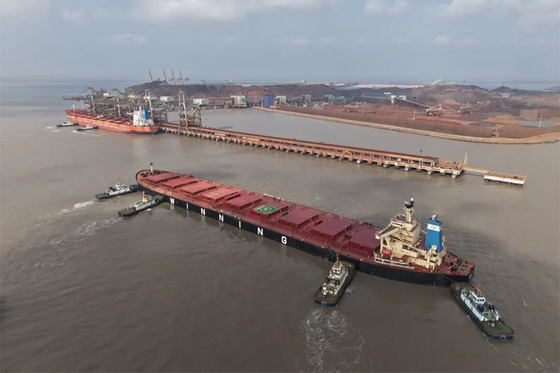
1. The Simandou iron ore project in Guinea faces significant challenges in meeting its ambitious target of reaching full production within 30 months, according to leading industry analyst Erik Hedborg. The main issues are infrastructure bottlenecks, particularly a lack of sufficient locomotives to transport ore from the mine to the port, limiting the project's ability to ramp up output as planned. Simandou is designed to have an annual capacity of 120 million tons, and it dispatched its first 200,000-ton shipment of high-grade ore to China in January 2024; however, substantial delays have already occurred, indicating slow progress beyond this initial milestone. [para. 1][para. 2]2. Simandou is recognized as the world’s largest untapped reserve of high-grade iron ore and, if successfully developed, is expected to transform Guinea into a significant exporter alongside Australia and Brazil. However, this ambition is being hindered by severe infrastructure deficits, especially in terms of rail transport. As of November, only four locomotives, manufactured by the U.S.-based Westinghouse Air Brake Technologies Corp, had arrived, allowing only limited train operation. Each train requires two locomotives, which drastically restricts transportation capacity. Additional locomotives from China’s CRRC Corp. were delivered for the project’s northern block, but the Guinean government has blocked their use in an effort to diversify its suppliers and lessen reliance on China. [para. 3][para. 4][para. 5]3. Infrastructure, especially rail logistics, is stressed as the critical bottleneck for achieving the targeted production ramp-up. Hedborg points out that for iron ore, unlike commodities such as copper or gold, transportation constitutes about half of total costs, making infrastructure absolutely central to competitiveness. If locomotives are unavailable during the project’s ramp-up, bottlenecks will persist and disrupt the pathway to full production. [para. 6][para. 7]4. The slow ramp-up at Simandou is consistent with global industry patterns, as large iron ore projects typically take at least five to six years to reach full output, as seen in major producing countries like Australia and Brazil. Even Vale’s S11D mine in Brazil, which began production in 2016, has not yet hit full capacity. CRU consultants estimate Simandou’s exports will reach only about 15 million tons in 2026, far below its designed capacity. [para. 8]5. Simandou’s vast potential has been known for years, but progress has been impeded by persistent infrastructure gaps and Guinea’s geopolitical instability, including a military coup in 2021. These risks have discouraged investment and resulted in repeated delays. Beyond equipment shortages, the country’s shallow-water ports necessitate complex transshipment processes, further impacting efficiency. Special transshipment vessels are required for offshore loading and transferring to larger ships, many of which are still pending delivery. [para. 9][para. 10]6. Despite these impediments, Hedborg remains optimistic about Simandou’s long-term impact on the global iron ore market. CRU forecasts that Guinea could ultimately supply about 7–8% of the global market, surpassing South Africa and Canada to rank just behind Australia and Brazil. [para. 11][para. 12]7. When fully operational, Simandou should prove competitive, with an estimated break-even price of $60 per ton, compared to the projected 2025 international price of $102 per ton. The mine’s extraction costs are low, but its logistics and delivery costs, primarily shipping ore to China, drive higher expenses. This influx of supply could pressure high-cost producers, especially smaller operators in Africa and China, while major firms like Rio Tinto, BHP, and Vale, with lower production costs, will feel less impact. [para. 13][para. 14][para. 15]8. On the demand side, CRU expects China’s steel consumption to decline slightly in 2026 due to continued weakness in its property sector, while steel demand in the rest of the world is projected to see a modest recovery in the second half of 2026. [para. 16]AI generated, for reference only
Simandou Faces Uphill Battle Reaching Its Full Production Target, Analyst Says
Port, rail and other infrastructure bottlenecks are holding back Guinea’s flagship iron ore mine from ramping up to full output within 30 months, CRU’s Erik Hedborg says
610 words~3 min read