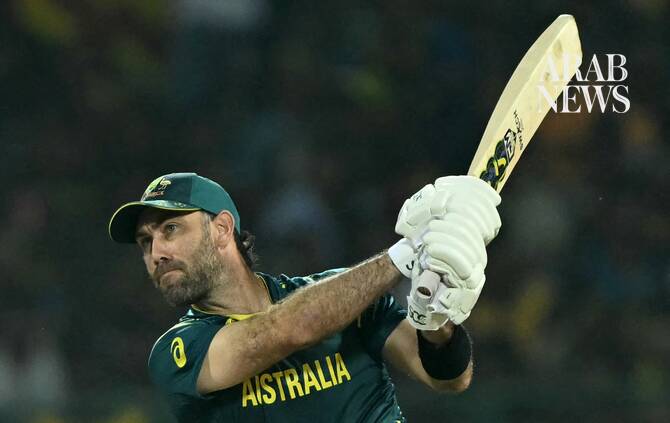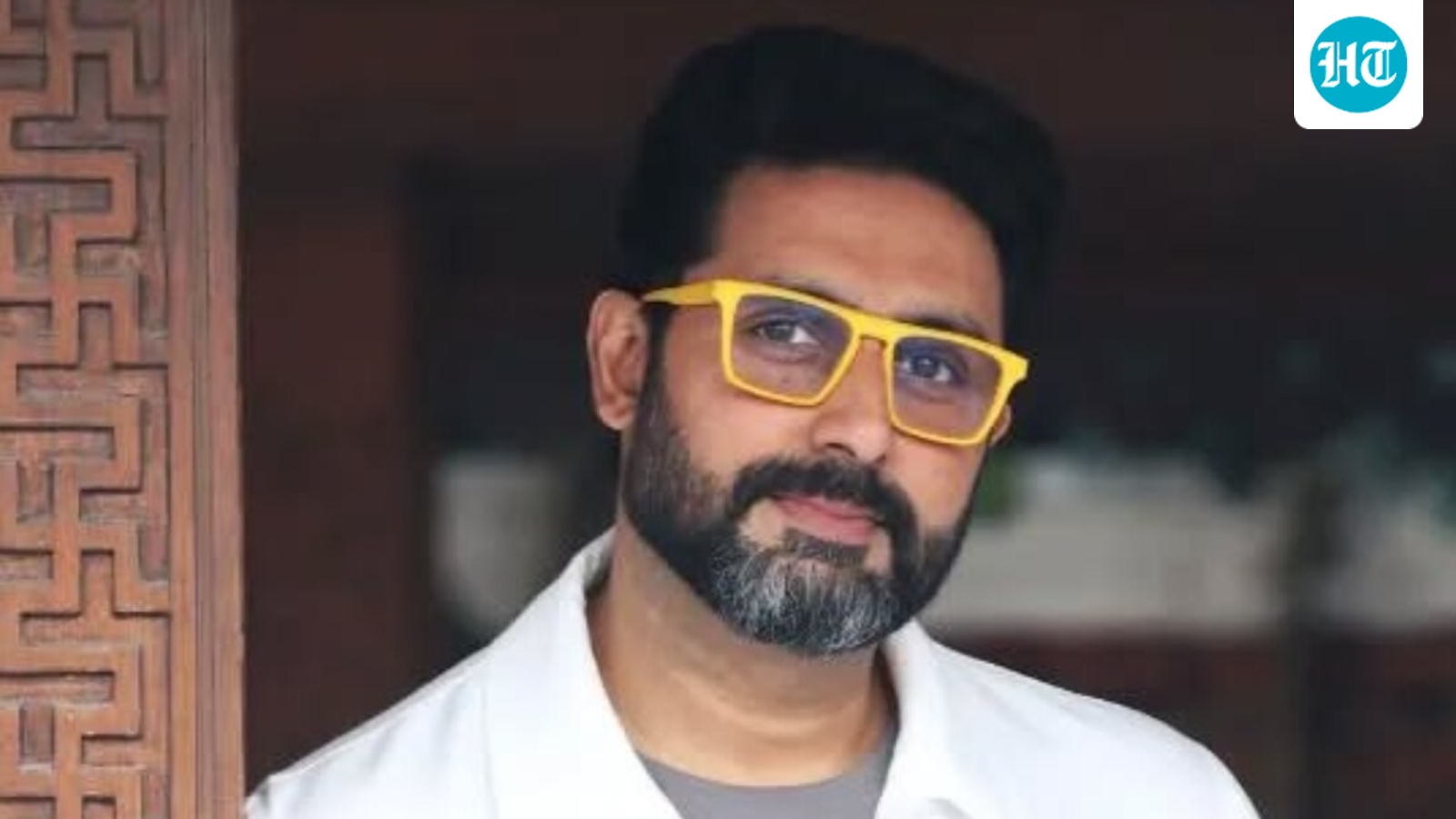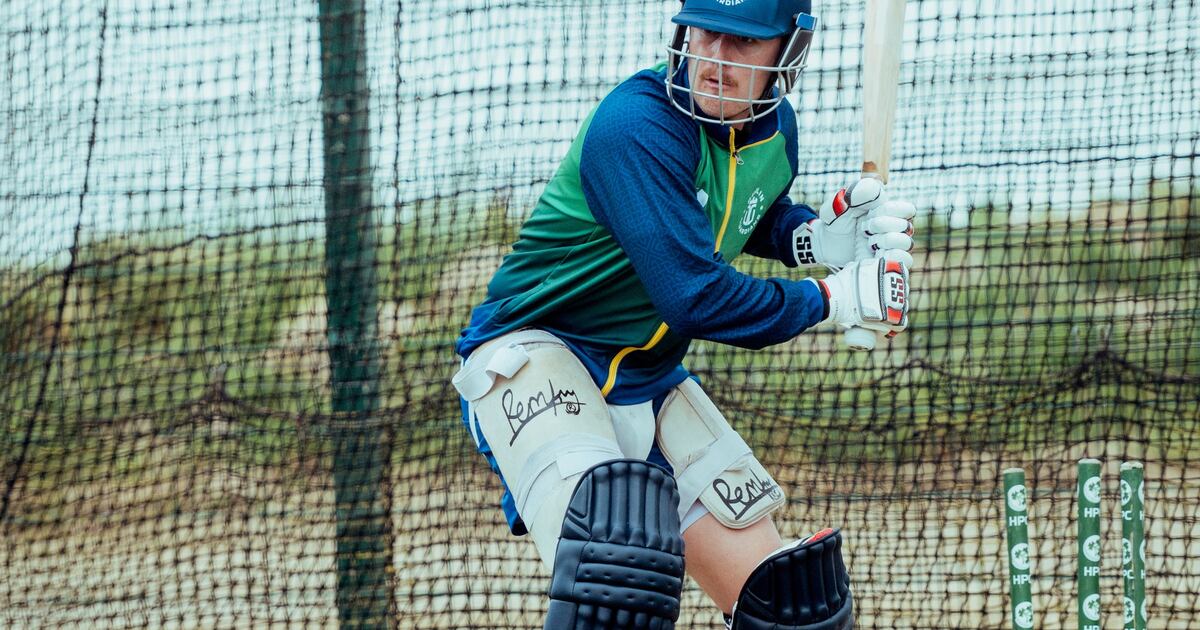
A Dublin-based professional sports franchise has valued itself at $30 million (€25.7 million) after raising close to $10 million in equity. But it’s not in soccer or rugby, Ireland’s two most popular professional team sports. Instead, it’s cricket, a game played by fewer than 20,000 people across the island. Even if the numbers are inflated, it’s a significant level of foreign investment that has been injected into Irish sport. The global rise of franchise, city-based cricket tournaments – inspired by the Indian Premier League – has made its way to Ireland. The inaugural season of European T20 Premier League (ETPL) is to commence next week. Two Irish teams, the Dublin Guardians and Belfast Wolves, have been formed to compete against sides in Edinburgh, Glasgow, Rotterdam and Amsterdam. In year one, those involved acknowledge that the league will be something of a money pit. Administration delays have led to a dash to get everything over the line in advance of next week’s first match. Regardless, investors are bullish that they can help develop European cricket while eventually turning a profit. Plenty involved in the sport in these parts, acknowledging its niche status, don’t share their optimism. Cricket Ireland, the sport’s governing body on these shores, has looked to create a city-based competition since 2019. It first tried with the Euro Slam but year one saw the concept postponed due to lack of investment. Then the pandemic hit. There was a parting of ways between Cricket Ireland and the partner it used to form the league. A subsequent High Court case was taken, with Cricket Ireland as the defendant. In July, the court struck out the plaintiff’s claim.Such was the toxicity of the original brand, the league name was changed to the ETPL when new partners came on board: an Indian-based group headlined by Bollywood actor Abhishek Bachchan. Only they had their own false start when forced to postpone last year. This time, with sufficient investment secured for five of the six franchises – proposed owners of Edinburgh’s Castle Rockers pulled out due to a lack of revenue guarantee, with the league stepping in as owners – the first ball will be bowled on August 26th in The Hague. The competition then moves to Malahide on September 9th until its conclusion. Team owners pay the league $1.5 million each year as a franchise fee. They then spend a similar amount on player salaries. Compared to franchises in other countries, it is an inexpensive investment. Regardless, given the low cricketing interest outside of England, questions remain on how European cricket will delivera return to investors. “There are two billion people in Europe and cricket is going to take off with how accessible the game is,” says Vipul Agrawal, chairman of the Glasgow Cosmic. “If you convert even 5 per cent of the population, you’re looking at an insane number. The kind of spend per consumer in Europe is much better than the Asian countries. A similar population, watching in India, if that’s watching in Europe then that’s double the value. The potential is immense.”Ajit Ravindran, chief executive of the Dublin Guardians, notes cricket’s inclusion in the 2028 Olympics. “That is an opportunity to create commercial value,” he says.“It’s also not necessarily about P&L [profit and loss], it’s about the overall value. If we bring a tangible value on the ground, such as investing in Dublin’s talent pathway, that will increase the value of the franchise in the books.” Finding out who exactly is stumping up the cash for year one isn’t easy. Plenty of famous cricketing faces are involved, including Australia’s Glenn Maxwell as a player-owner in Belfast, while former Indian batter Rahul Dravid leads the Dublin consortium. Some big names have stumped up cash, while others have been gifted sweat equity. Australian cricketer Glenn Maxwell, player-owner at Belfast Wolves. Photograph: Robert Cianflone/Getty Depending on the franchise, some investors have gone public, such as the Indian software solutions company Winfo, which has an office in Dublin. Other backers have chosen to remain anonymous.Neil Maxwell, an investor and CEO of Belfast Wolves, estimates it will take his group of mainly Australian backers three to five years to see a return on investment. Other owners are more bullish, with Glasgow’s Agrawal citing the £300 million-plus valuations of teams in The Hundred, England’s equivalent franchise competition, as a target. India's head coach Rahul Dravid is part of the Dublin consortium. Photograph: Sajjad Hussain/AFP/Getty Owning 20 per cent of the league, Cricket Ireland stands to earn some revenue if any is generated. In terms of other benefits for Irish cricket, both the Belfast and Dublin teams are making the right noises on helping the sport grow. While partnering with the Northern Cricket Union, the body responsible for grassroots cricket in the city, Belfast Wolves recently hosted a launch which included matches for children from local clubs. The Dublin Guardians have linked with Cricket Leinster. They have also hired members of local clubs to serve as team managers, net bowlers and even “slingers”, specialists who train batters with equipment reminiscent of the implement used by dog owners to play fetch. Private equity is helpful when it aligns with the interests of the sport, but as this league gets older, potentially looking to expand, some harbour concerns that it might impinge on the interests of the national teams. Cricket Ireland’s annual revenue of about €18 million doesn’t go far enough in organising fixtures for its national teams, be it at senior or youth level. The governing body remains in debt. It is in no position to say no to high-level matches paid for by someone else. “In order for the game to develop, it clearly needs private investment,” says Belfast’s Neil Maxwell. “The onus cannot be on individual countries to grow the game if they’re not getting the money. The competition will have its teething problems, but if you get the right league owners and team owners, the right leadership, it will grow.”Said teething problems have been extensive. One franchise only signed its agreement with the league last week. Approval from the International Cricket Council, the global governing body, only arrived in recent days. After sounding out Clontarf Cricket Club as a venue and investing in its facilities, the league decided to use only Malahide in Dublin, offering Clontarf a good-faith payment of €7,500. Malahide cricket ground in north Dublin will be used for matches in the new T20 league next month. Photograph: Seb Daly/Sportsfile For year one, there will be minimal revenue – if any. Some teams have no sponsors and those that do acknowledge that they have not had sufficient time to leverage proper value. The league is paying towards production costs for broadcasters, as opposed to securing a lucrative rights deal (advertising revenue will be shared). Some teams did not have time to organise merchandise to sell. All of which leaves those involved happy that a ball will be bowled next Wednesday. “That’s a huge achievement,” says Maxwell. “To start a league in six-eight months, deliver six teams and have it operational, bringing in 24 to 30 high profile world class cricketers, that’s a big ask.”“Because it was a last-minute execution, the books are not going to be the same as what we thought it could be,” acknowledges Agrawal. “But the moment the first ball has been bowled, there’s no stopping it.”For now, proof of concept is enough to keep those involved happy. The longer term prospects, ones that will determine if the ETPL creates an Irish cricketing industry that complements, rather than subsumes the national teams, will initially be what intrigues Irish cricket types. League organisers hope that by investing in infrastructure, they can win over a local audience, creating a product where the cricket itself ultimately takes over as the driver of interest. Time will tell.
Irish cricket pads up for launch of T20 league with franchises worth millions
Franchises in Belfast and Dublin will compete in the inaugural European T20 league, with high profile players from India and Australia among the team owners
1,302 words~6 min read