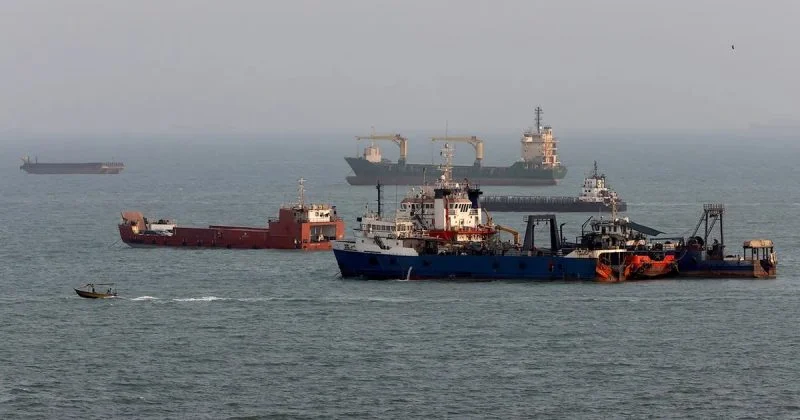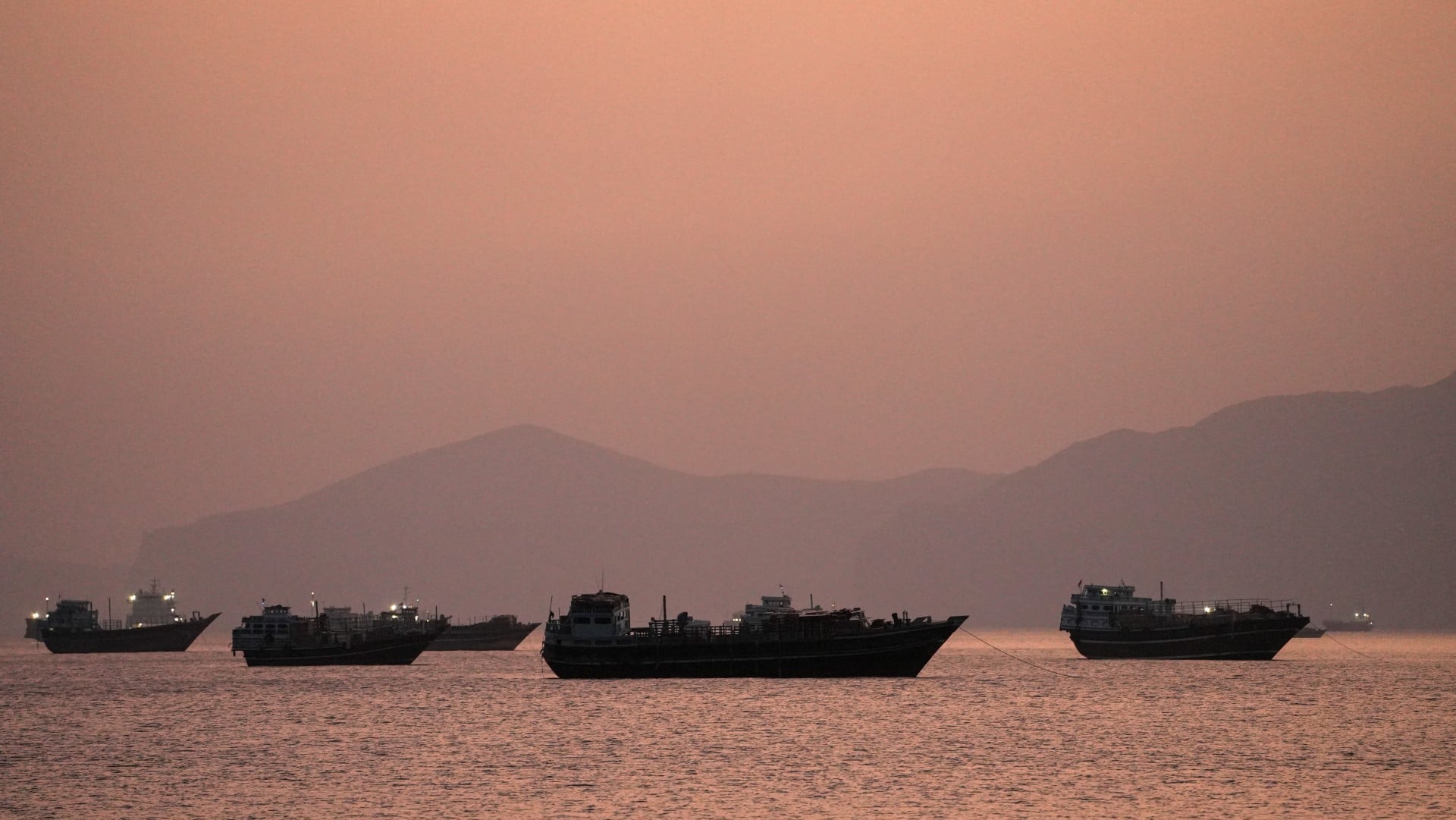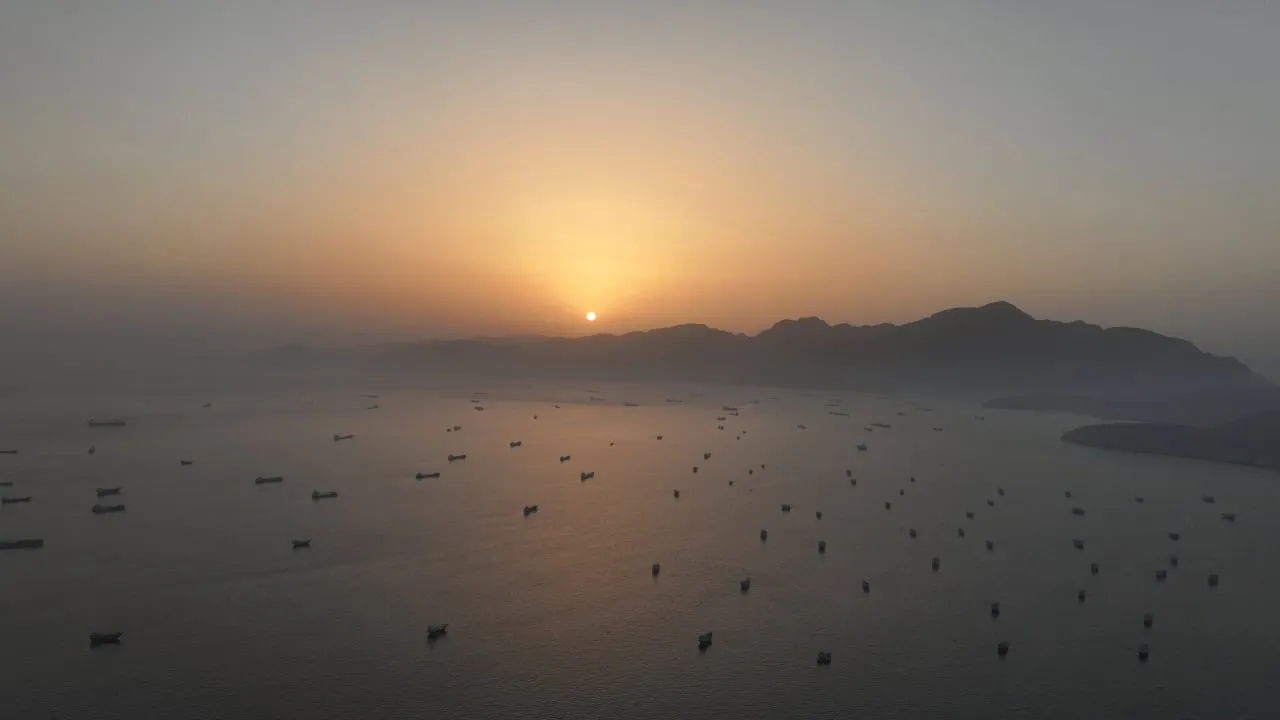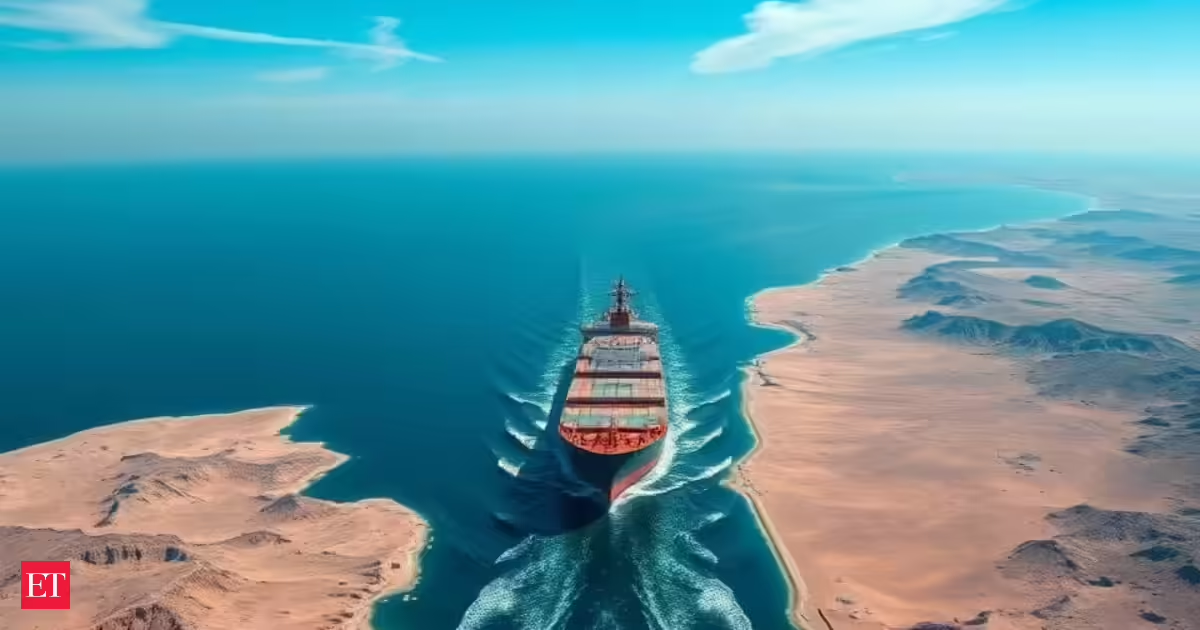
This past May and June, while the Strait of Hormuz crisis was at its peak and a fifth of the world’s traded oil was looking for a way around the blockage, researchers from Kapa Research were interviewing the businesses that move the cargo. We spoke with 314 shipowners and C-suite executives from the world’s leading shipping groups and asked them how they see the years ahead. The responses reveal a level of confidence that exceeded expectations. An overwhelming 94 percent express optimism about their company’s prospects, and 70 percent believe global shipping is in better shape today than it was five years ago.
The Global Shipping Outlook 2026 is Kapa Research’s quantitative study of the industry’s leadership, with respondents across every major shipping region, from Europe’s main maritime centers to the United States and Asia. Because fieldwork ran at the height of the crisis, the survey is a rare real-time record of how shipping leaders think under pressure.
Geopolitical crises in Ukraine, the Red Sea and the Middle East are named the most serious problems for shipping today by 76 percent of respondents, the top concern in every region we surveyed. Yet when we asked what the Hormuz crisis means for their own company, 40 percent said it creates new opportunities and only 23 percent see significant obstacles. Nearly half of the industry’s leadership regards turmoil as good for business. The logic is pragmatic. Conflict pushes ships onto longer routes, longer routes absorb vessel supply and freight rates rise while demand for goods persists. Shipping moves against the cycle. When instability rises, so do revenues.