On October 9, 2021, the Lebanese government did not warn its citizens of the country’s impending shutdown; it simply allowed it to happen overnight.
The country’s two largest power stations ran out of fuel, and by midday, the national electricity grid had completely failed. Hospitals, bakeries, and businesses were forced to rely on private generators—if they could afford to run them.
Power was restored a day later, after the military supplied emergency fuel. But the failure that seemingly switched off an entire country in an instant had been decades in the making.
It was the product of a public system that had become a playground for sectarian appointments, political interests, dubious contracts, and a complete absence of accountability. The lights went out in an instant, but the state had been rotting from within for years.
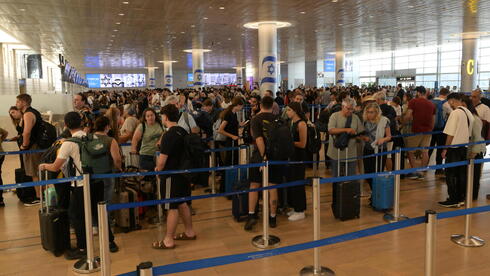
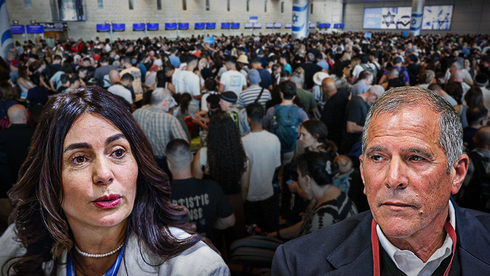
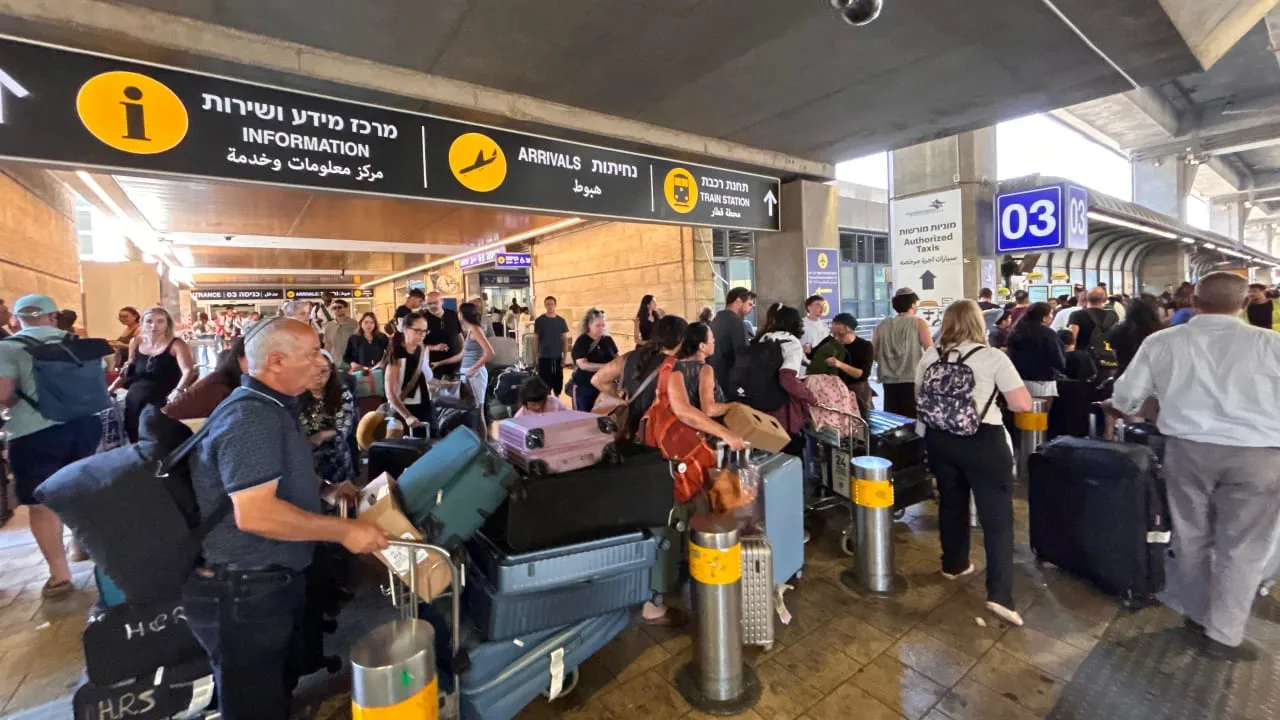
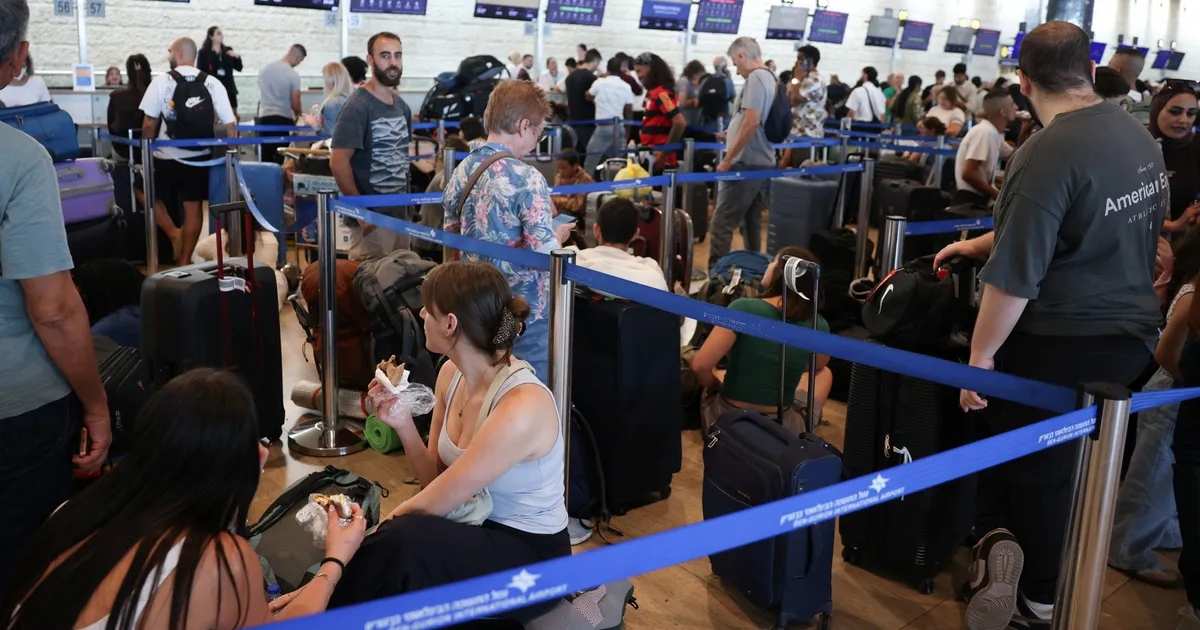
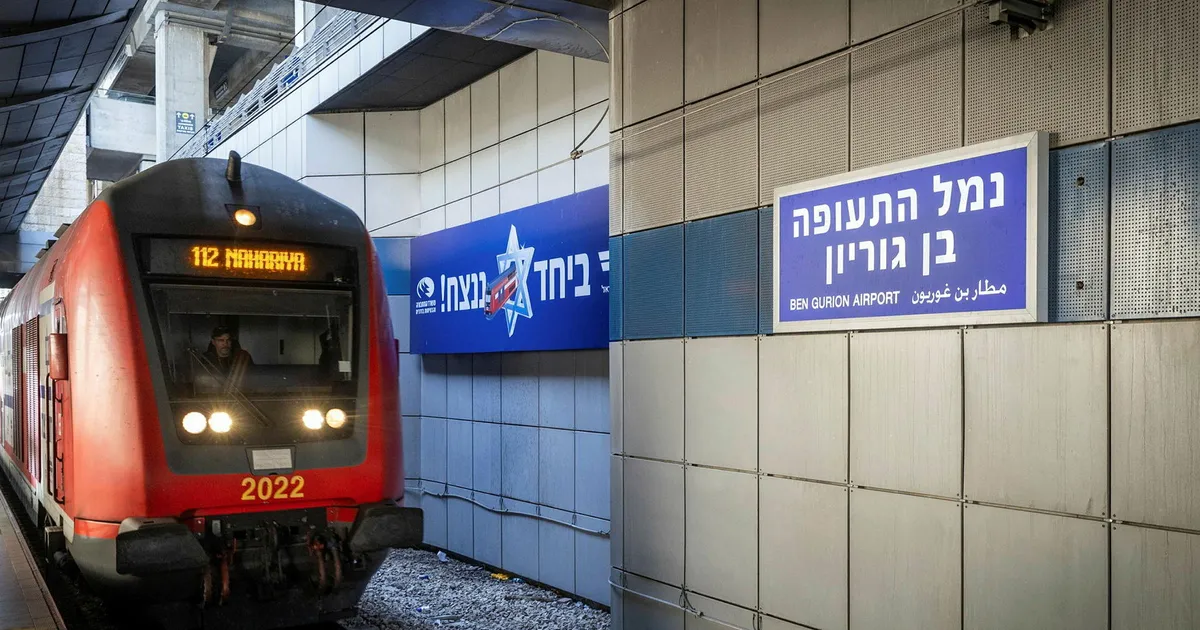
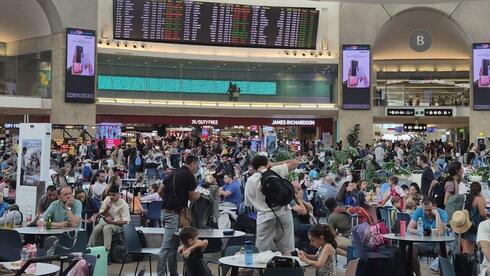
Israel is certainly not Lebanon, and Ben Gurion Airport is not the Lebanese power grid. But the severe disruptions and baggage delays recorded last week at Israel’s main gateway stemmed from the exact same principle: a seemingly sudden breakdown that laid bare a protracted, deeply rotten process that extends across public service.