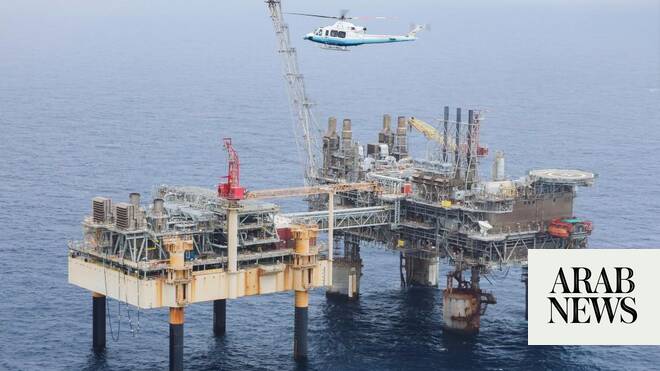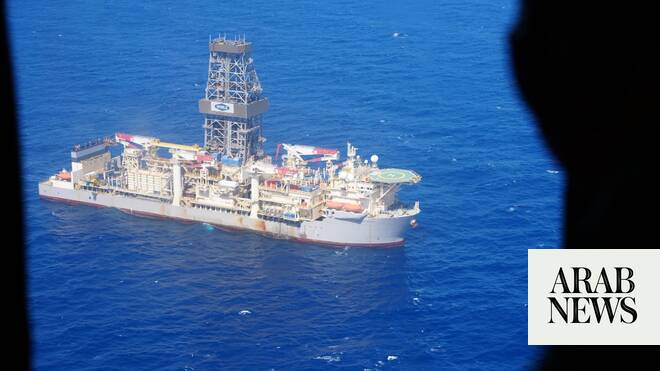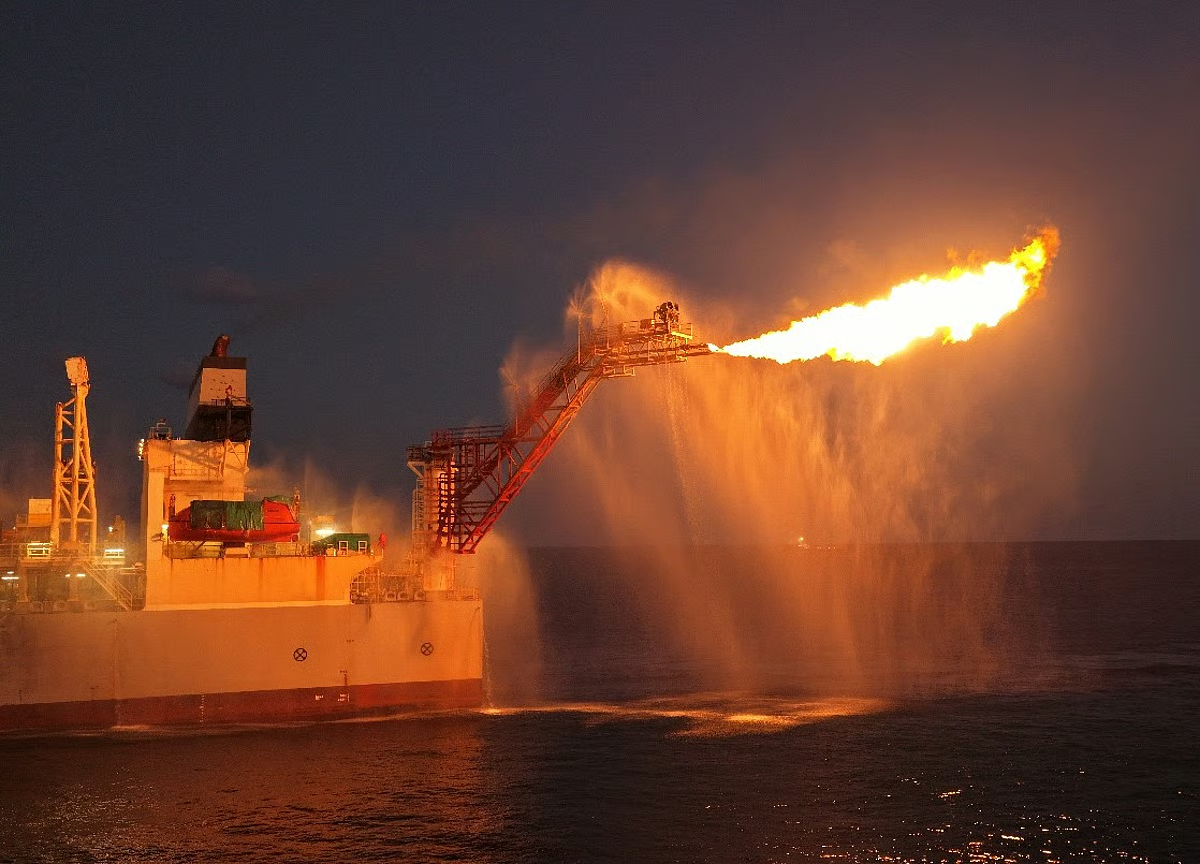
EXPLAINERPhase 4 discoveries offer breathing room as Philippines reshapes its power mixLast updated: August 24, 2026 | 07:075 MIN READA presidential fly-by on the existing Malampaya oil and gas platform. New wells are being drilled under Service Contract 38 (SC 38). Manila: The Philippines is entering a potentially important new phase in its search for energy security.This comes after major natural gas reserves were confirmed near the long-producing Malampaya field off Palawan island group west of Manila.Philippine President Ferdinand Marcos Jr has describing the reserves as a "national treasure."The discoveries, part of the Malampaya Phase 4 project, could extend the life of the country's main domestic natural gas source, reduce its exposure to imported fuel.More importantly, they give Manila greater flexibility as global energy markets become increasingly volatile, according to the presidential palace.Two wells — Malampaya East 1 (ME1) and Camago 3 — have produced significant results, with combined estimated reserves of about 222 billion cubic feet of natural gas.The new resources are particularly important because production from Malampaya's original fields has been declining, forcing the Philippines to rely increasingly on imported liquefied natural gas.Get it: Fast, verified news for FREE ... download the Gulf News app — simply click hereTo put the discoveries in perspective, the existing Malampaya gas well has supplied fuel to power plants serving Luzon for more than two decades. As its original reserves declined, concerns grew that the country would become increasingly dependent on imported energy.The renewed exploration campaign under Service Contract 38 changed that trajectory.Malampaya East 1 (ME1) was announced by the presidential palace in January 2026 as the country's first significant natural gas discovery in more than a decade.Prime Energy, operator of Service Contract No. 38 (SC 38) has announced that it is on track to deliver first gas from the Malampaya Phase 4 (MP4) development by the fourth quarter of 2026. Initial estimates put the Malampaya East-1 reservoir at about 98 billion cubic feet (bcf) of gas in place. The Camago-3 well flowed at rates of up to 60 million standard cubic feet of gas per day (mmscf/d), a substantial addition to Malampaya’s remaining gas resources, as per the Department of Energy.Initial estimates put the reservoir at about 98 billion cubic feet of gas in place, while testing indicated strong production potential.The subsequent success of Kamago 3 significantly increased the potential value of the project. Philippine authorities now estimate the two discoveries at roughly 222 billion cubic feet, enough, according to government estimates, to extend Malampaya's productive life to around 2034. The government has also estimated that the additional resources could support more than 31 billion kilowatt-hours of electricity.Strategic valueThat extension could prove strategically valuable.Rather than facing an abrupt decline in its principal domestic gas source, the Philippines gains additional time to expand renewable energy, strengthen its electricity grid, explore other domestic resources and determine how much imported gas it will need in the future.The discovery also has an economic dimension.Imported energy exposes the Philippines to international fuel prices, shipping costs, currency movements and disruptions along global supply routes. A hedge against global energy shocksGovernment figures cited in the source indicate that imported energy accounted for about 52% of the country's total primary energy supply in 2025. Natural gas has followed a similar pattern, with imports supplying roughly 55% of the country's gas while Malampaya provided about 45%.More domestic gas could therefore reduce the country's exposure to some external shocks.Would it help solve the high electricity rates in the Philippine?
How new Philippine gas discoveries boost energy security — first gas to flow before end-2026: report
Phase 4 discoveries offer breathing room as Philippines reshapes its power mix
1,218 words~6 min read