Get the latest news and updates from Dawn
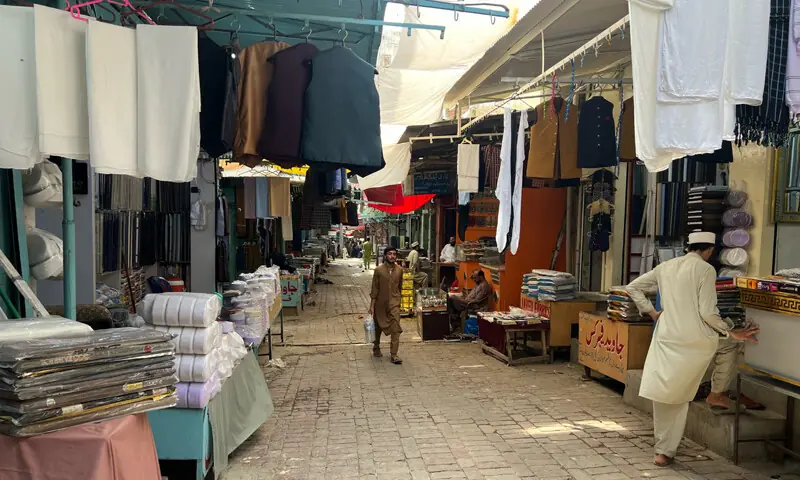
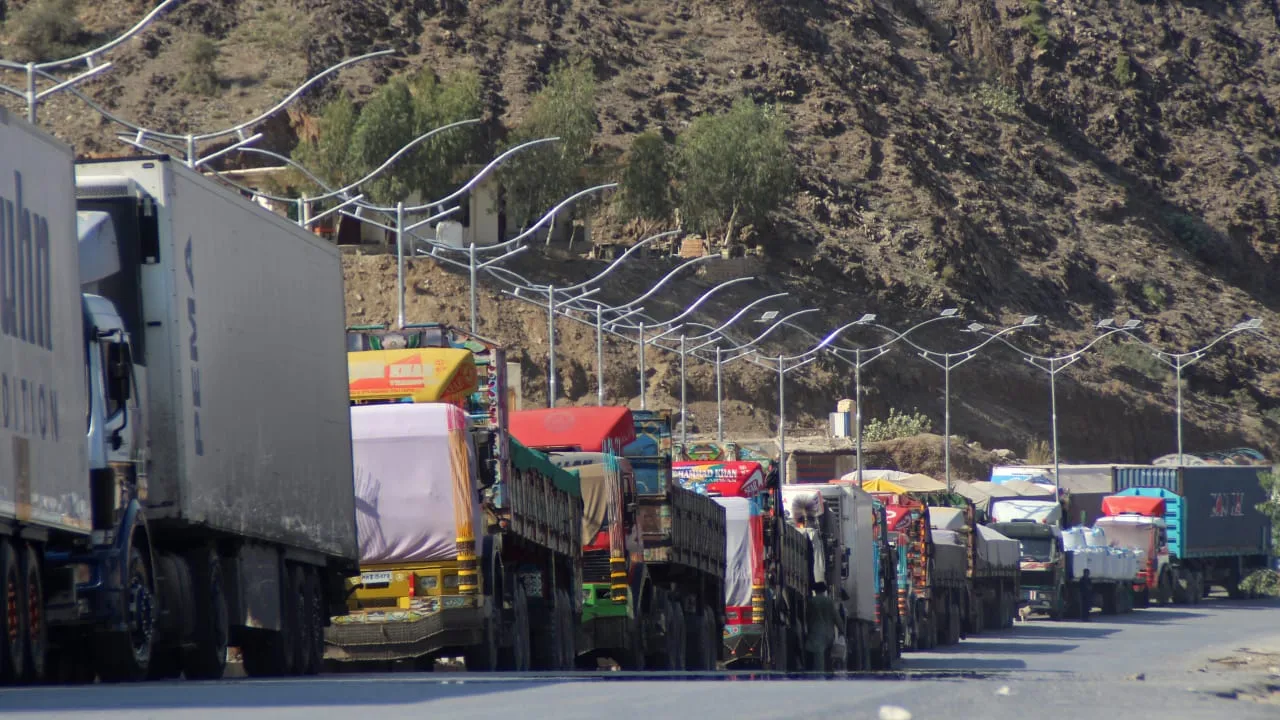
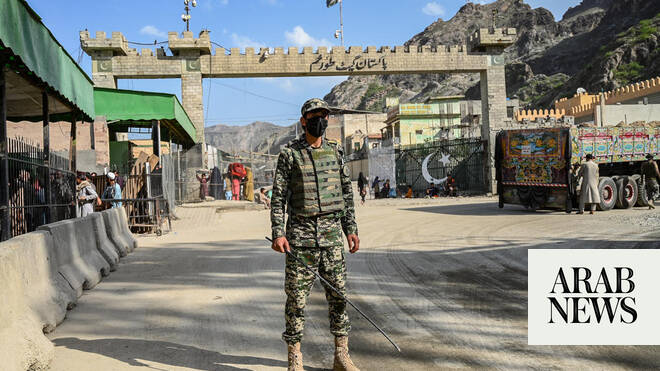
For a border post most of the world has never heard of, Torkham carries an outsized weight this year. It is a narrow gap in the Kyber hills where trucks queue for days, drivers sleep beside their cargo, and diplomats in Beijing and Islamabad see it as one of the indicators of whether their newest infrastructure ambitions will rise or fall.
In May 2025, foreign ministers from China, Pakistan and Afghanistan sat together in Beijing and agreed to formally fold Afghanistan into the China-Pakistan Economic Corridor (CPEC). Four months later, the 14th Joint Cooperation Committee (JCC) meeting confirmed the shift with a full Action Plan through 2029 — CPEC 2.0, built around industrial zones, the ML-1 rail upgrade, and a westward road extension running from Torkham to Kabul and from Chaman to Spin Boldak. On paper, it was the corridor’s most significant expansion since the original plan was signed a decade earlier.
Then, within weeks, the ground gave way. In October 2025, clashes between Pakistani and Afghan forces — triggered by a wave of militant attacks traced back across the border — shut Torkham down almost entirely. By February 2026, the closure had run past three months, bilateral trade had collapsed by roughly a third to a half depending on how it is measured, and thousands of containers sat stranded at the peak of the crisis. It was the fifth major shutdown of the crossing since 2023.