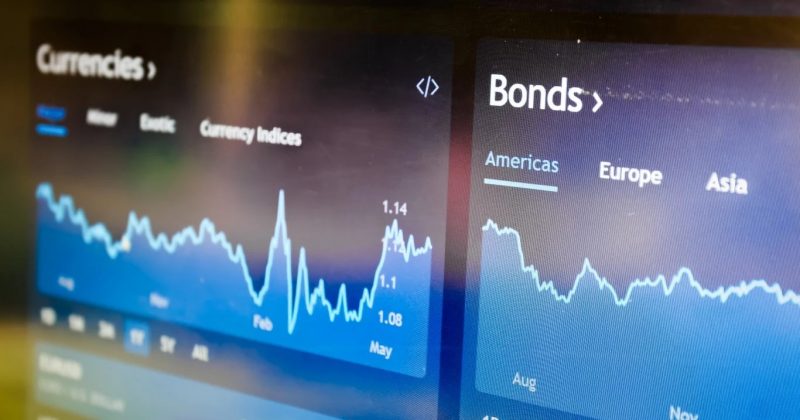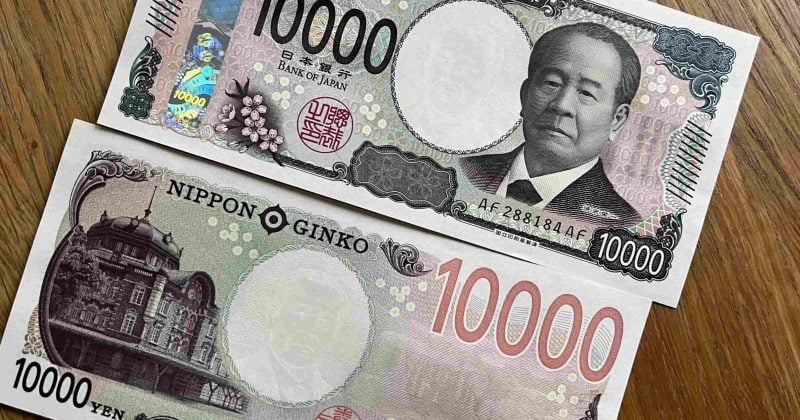
Cathy Hepworth, who heads $1.5 trillion asset manager PGIM's emerging-markets debt team, doesn't hesitate when asked about her highest-conviction theme across the developing world: "Carry, carry, carry."She's referring to a popular but often risky trade in which investors borrow cheaply in currencies like the US dollar, Japanese yen, or euro, and put the money to work in higher-yielding currencies like the Turkish lira, where interest payments on bonds or money-market funds can be as much as 40% or higher.Carry trades funded by the US dollar are on their longest winning run since 2008, yielding positive returns for a seventh successive quarter."It's a carry world," said Hepworth, who joined PGIM in 1989 and helped establish its emerging-markets debt management effort in 1995. "There's a ton of money looking for yield."Read more: West Bengal plans incentives to spur industrial investmentsThe emerging-market carry trade has returned about 22% since the end of 2024, according to a Bloomberg gauge of eight major EM currencies, handily beating all other major classes of global bond trades. Investing in US Treasuries has earned just 5.9% over the same period, while dollar bonds from developing world governments returned 14% and EM corporate debt 10%. Returns have been amplified by a dollar that's weakening against major emerging-market currencies outside Asia and cheapening versus low-rate peers like the euro and Swiss franc also used to fund carry trades. That makes for a heady mix in Colombia, which offers a 12% bond return with 45% spot appreciation. Even in Turkey, where the lira has lost 26% against the dollar, yields above 32% on 10-year local bonds have kept investors in profit.
'It's a Carry World': EM trade notches longest run since 2008
The carry trade landscape in emerging markets is shining brightly, leading to remarkable returns for investors. This approach, which entails borrowing in low-interest currencies and investing in higher-yielding emerging markets, thrives as the US dollar softens against numerous emerging market currencies. Colombia stands out with appealing bond returns and substantial currency gains, while Turkeys elevated local bond yields continue to beneficially impact investor outcomes even amidst currency depreciation.
270 words~1 min read