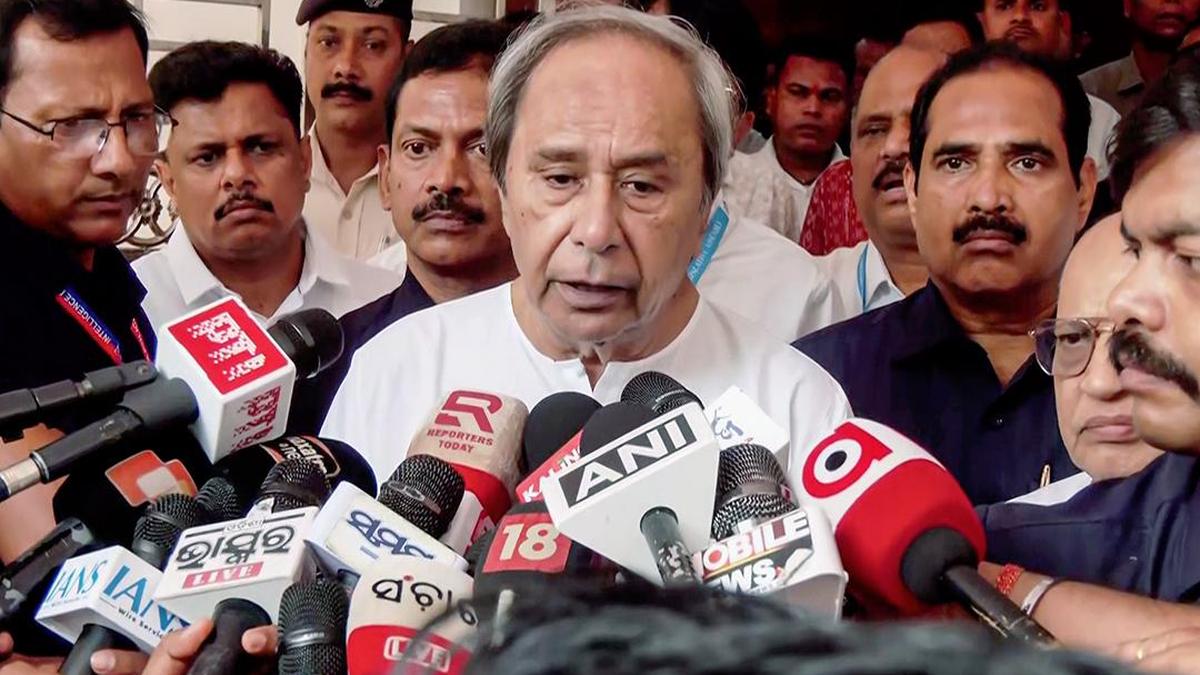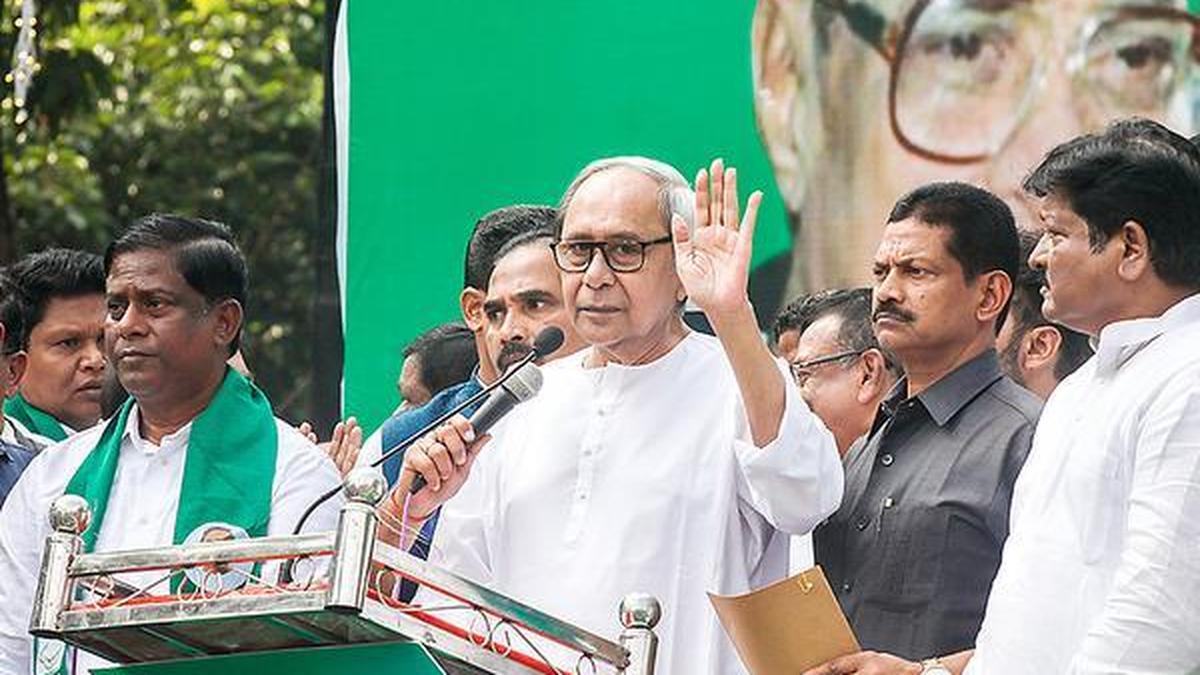
In the second week of August, former Chief Minister Naveen Patnaik wrote to Chief Minister Mohan Charan Majhi, urging him to convene a special session of the Odisha Legislative Assembly. There was no natural disaster or extraordinary occasion to warrant such a demand. Yet, for the political fraternity, particularly the Opposition parties, the largest being Patnaik’s Biju Janata Dal (BJD), the issue was serious enough to be described as a potential financial disaster for Odisha. The immediate trigger was the Mines and Minerals (Development and Regulation) Amendment Bill, 2026, which was passed by both Houses of Parliament on August 13. It became an Act after it got the assent of President Droupadi Murmu. According to the Ministry of Mines’ 2024-25 annual report, mineral production (excluding Atomic, Fuel and Minor Minerals) was estimated in 20 States, of which about 97.70% of the total value was confined to eight States. Odisha accounted for the largest share, at 43.49%, followed by Rajasthan (16.26%), Chhattisgarh (13.69%), Karnataka (12.42%), Maharashtra (4.76%), Jharkhand (3.26%), Madhya Pradesh (2.78%) and Andhra Pradesh (1.04%). Remaining states contributed 2.30%.
A man showing red mud in a pond in Sukinda valley, alleging that sludge from nearby mines flows into it. All the chromite mines in the area are concentrated along a 20-km stretch.