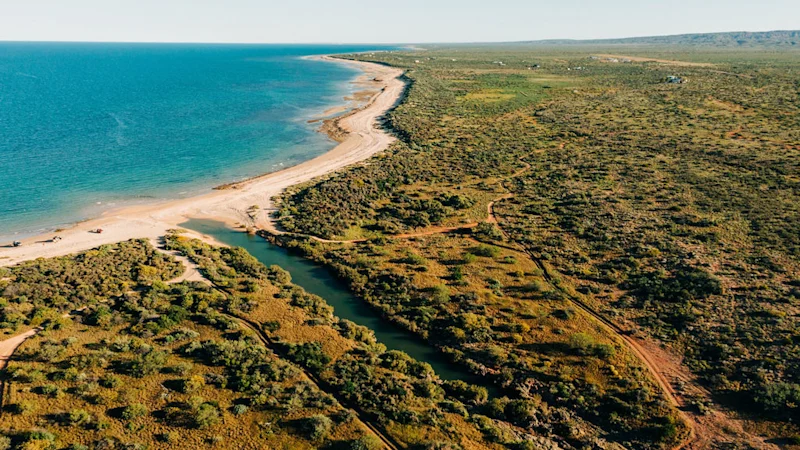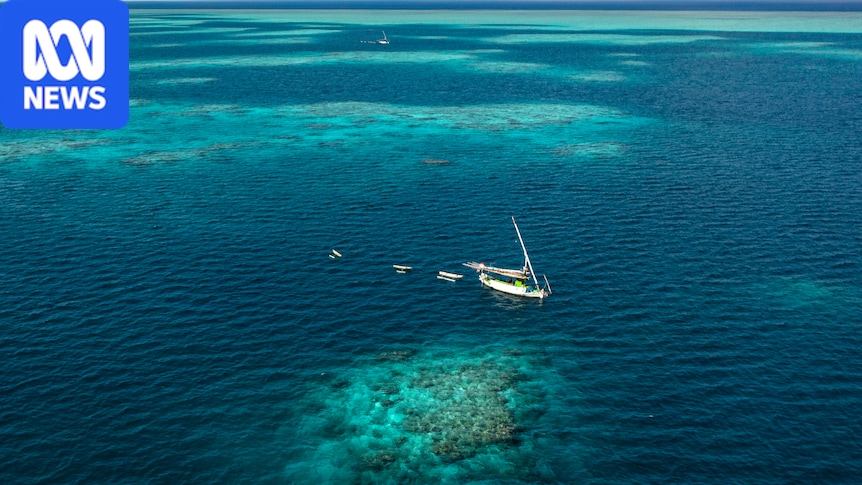
A coalition of experts, fishers and conservationists has launched a fresh offensive against Woodside's proposed $30 billion Browse gas project, accusing the company of "dramatically understating" the risks of an oil spill off the pristine Kimberley coast. The project, which Woodside says will produce enough gas to power 800,000 homes, is currently before WA's Environmental Protection Authority (EPA).The company amended its proposal last year after it was handed a preliminary rejection, relocating a drill centre away from critical turtle nesting grounds and decreasing its overall project footprint.Key to the adjustments was minimising the chance of a spill, the fallout of which threatened to be "catastrophic", according to Woodside's initial report to the EPA. Massive oil spill modelledSimulations by the company showed a Browse well blowout could haemorrhage nearly 900,000 barrels of condensate over 77 days, roughly 30 times bigger than the 2009 Montara spill, considered one of the worst oil disasters in Australian waters.A 77-day release could spread through eight reefs, nine marine parks and three Indigenous Protected Areas. (ABC News/Woodside)Woodside described "severe and potentially irreversible" impacts, reaching as far as Indonesia and Timor-Leste, and killing coral and marine animals including whales.But the company said a catastrophe was "highly unlikely" and the more "credible" scenario would unfold over 12 hours, leaching about 5,600 barrels of condensate off Scott Reef in the Timor Sea.Scott Reef is Australia's largest standalone oceanic reef and a refuge for thousands of aquatic creatures and shorebirds.Woodside said it had several strategies to mitigate the effects of a spill, including dual pyrotechnic shear rams, a nascent technology using controlled explosives to sever and seal a compromised well or drill pipe almost instantaneously.System may still failEnvironmental consultant Rick Steiner warned Woodside's oil spill containment methods were not guaranteed to work, noting that in the world's biggest-ever accidental marine oil spill, last-ditch shear rams of a different type failed to activate at Deepwater Horizon.The American is a specialist in major clean-ups, having been drawn into the industry by the Exxon Valdez spill off Alaska in 1989.The 1989 Exxon Valdez disaster happened when an oil tanker struck a reef off Alaska.
Woodside oil spill plan under fire as approval decision nears
With final advice due by the end of the year, critics point to Woodside's own modelling to sink the $30 billion gas project.
880 words~4 min read