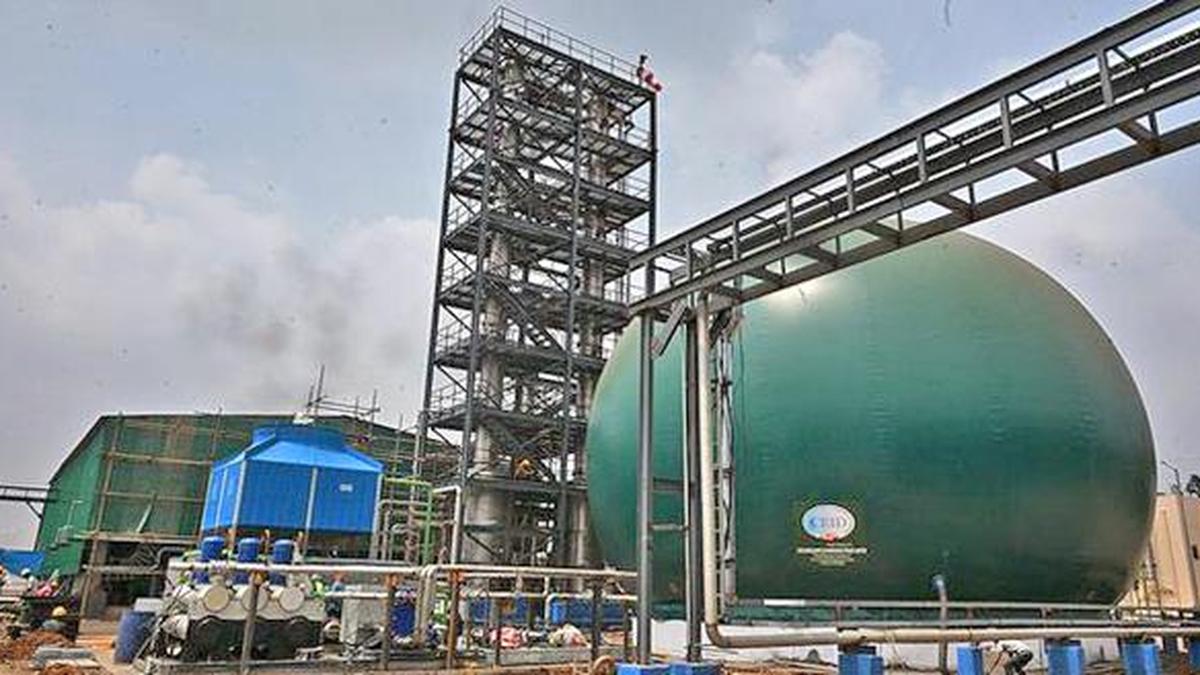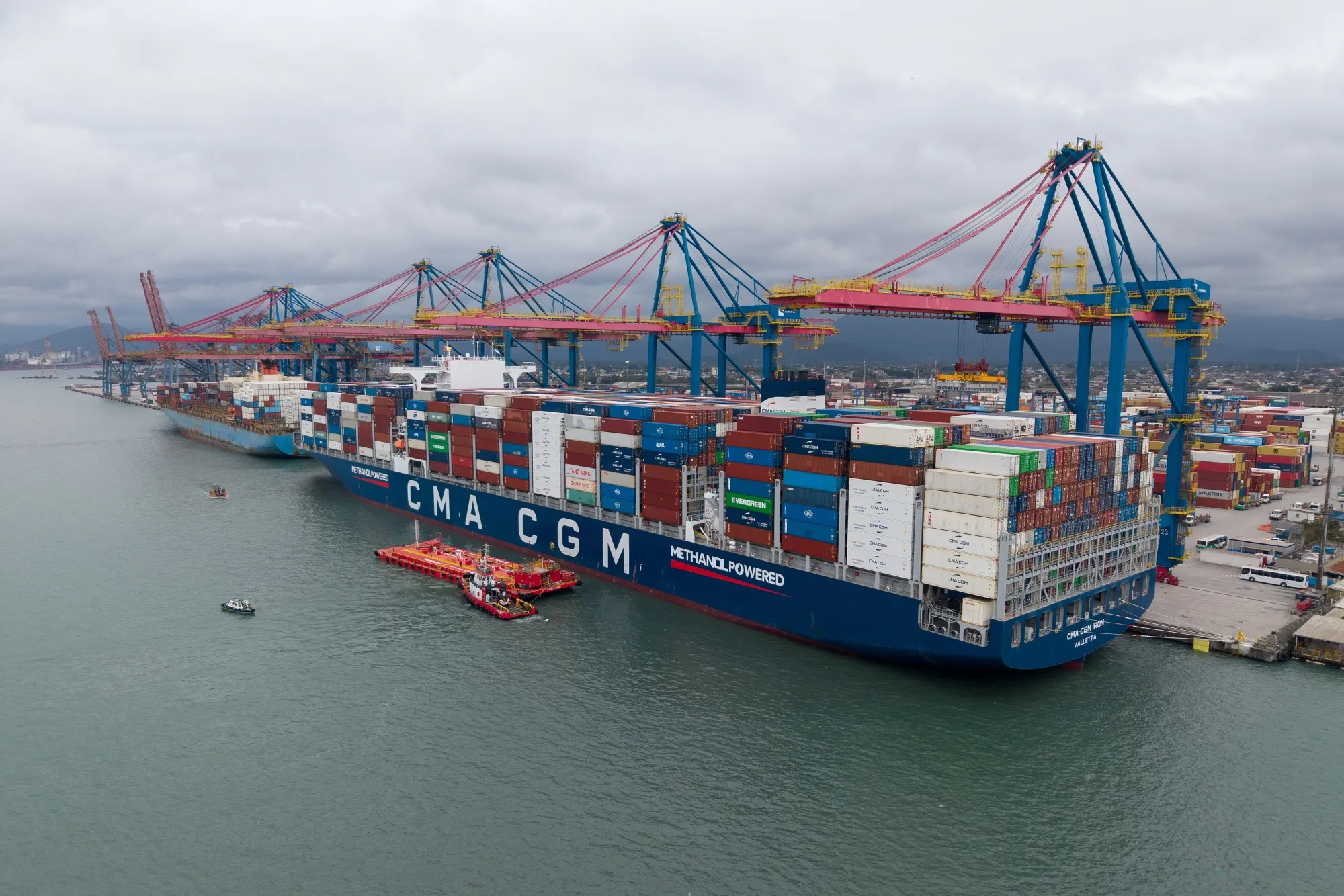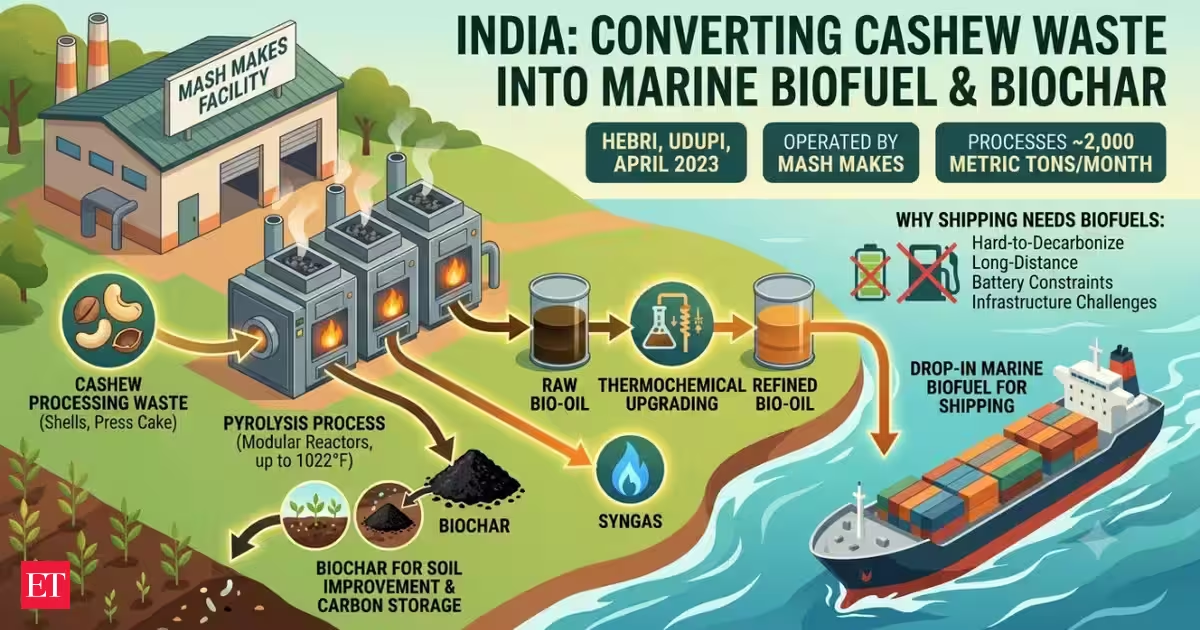
In April 2023, an Indian plant began converting 2,000 metric tons of cashew residues monthly into marine fuel. Now, the refined oil has passed real-world ocean trials, linking a village waste stream to global shippingSynopsisA plant near Hebri, India, converts cashew processing waste into biofuel and biochar. This facility now processes nearly two thousand metric tons of cashew residues monthly. The resulting biofuel can power industries like shipping and heavy manufacturing. Biochar produced also helps improve soil quality and retain moisture effectively.Cashew waste to marine fuel (Photo: AI/Gemini)In April 2023, a plant near Hebri in India began converting cashew processing waste into biofuel and biochar.Operated by MASH Makes, the facility started with one machine before expanding to four. It now processes almost 2,000 metric tons of cashew residues each month, as per a Bioenergy Times report.The resulting biofuel can be used in industries including shipping and heavy manufacturing, while biochar can help improve soil quality, retain moisture and support crop yields.The refined bio-oil has been validated through laboratory testing and real-world ocean trials on commercial shipping vessels.A plant close to the source of cashew wasteThe facility is located in Udupi, an area with a high concentration of cashew processing units. MASH Makes sources cashew press cakes directly from these local facilities.You Might Also Like:Since operations began, the plant has processed more than 7,000 tonnes of biomass and produced 1,050 metric tonnes of biofuel and 2,900 metric tonnes of biochar on a wet basis, as per the Bioenergy Times report.Why shipping needs alternative fuelsMaritime shipping remains difficult to decarbonize because vessels need high energy density to travel thousands of miles across the ocean.Battery systems are not ideal for many ships because extremely heavy and bulky batteries take up valuable cargo space.International shipping carries nearly 90% of global trade and accounts for roughly 3% of global greenhouse gas emissions. Ships can also remain in service for up to 30 years, making the replacement or retrofitting of existing vessels a significant challenge.You Might Also Like:Other alternative fuels have their own infrastructure requirements. Hydrogen needs cryogenic storage at -423°F, while ammonia is toxic and requires specialized double-walled piping and revised safety protocols, as per an Energiesmedia report.How cashew waste becomes marine fuelCashew press cakes are placed into modular reactors and heated to temperatures of up to 1,022°F without oxygen in a process known as pyrolysis.The process produces raw bio-oil, biochar and syngas. The raw bio-oil then undergoes thermochemical processing to neutralize problematic molecules, eliminate water-emulsion problems and prevent polymerization.The resulting non-corrosive bio-oil can be blended with standard Very Low Sulfur Fuel Oil or Marine Gas Oil. The biochar can be used to improve soil quality and store carbon.You Might Also Like:Why the residue needs processingUntreated biomass residues such as cashew nut shells can experience high reactivity and sludging.These problems can clog fuel injectors, cause pumps to seize and lead to engine failures. The material can also create corrosion risks and fuel-blending instability.MASH Makes developed its process to convert the agricultural waste into a stable drop-in marine fuel.From one machine to fourThe facility began with one machine in April 2023, with three additional machines added in January 2024. The operation now employs 125 people, with 65% of workers coming from nearby villages. The company also plans to use other types of crop waste in future plants.Read More News on(Catch all the US News, UK News, Canada News, International Breaking News Events, and Latest News Updates on The Economic Times.) Download The Economic Times News App to get Daily International News Updates....moreless
In April 2023, an Indian plant began converting 2,000 metric tons of cashew residues monthly into marine fuel. Now, the refined oil has passed real-world ocean trials, linking a village waste stream to global shipping
An innovative Indian facility converts cashew residues into biofuel and biochar, passing ocean trials for marine shipping. This initiative links local agricultural waste to global shipping needs, providing an alternative fuel source that addresses decarbonization challenges in maritime transport.
586 words~3 min read