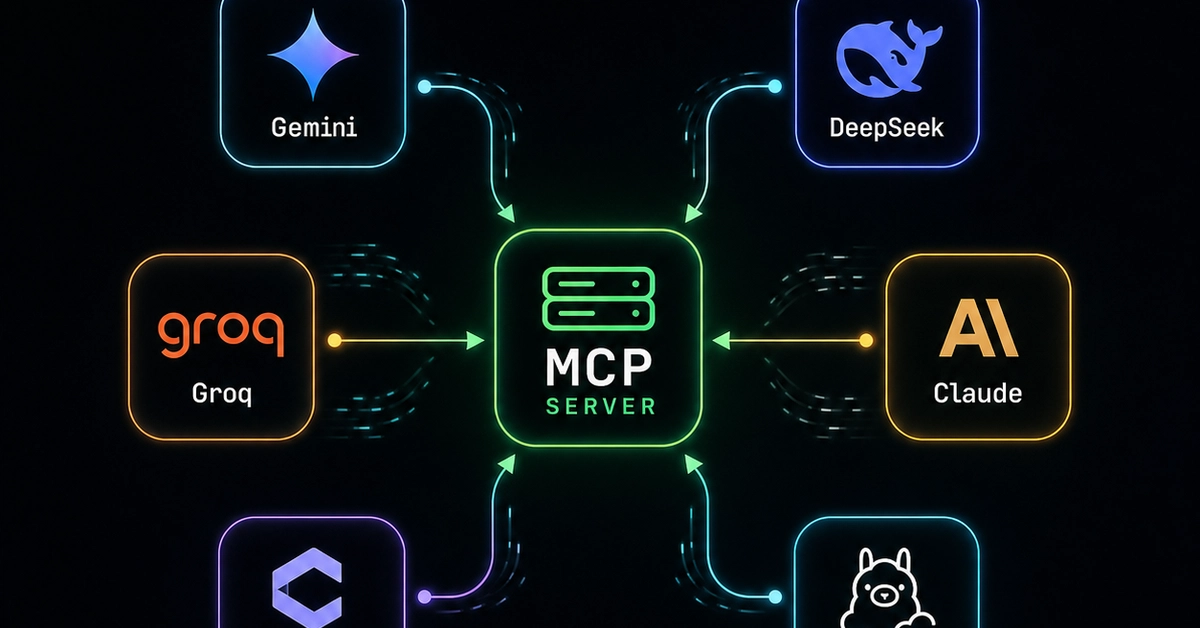
A token allowance is usually treated as a spending budget, which is the wrong mental model for free tiers. The right model is a cache to be managed, because agent workloads repeat themselves far more than developers realize. A semantic cache that serves previous responses for rephrased requests can cut token consumption by roughly half in typical agent loops. This article documents a working zero-dependency implementation and the threshold tuning that made it safe enough for production prototypes.
MonkeyCode's current free offering includes a 10-million-token allowance and a free server option, which makes quota efficiency a practical concern rather than a theoretical one. Disclosure: This article was prepared as part of MonkeyCode's product outreach. The percentages and latency figures below are illustrative measurements from a controlled prototype, not guarantees of any specific result; the design pattern is the deliverable.
The Hidden Repetition in Agent Workloads
Most developers assume that an agent loop sends mostly unique prompts, so they never measure how much repetition actually occurs. In a typical tool-calling loop, the same intent arrives in many surface forms: a user asks the same question twice with different wording, a retry resends a failed request with slightly modified phrasing, or multiple users query the same documentation. A quick audit of request logs in the prototype showed that roughly 35% of prompts were semantically near-duplicates of something already answered.