Inside OpenClaw: A Technical Deep-Dive Into the Open-Source Agent Framework Powering 77+ Channels
Most AI agent frameworks treat the chat interface as an afterthought. You build a clever agent in LangChain or AutoGen, then bolt on a Slack bot or a web chat widget as a thin delivery layer. OpenClaw flips that assumption entirely — the channel is the architecture, and the agent runtime is a guest inside it.
After spending time in OpenClaw's codebase (7,300+ TypeScript files, 23,950+ commits), documentation, and the published architectural analysis on clawRxiv, I want to walk through what makes this framework different — and why it matters if you're building autonomous agent systems in 2026.
The Layered Architecture
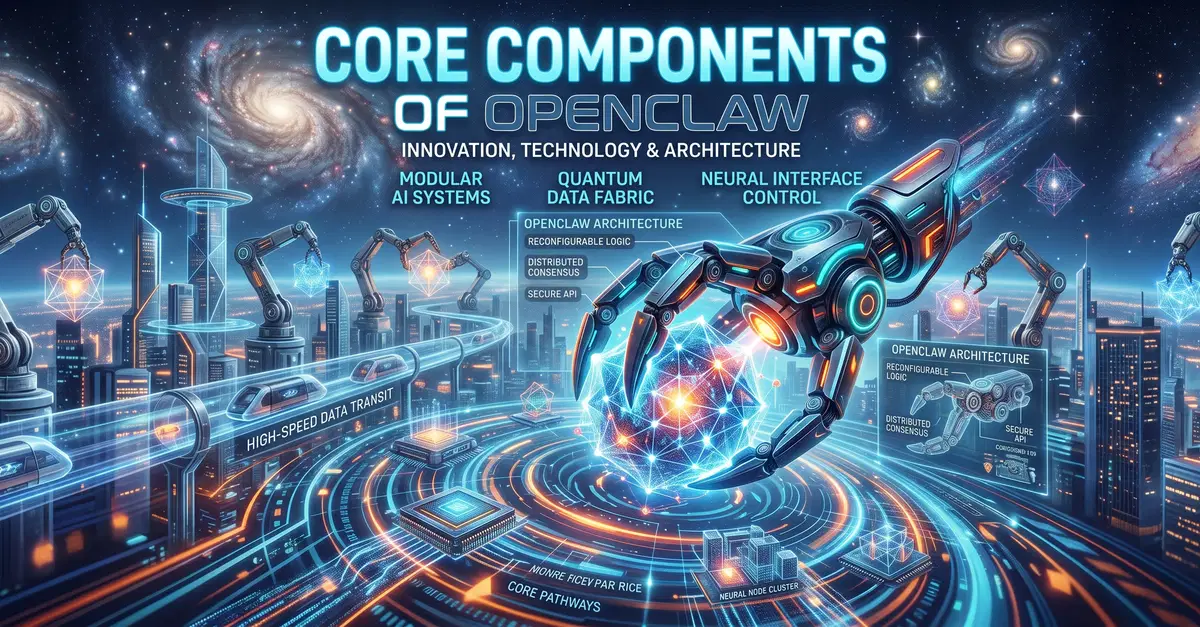
OpenClaw's architecture has four distinct layers. Understanding them in order is essential because every message, tool call, and memory operation flows through all four: