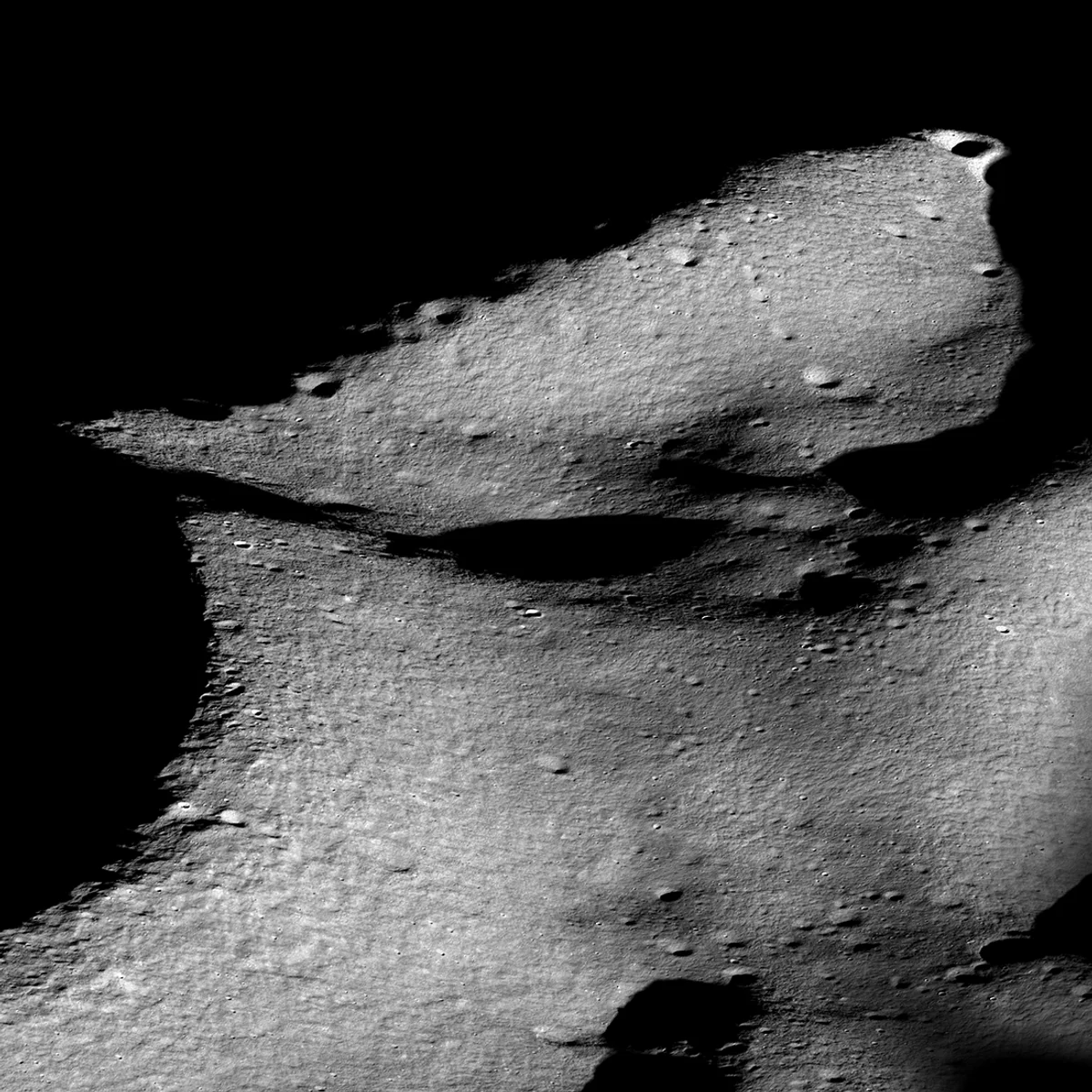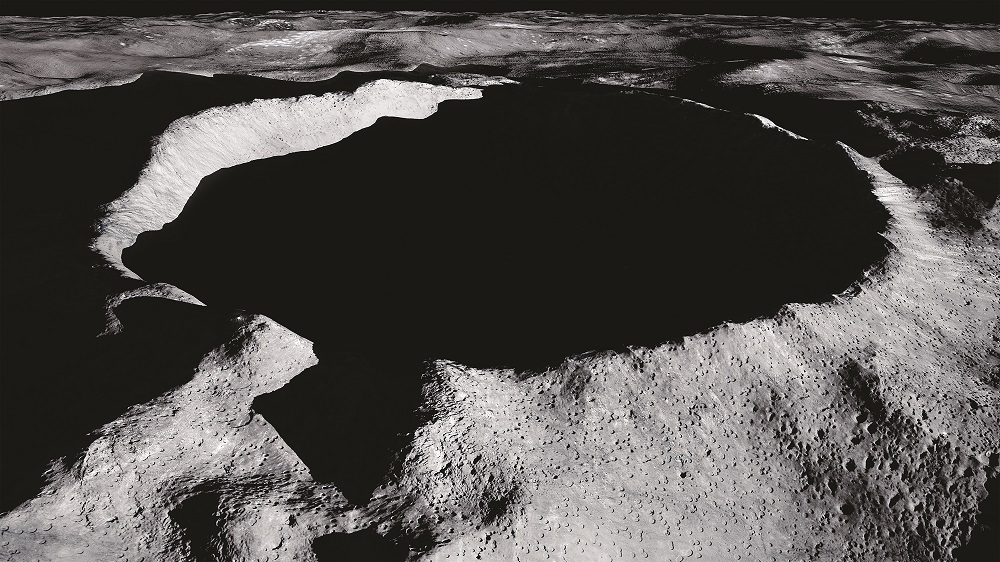
Shackleton Crater, at the south pole of the moon is believed to host quantities of water ice deep within its shadow. Credit: NASA
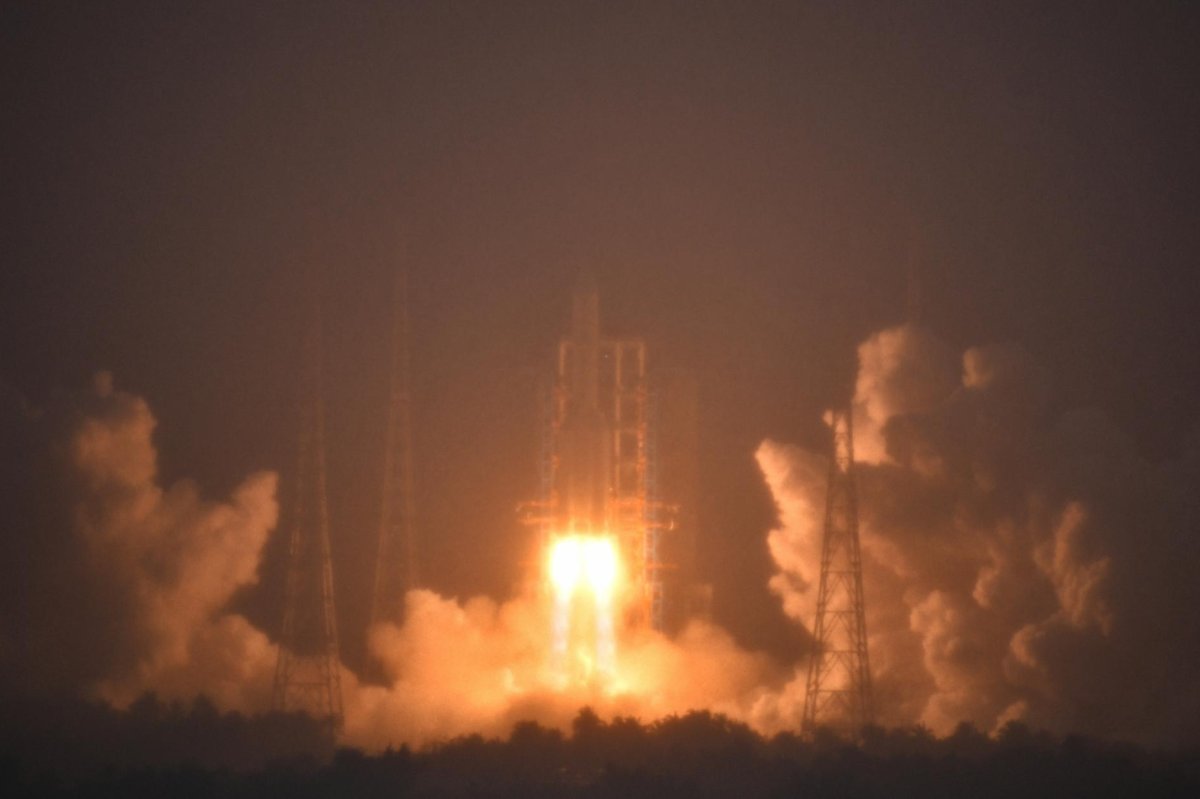
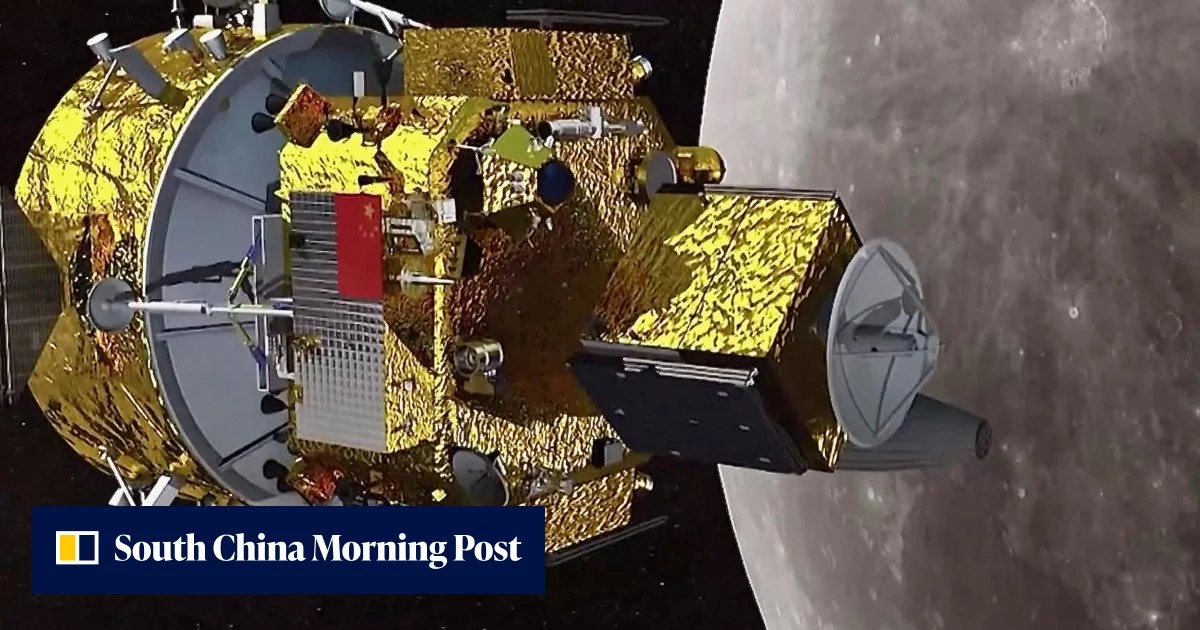
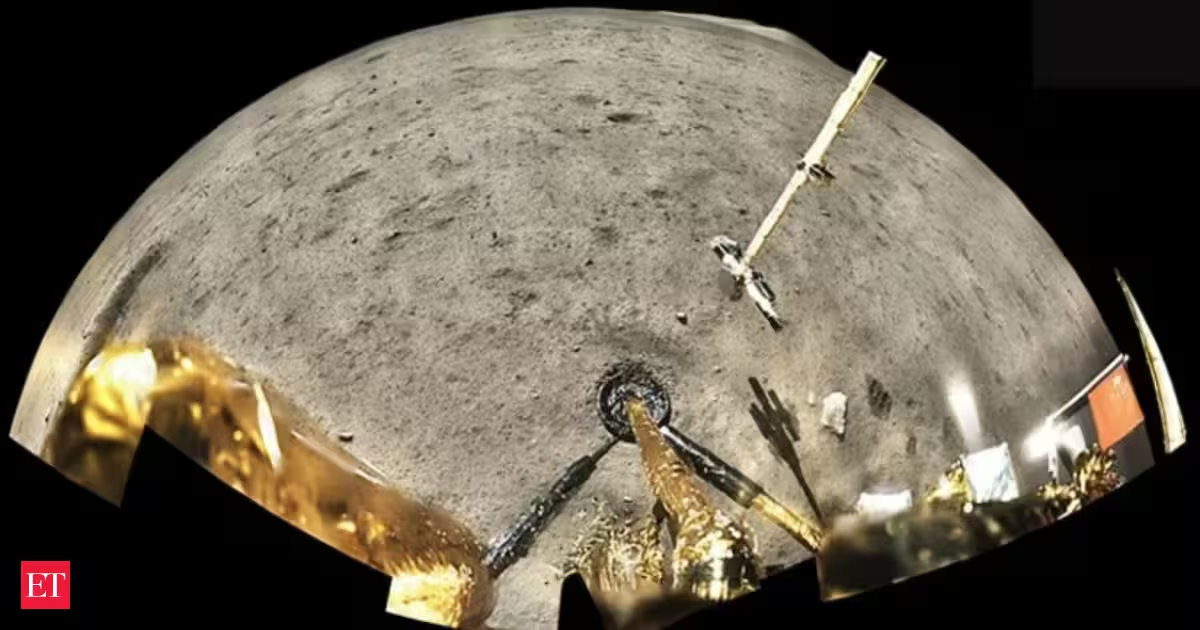
HELSINKI — China has postponed its Chang’e-7 robotic lunar south polar landing mission just hours ahead of a scheduled launch, potentially delaying the mission into 2027.
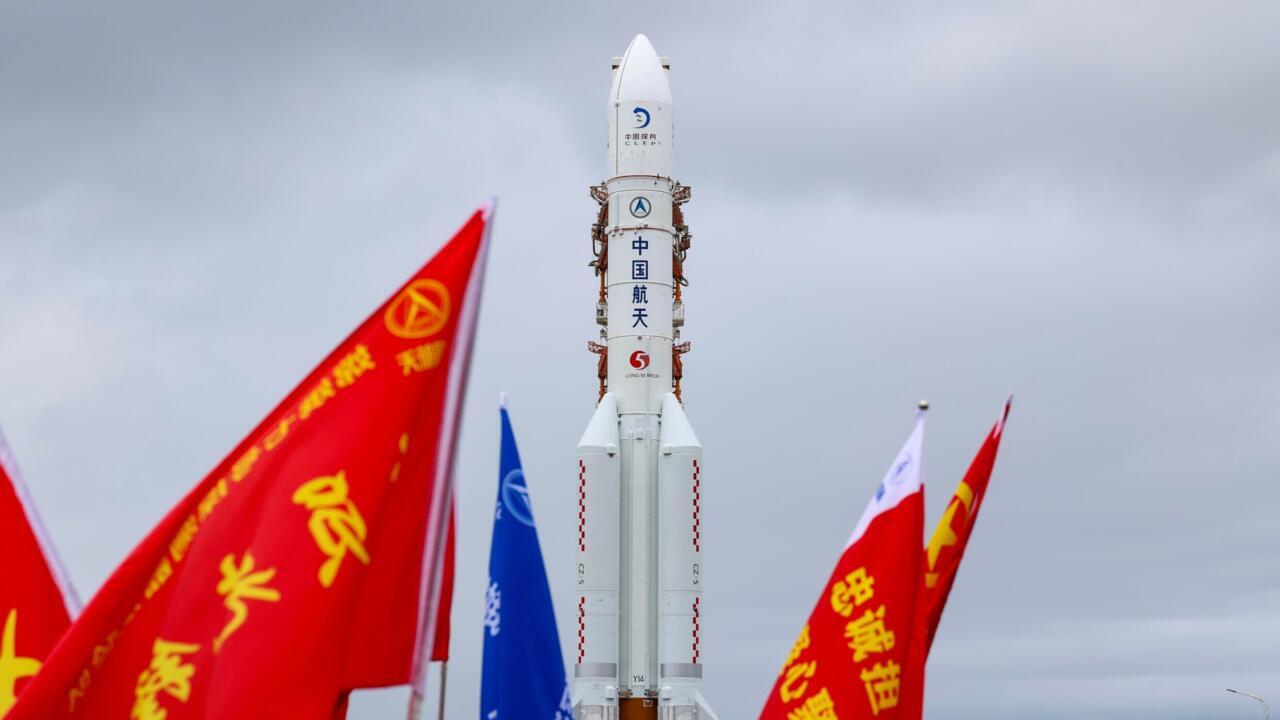
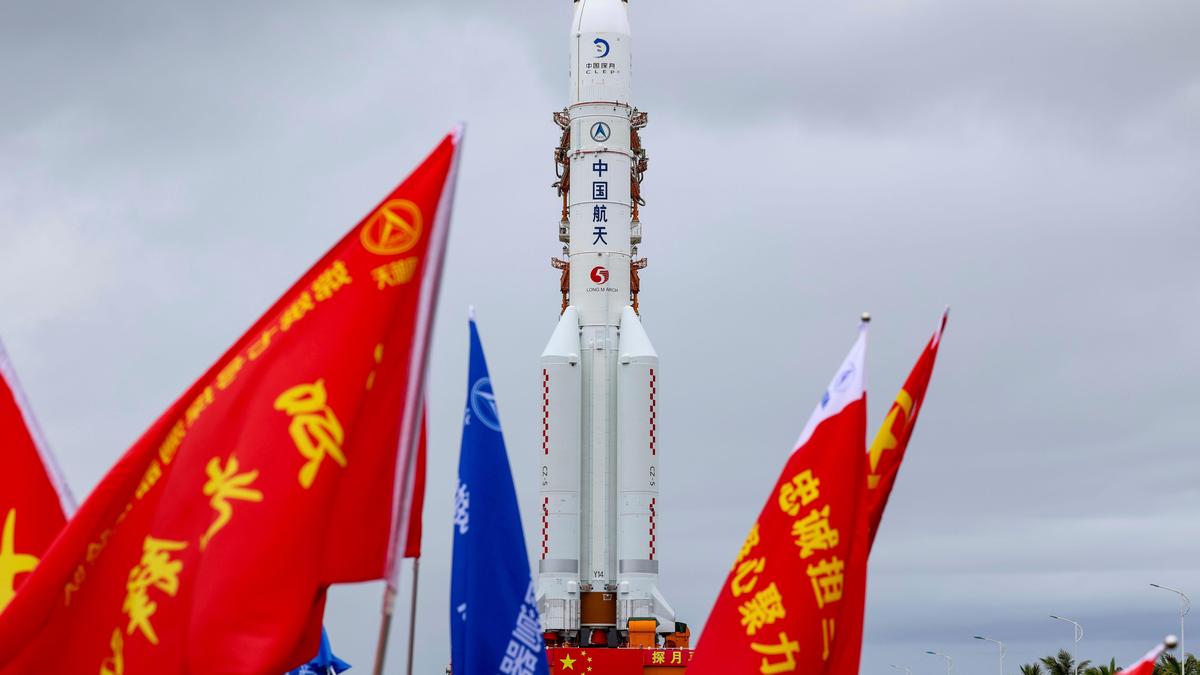
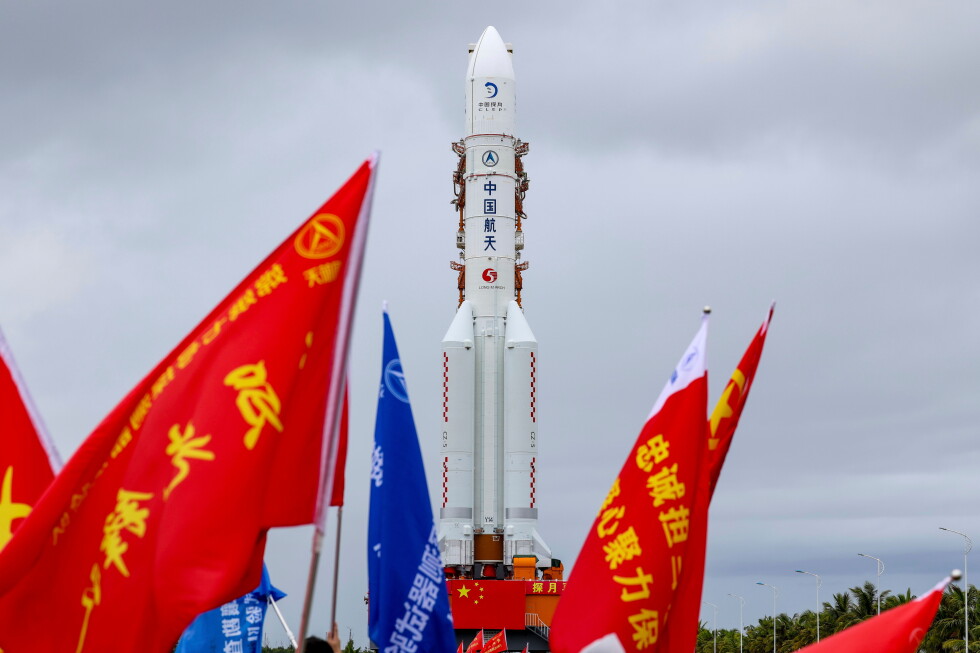
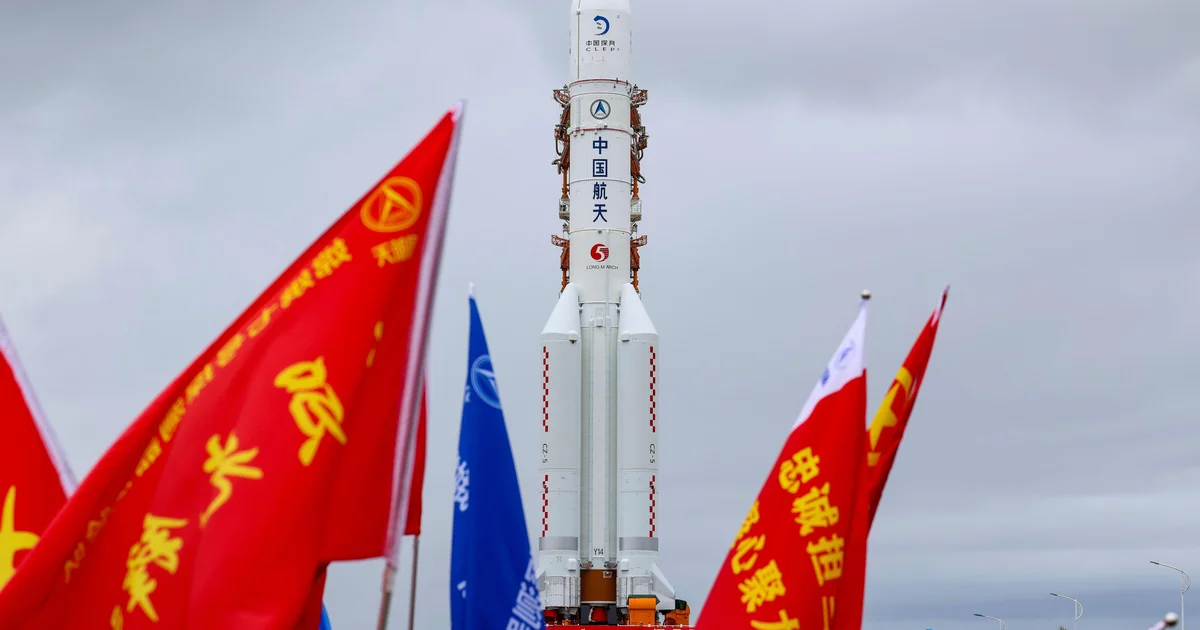
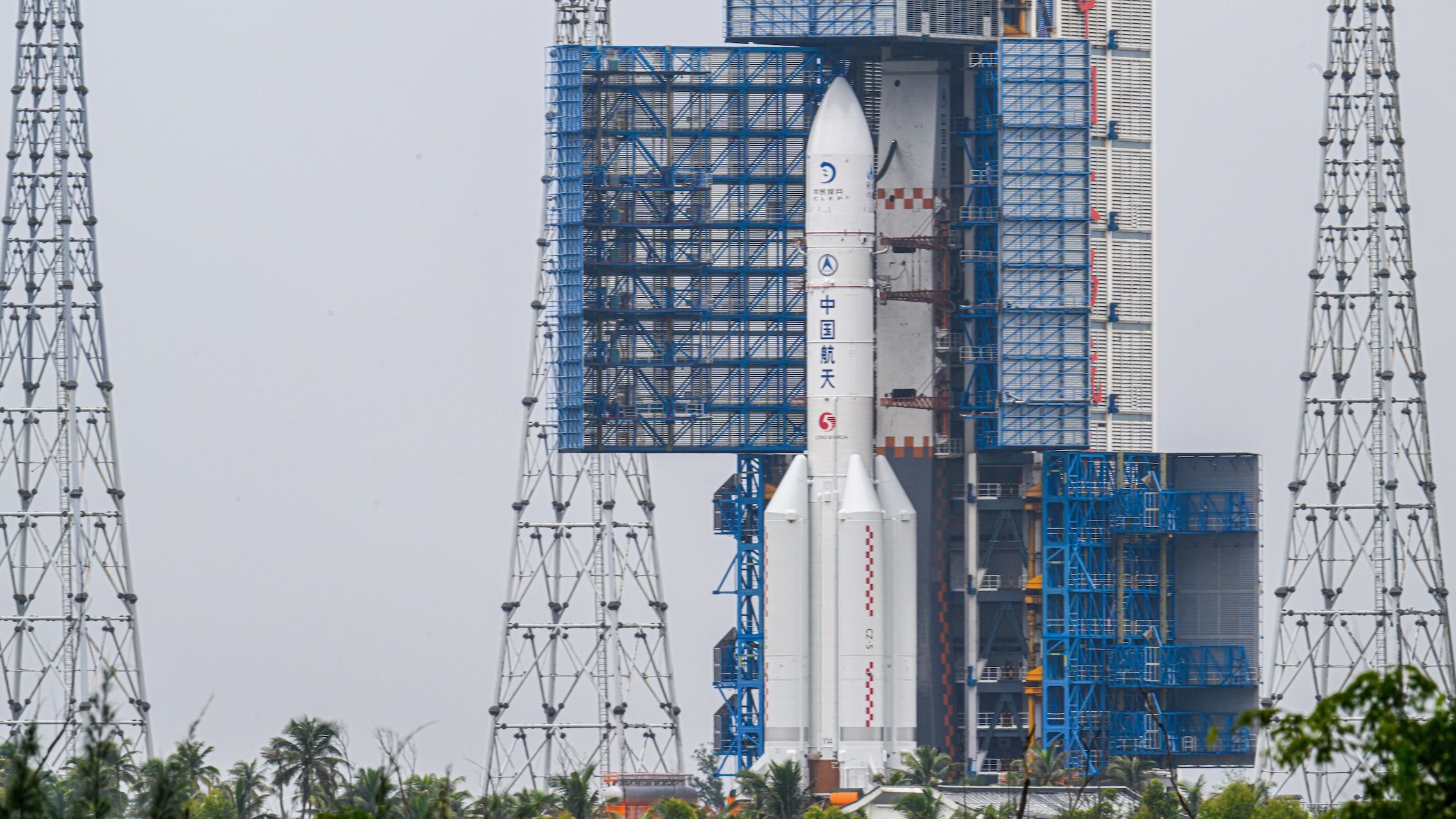
The Chang’e-7 spacecraft stack was rolled out atop its Long March 5 launch vehicle to the pad at Wenchang Satellite Launch Center Aug. 19, with airspace closure notices indicating a planned launch no earlier than late Aug. 23 Eastern time (Aug. 24 UTC).
However, the presence of Typhoon Narra in the area appears to have ended hopes of launch within a narrow launch window, having initially already pushed the launch back a day to Aug. 24 Eastern time (Aug. 25 UTC). High winds either at the surface or at high altitude are a common cause for launches being scrubbed. Wenchang is a coastal spaceport specifically exposed to South China Sea tropical systems, with typhoon season running from June to October.
The China Manned Space Engineering Office (CMSEO) announced the postponement of the launch, stating that, based on the principles of prudence, reliability, and absolute safety, and after comprehensive assessment, the Chang’e-7 mission does not meet the launch requirements and cannot be carried out within the scheduled launch window this year. State media reported the announcement, repeating that the “launch therefore cannot take place during the planned window this year.”