August 23, 2026 / 12:20 PM EDT
/ CBS News
Add CBS News on Google
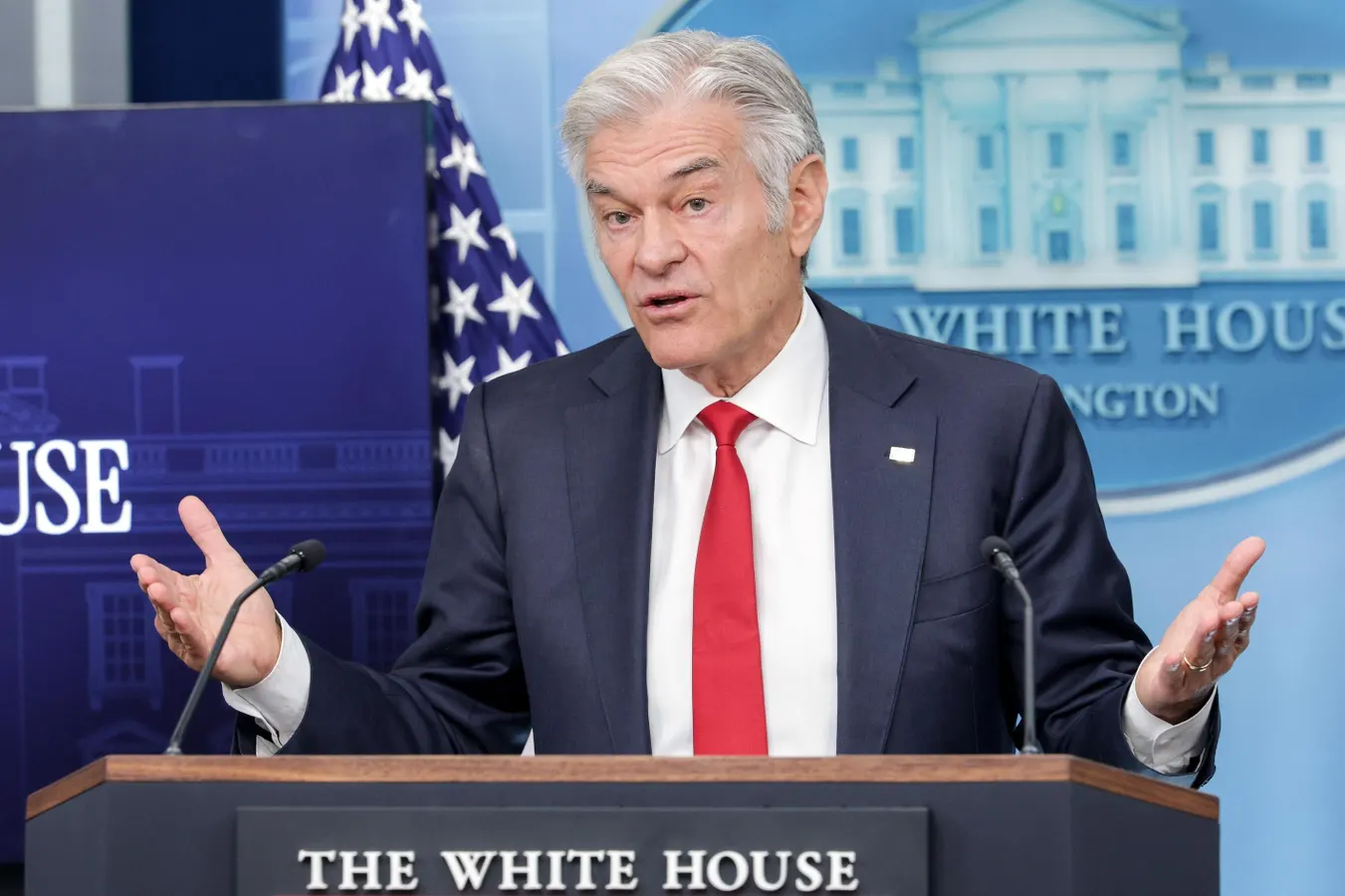
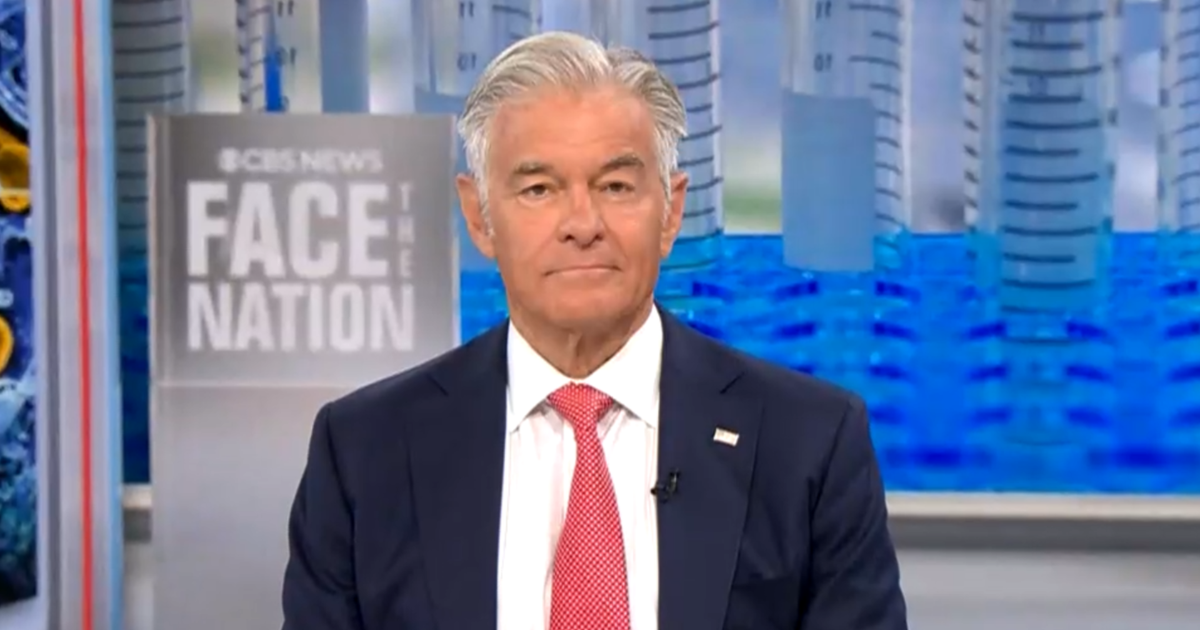
The following is the transcript of an interview with Dr. Mehmet Oz, Centers for Medicare & Medicaid Services administrator, that aired on "Face the Nation with Margaret Brennan" on Aug. 23, 2026.MARGARET BRENNAN: And we are joined now by the Administrator of the Centers for Medicare and Medicaid Services, Dr. Mehmet Oz. Welcome back to Face the Nation.DR. MEHMET OZ: Thanks for having me.MARGARET BRENNAN: It is unquestionable here that healthcare costs are projected to rise in 2027, and this is a top concern. We see it in our polling in terms of economic worry for the average American. There's some good news, and I know you're watching this portion of it. There's this 3.1% drop year-over-year in drug prices, according to the Consumer Price Index for the month of July. Now that's not all drugs and generics played a role here. I know the administration wants to take credit for it, but can you give us some projection here? Are we going to see a further drop in drug prices, and if so, where, how much, who's going to benefit?DR. OZ: Well, I think drug prices are going to continue to drop. This is just what the doctor ordered. To be clear, this is the number one issue that Americans fear about healthcare costs because it comes out of their pocket. So let's put this in context. If you're sitting at home right now and you go to a drugstore because a doctor prescribed a medication, especially a branded product that might change your life for the better, hopefully. One in three times, roughly, you will leave empty-handed because you can't afford the medication. Now, when you see drug prices drop as fast as they have over the past year- the fastest drop we've had in 63 years and it's accelerating, which is why I'm confident that it's going to continue. You change that dynamic. Now, the question is why? How did that happen? And one of the realities is that we leave empty-handed from the drugstore because our drugs cost much more than they cost in other countries. And the president recognizes, and it really bothered him, and it has for years. The real question is why didn't we deal with it earlier? So the president gave us a very clear mandate at the very beginning of the administration because these processes take time. He said, "I don't want you to hurt productivity, creativity, innovation in the pharmaceutical sector, but they are not allowed to charge three times more for the exact same products made often in U.S. facilities than they pay in Europe or Asia." So we went after this issue. Most-Favored-Nation Drug Pricing is the result. We're not telling companies what they can charge. We're saying, whatever you charge overseas, you got to charge here. No more of this global freeloading. And thankfully, the 17 companies representing 85% of the drug sector all came on board. And here's the good news, their market capitalization on Wall Street actually went up because they- the market wants stability. What we want is better prices for the American people, and we got it. And just to put it in context, this increasing savings that we're seeing, the additional amount of savings we're getting, primarily driven not just by having the medications at Most-Favored-Nation pricing, but available to the American people and TrumpRx.gov, is seismic in its nature.MARGARET BRENNAN: Well, you know, more people want more information, and these deals aren't being published. There's some questions from lawmakers about it. I've seen reporting that 17 drug makers agreed to these Most-Favored-Nation prices, but that Medicare and Medicaid recipients don't yet get full access to the programs. When will they? How much cheaper will it be? What kind of drugs?DR. OZ: Well, Medicare beneficiaries are rapidly getting access to these deals. By the way, we want to codify--