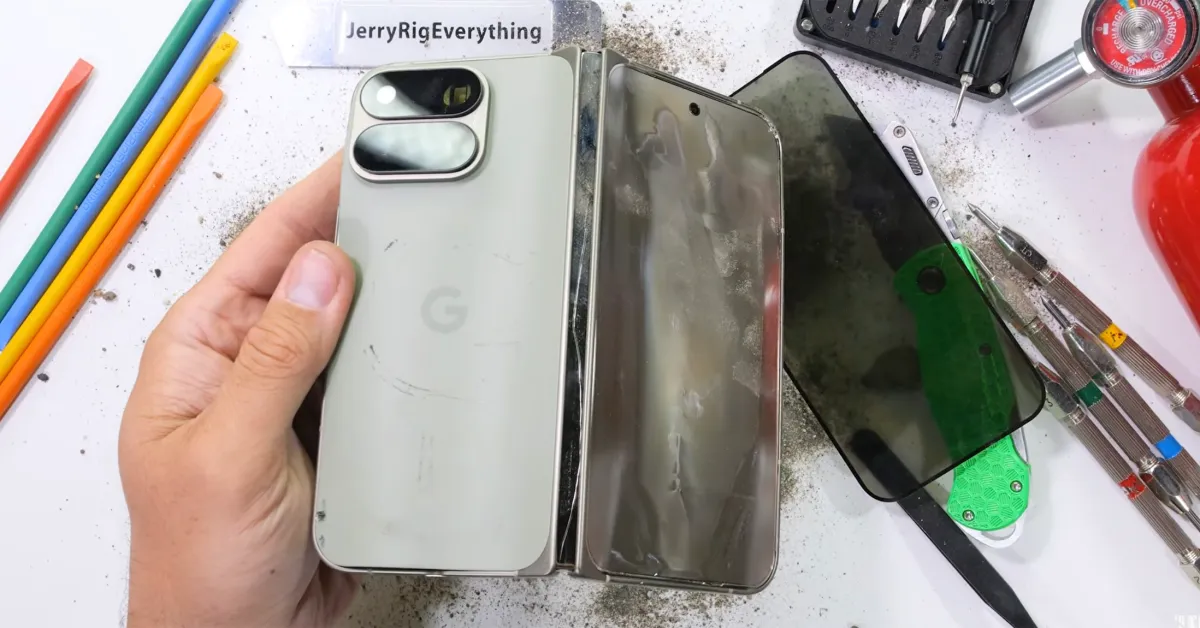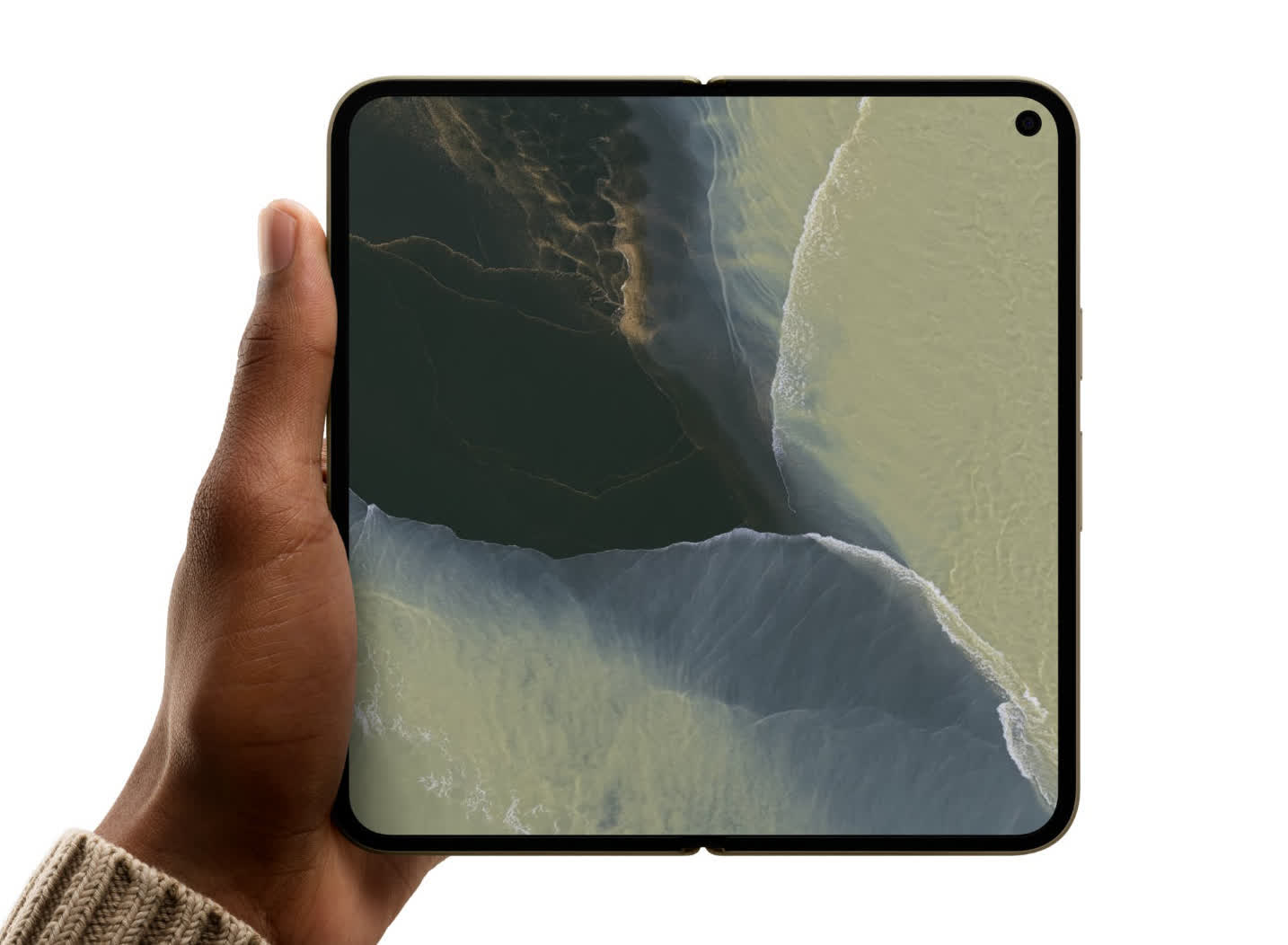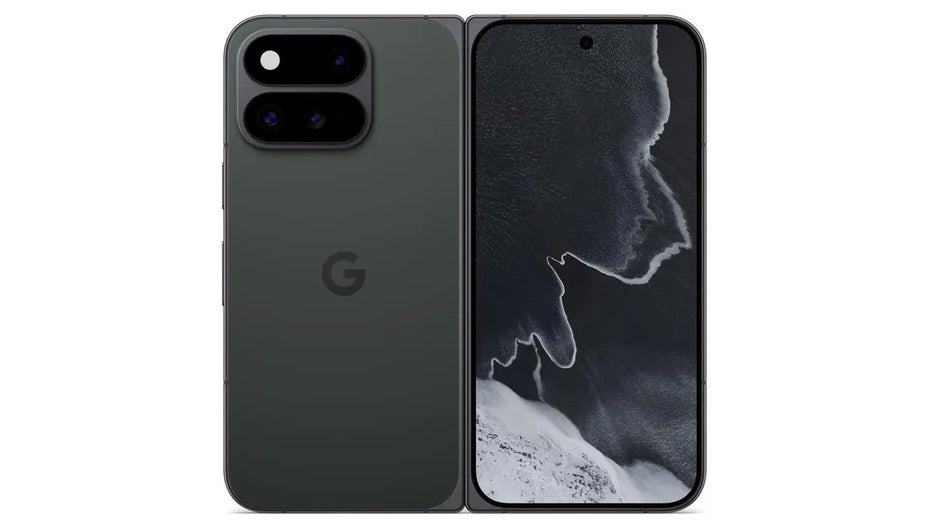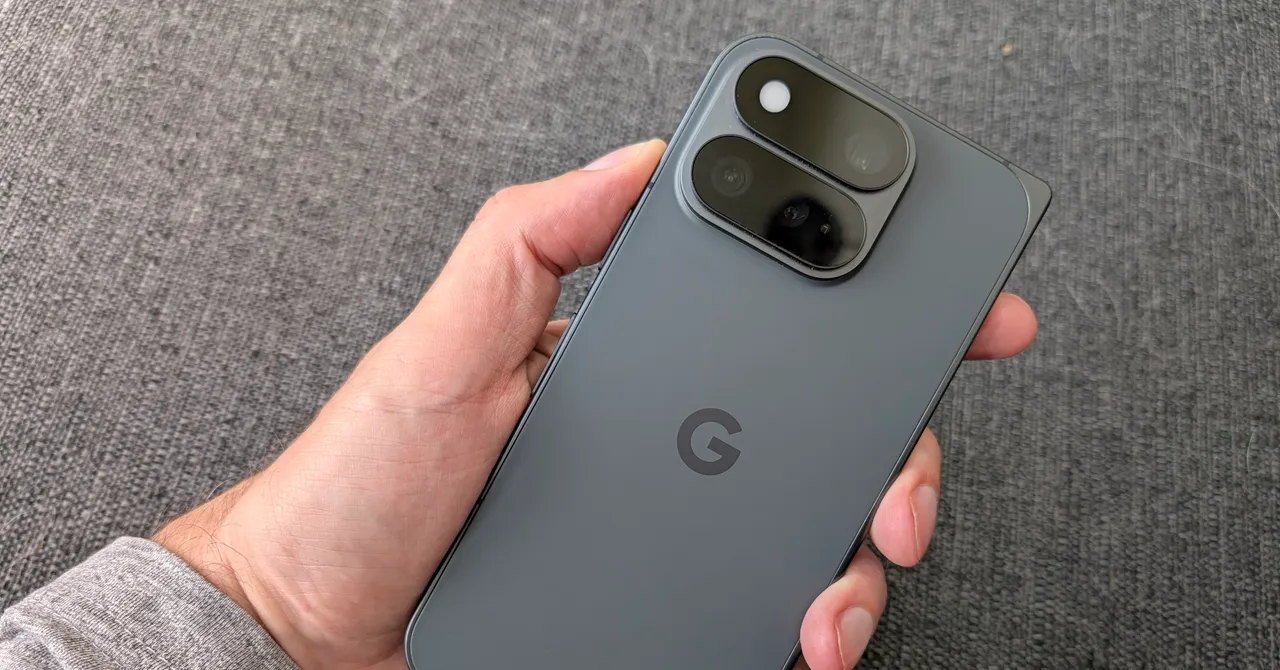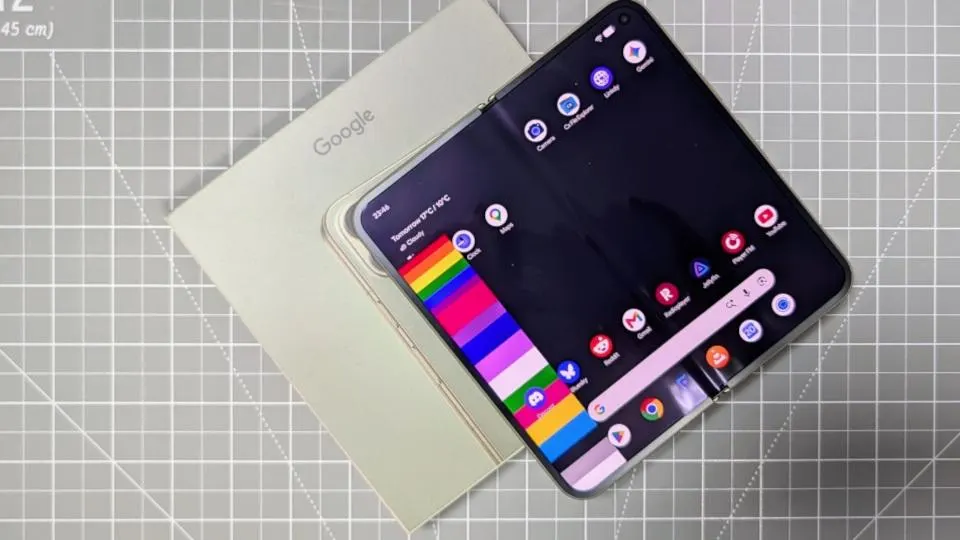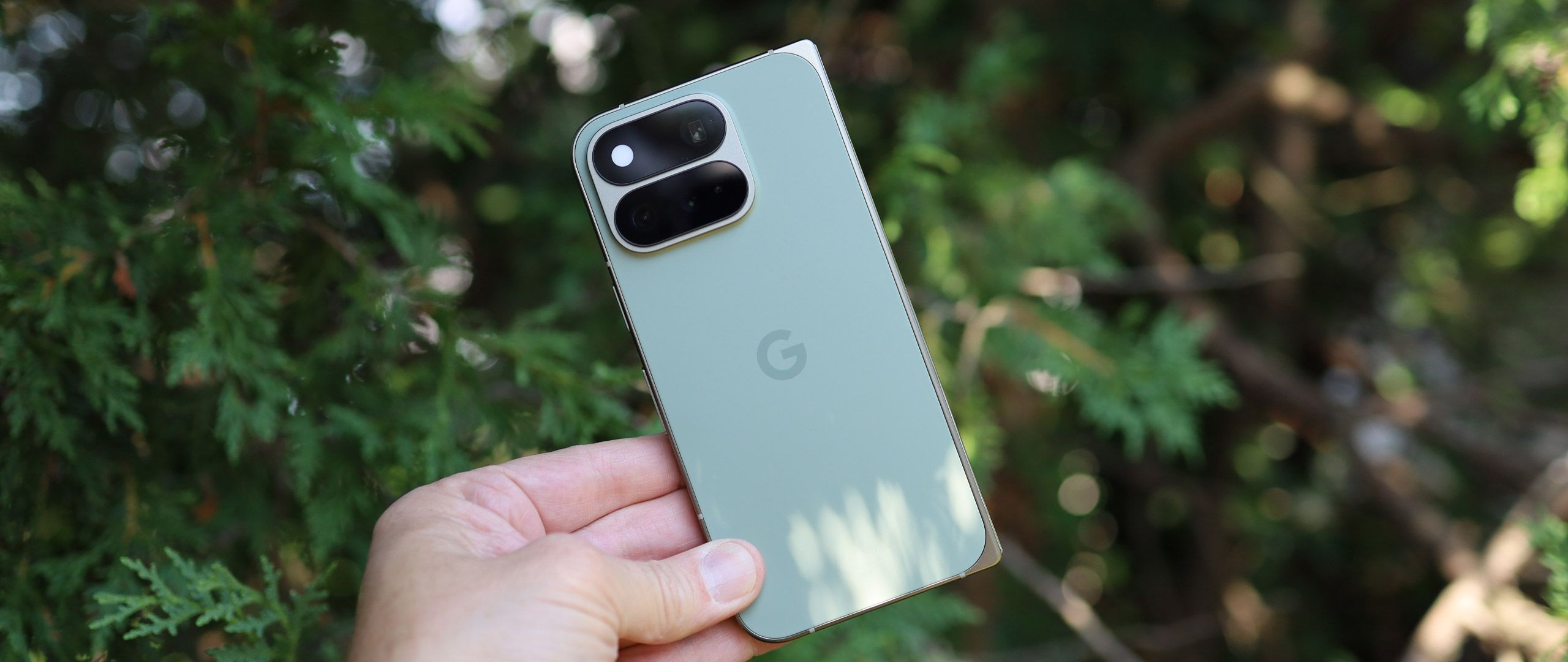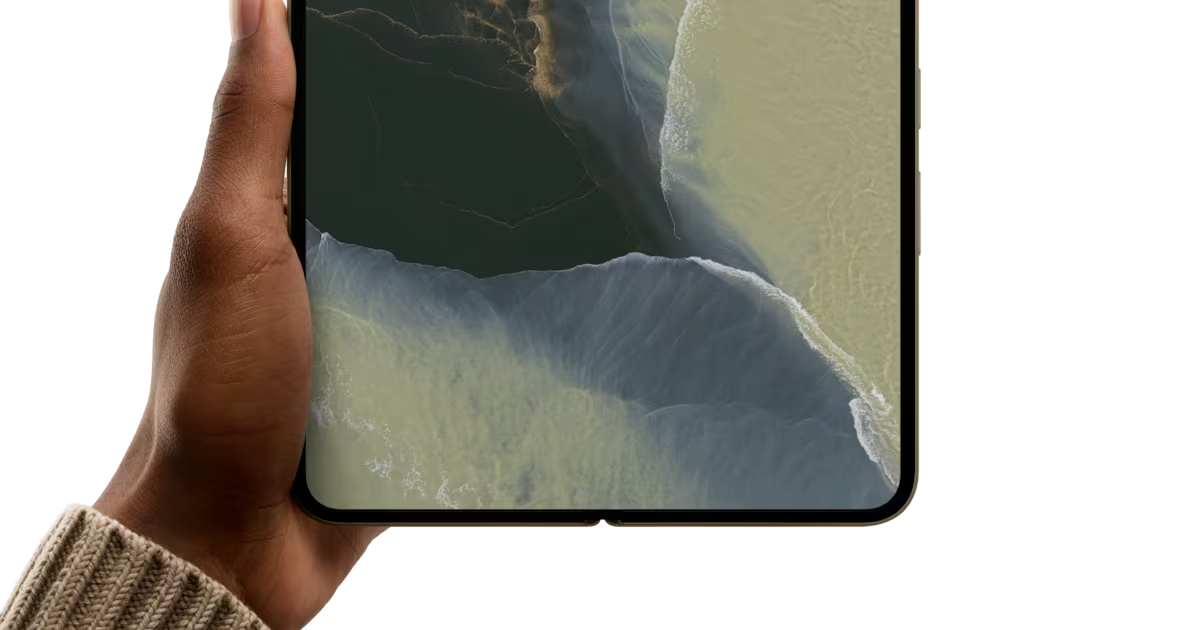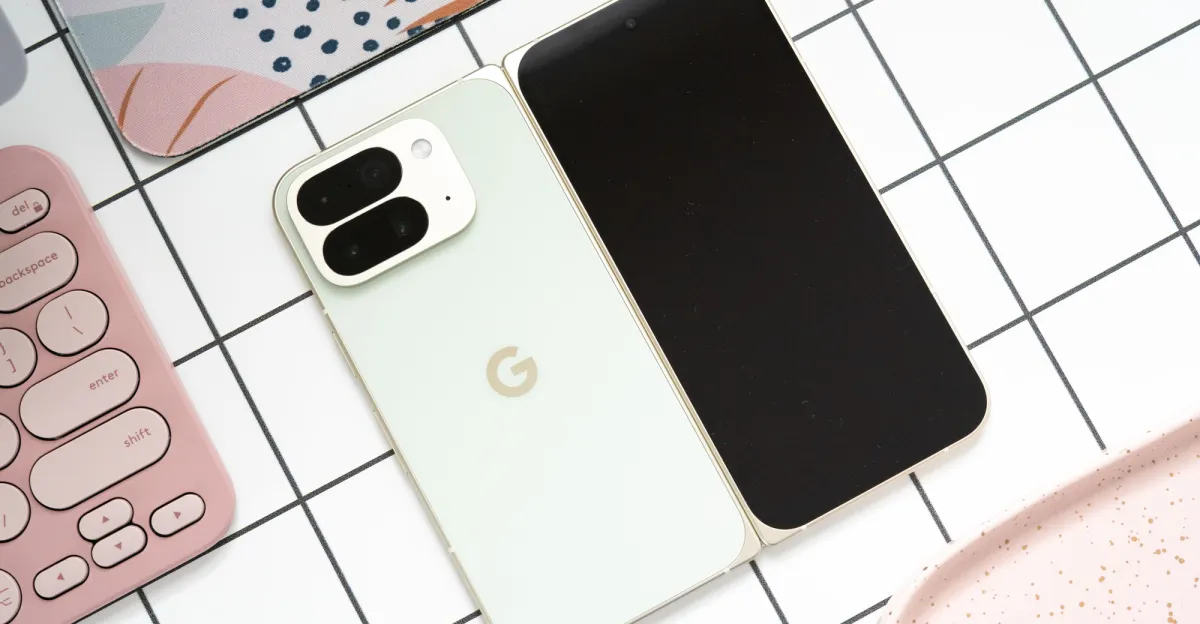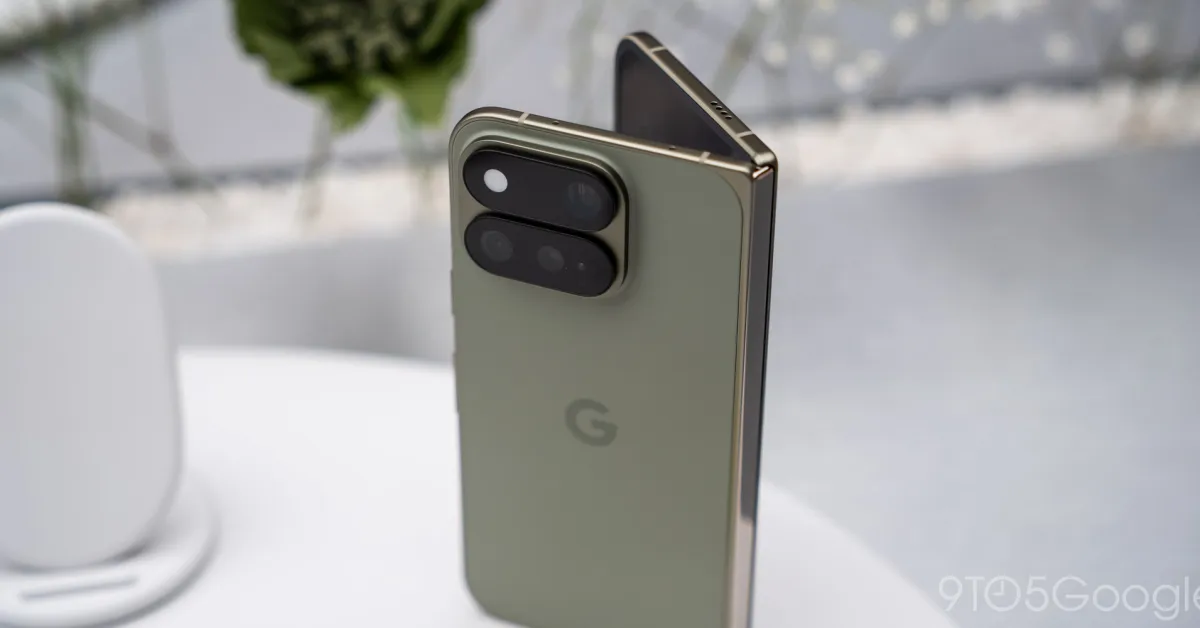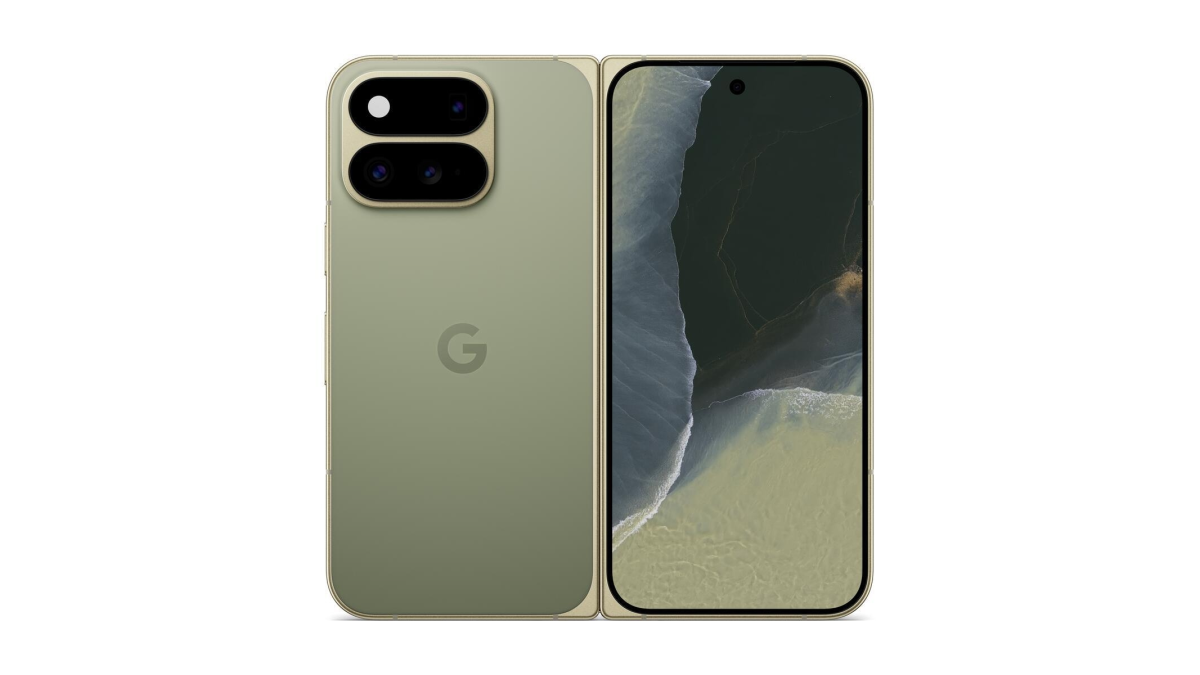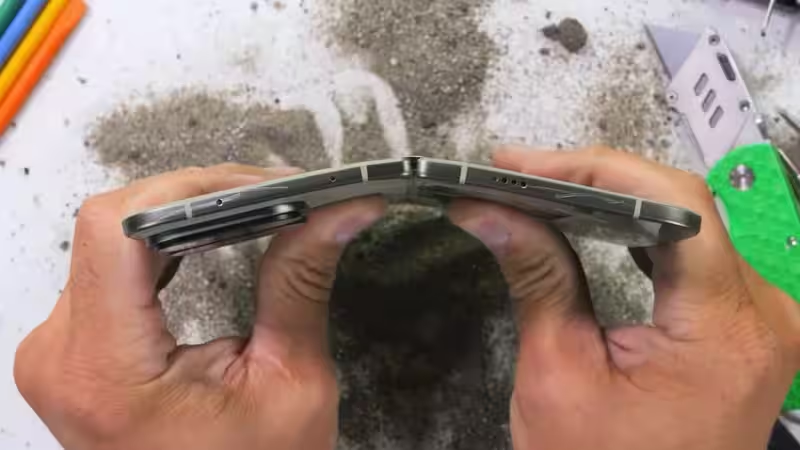
The test begins with the usual scratch test. One of the notable improvements this year is the ceramic outer display covering, which holds up better than the glass used on many other smartphones. It reportedly shows little to no scratching at Level 6 on the Mohs hardness scale, although deeper marks become visible at Level 7.The rear panel, however, tells a different story. Google uses what is described as a "glass composite fiber" material, but the durability test suggests it behaves much more like plastic when exposed to a sharp blade.The Pixel 11 Pro Fold is then subjected to a flame test before Zack moves on to one of the more challenging parts of the test: covering the phone in sand and grit. This is particularly relevant for foldable phones, given the number of moving parts and the exposed hinge mechanism that can potentially be affected by debris.The biggest problem appears during the final bend test. When pressure is applied to the unfolded phone, the Pixel 11 Pro Fold cracks along its antenna lines, just as previous Google foldables have done. The device eventually comes apart, with the front panel popping off and the rear section also proving relatively easy to separate by hand.That makes the result particularly notable because Google has now faced essentially the same structural issue across four generations of foldable phones. While the Pixel 11 Pro Fold appears to be more durable in several other areas, the recurring antenna-line failure suggests there is still room for improvement in the phone's internal design.There is, however, one important difference compared with the Pixel 10 Pro Fold. Last year's model suffered a much more dramatic failure during the durability test, with its battery rupturing towards the end of the test. The Pixel 11 Pro Fold did not meet the same fate this time around.
Pixel 11 Pro Fold Durability Test Shows Google Still Has A Major Foldable Problem
The Pixel 11 Pro Fold faced a durability test, revealing a recurring structural weakness. It cracked along antenna lines during the bend test, a familiar issue. The ceramic outer display showed good scratch resistance, unlike the rear panel. While improved in some areas, the phone still exhibits a foldable durability problem. This recurring failure suggests ongoing design challenges for Google's foldables.
305 words~1 min read