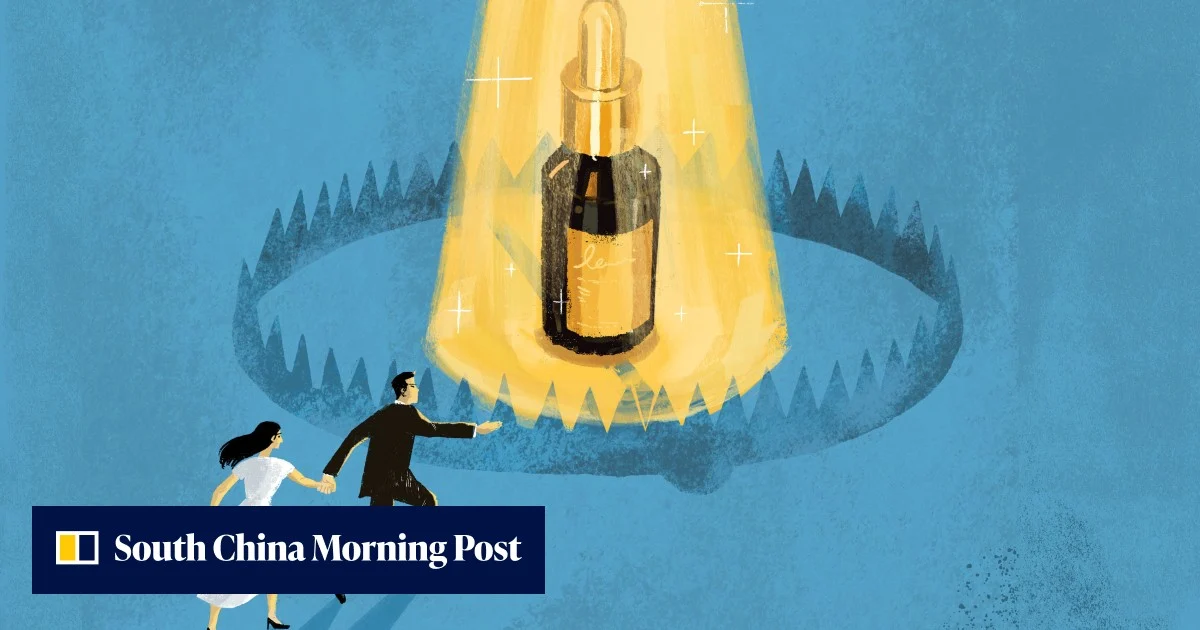
Allegedly aggressive sales tactics and business operations in Hong Kong’s beauty product sector closely mirror the global “Dead Sea sales scams” uncovered years ago, documents on WikiLeaks have shown.The controversy has prompted calls from experts for the city’s government to strengthen regulation by expanding proposed cooling-off period legislation to cover retail beauty goods.A check of the whistle-blower website WikiLeaks by the South China Morning Post found that shops and kiosks selling Dead Sea products using allegedly pushy sales tactics had been reported in several countries over the past two decades, affecting customers in the United States, New Zealand, Australia and Europe.Diplomatic cables released by the website in earlier years shed light on the operation behind the billion-dollar industry, which involves alleged immigration fraud, illegal labour, money laundering and worker exploitation in the United States.One cable, prepared by former US ambassador to Israel James Cunningham in 2009, revealed that many young Israelis, generally newly released military draftees, worked in the industry on tourist visas or expired work visas, prompting US investigators to crack down.“The financial incentive is great; post-IDF [Israel Defence Forces] salaries are low and jobs scarce – hence their ‘need’ to find a way to quickly finance their university education and/or onward travels,” the cable read.Last week, Hong Kong customs officers arrested two staff members from Sayles Retail, the local distributor of the Opatra London skincare brand, following claims of aggressive sales tactics.
How Hong Kong beauty sale tactics echo global ‘Dead Sea sales scams’
WikiLeaks files reveal pushy sales operations for Dead Sea beauty products have been problematic in several countries for decades.
234 words~1 min read