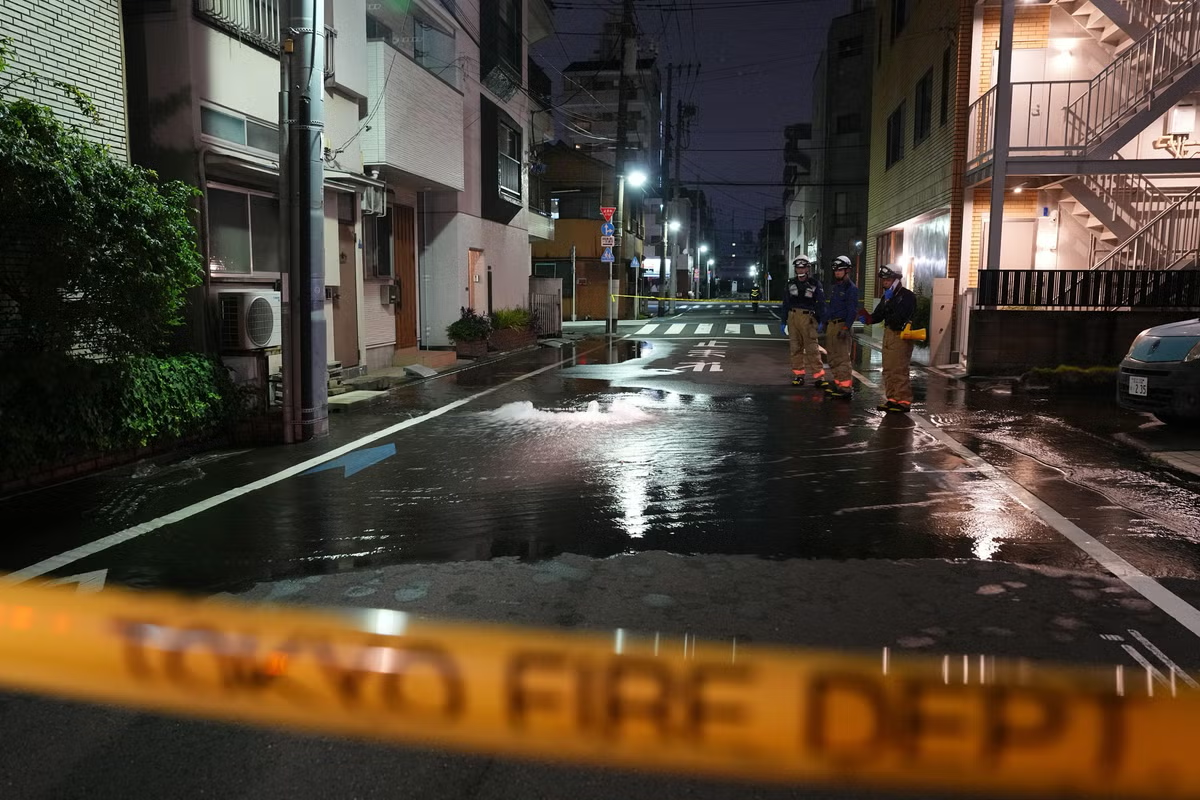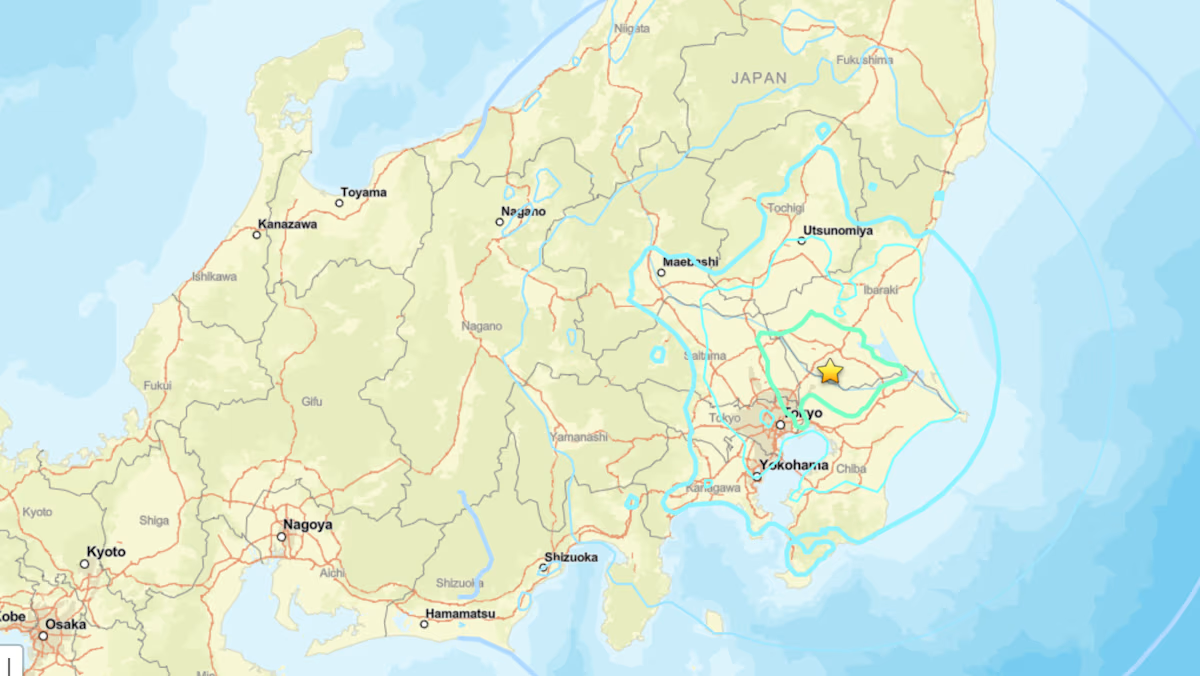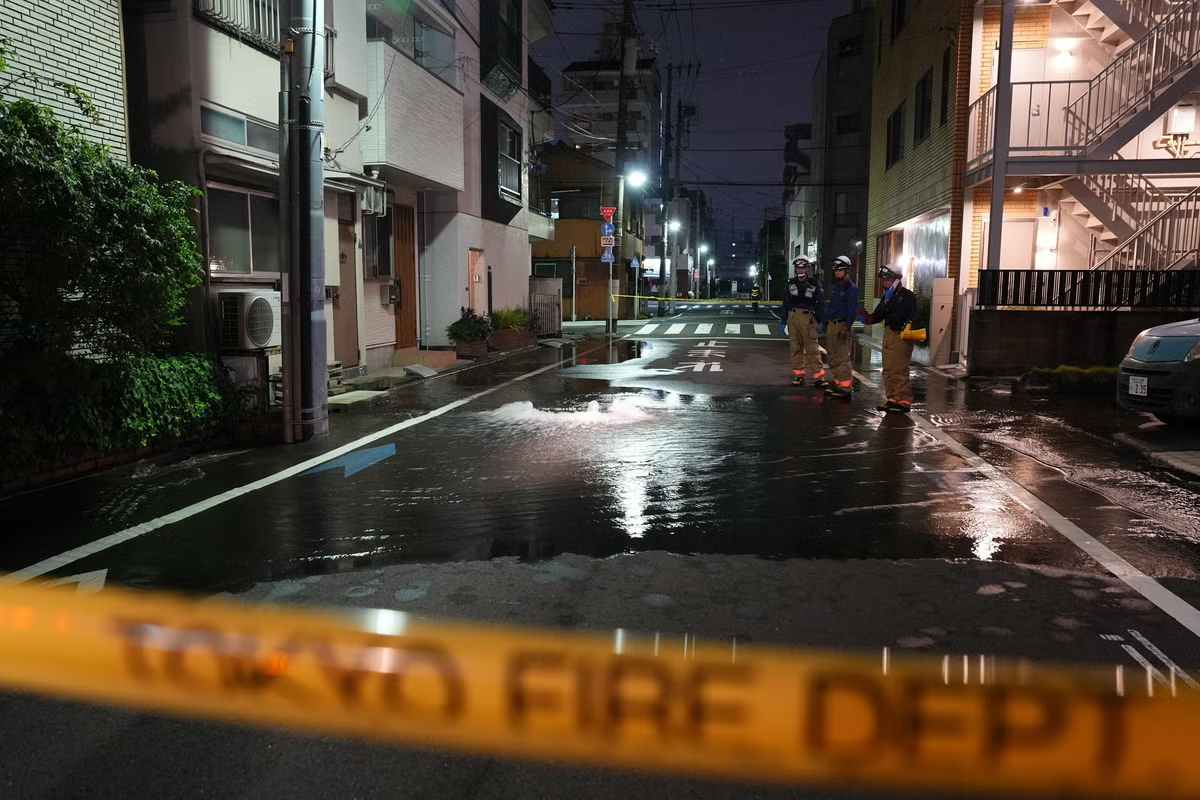
A moderate earthquake shook eastern Japan, including Tokyo, early Sunday, leaving at least 37 people injured and causing disruption to rail services, damage to a water pipe and panic among residents awakened by the sudden tremor. There was no tsunami threat.A moderate earthquake shook eastern Japan, including Tokyo, early Sunday, leaving at least 37 people injured and causing disruption to rail services, damage to a water pipe and panic among residents awakened by the sudden tremor. There was no tsunami threat.The Japan Meteorological Agency measured the earthquake at magnitude 5.9, with its epicentre in southern Ibaraki Prefecture at a depth of around 70 kilometres. The tremor was strongly felt across Tokyo and neighbouring prefectures, while the US Geological Survey put its magnitude at 5.8.Most injuries caused by panic and fallsThe biggest impact was felt by residents who were caught off guard while sleeping. Many of those injured fell while getting out of bed or collided with furniture and other objects as the ground began shaking.Tokyo reported 15 injuries, followed by Saitama with nine, Kanagawa with eight, Chiba with four and Ibaraki with one. Most cases were minor, though an elderly woman in Yokohama suffered a serious hip injury after falling from her bed.Train services hit, Narita Airport routes delayedThe earthquake also briefly affected transport in the wider Tokyo region. Some express services connecting Tokyo with Narita Airport were delayed, along with local train services in parts of eastern Japan.Shinkansen bullet train services, however, continued to operate normally, limiting the wider impact on Japan's rail network.Burst pipe sends water onto Tokyo streetIn Tokyo's Koto ward, an underground water pipe ruptured after the quake, sending water flowing across a road. The leak was later stopped after repairs, while authorities continued checking for other damage.The earthquake also triggered emergency alerts on mobile phones, giving residents only moments of warning before the stronger shaking began.No tsunami, nuclear facilities report no problemsDespite the widespread shaking, authorities said there was no danger of a tsunami. Japan's nuclear regulator also reported no abnormalities at nuclear power plants or other facilities handling nuclear materials.The government set up a task force to assess possible damage, while the Japan Meteorological Agency urged people in areas that experienced strong shaking to remain cautious over the coming week because another earthquake of a similar strength remains possible.The latest Tokyo-area earthquake has therefore left a relatively limited physical damage footprint, but its impact was felt across daily life — from people injured in the rush to get to safety to delayed trains and flooded streets. With authorities warning of possible further tremors, residents are being urged not to let their guard down.
Japan earthquake injures 37, disrupts trains and ruptures water pipe in Tokyo
A moderate earthquake struck eastern Japan early Sunday morning. At least thirty-seven people sustained injuries from panic and falls. Train services experienced disruptions, and a water pipe ruptured in Tokyo. Authorities confirmed no tsunami threat and no issues at nuclear facilities. Residents are advised to remain cautious of possible aftershocks.
439 words~2 min read