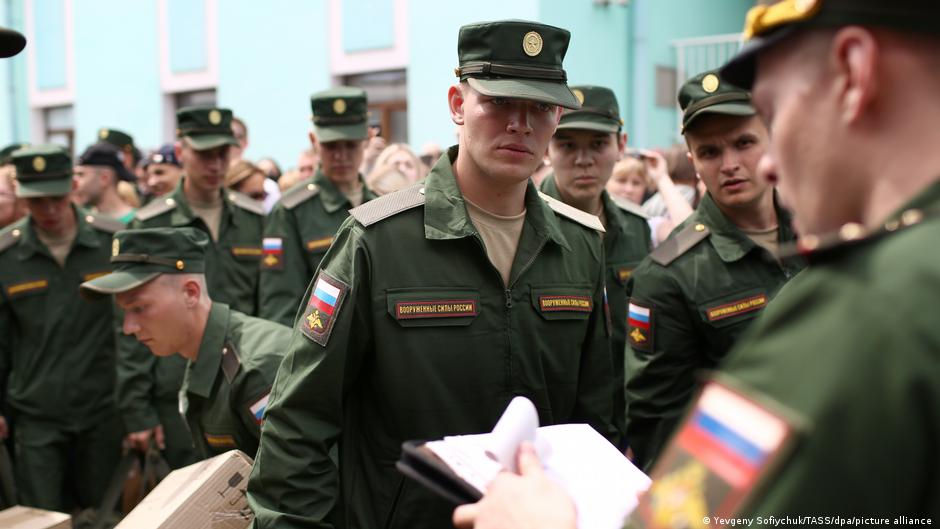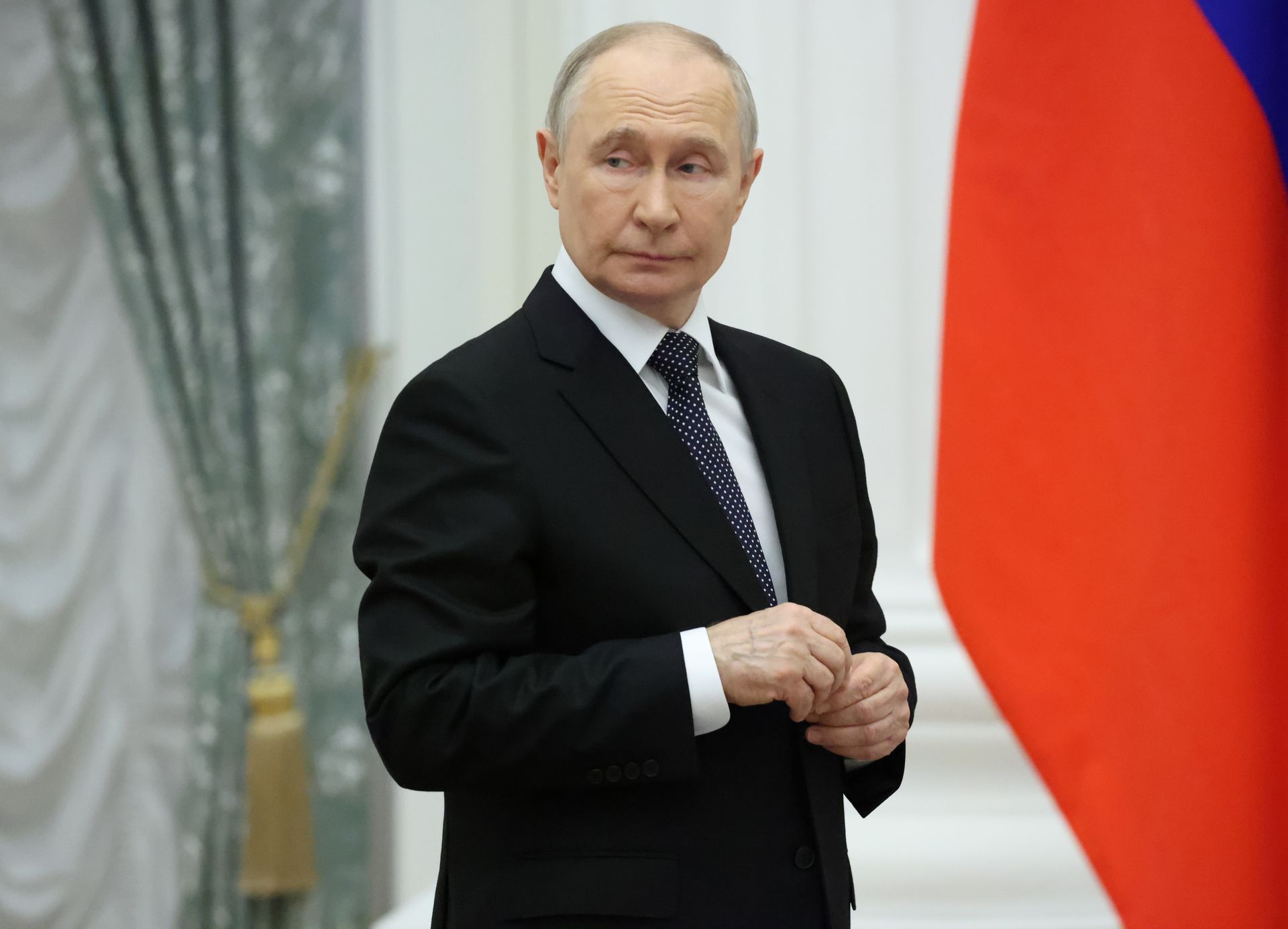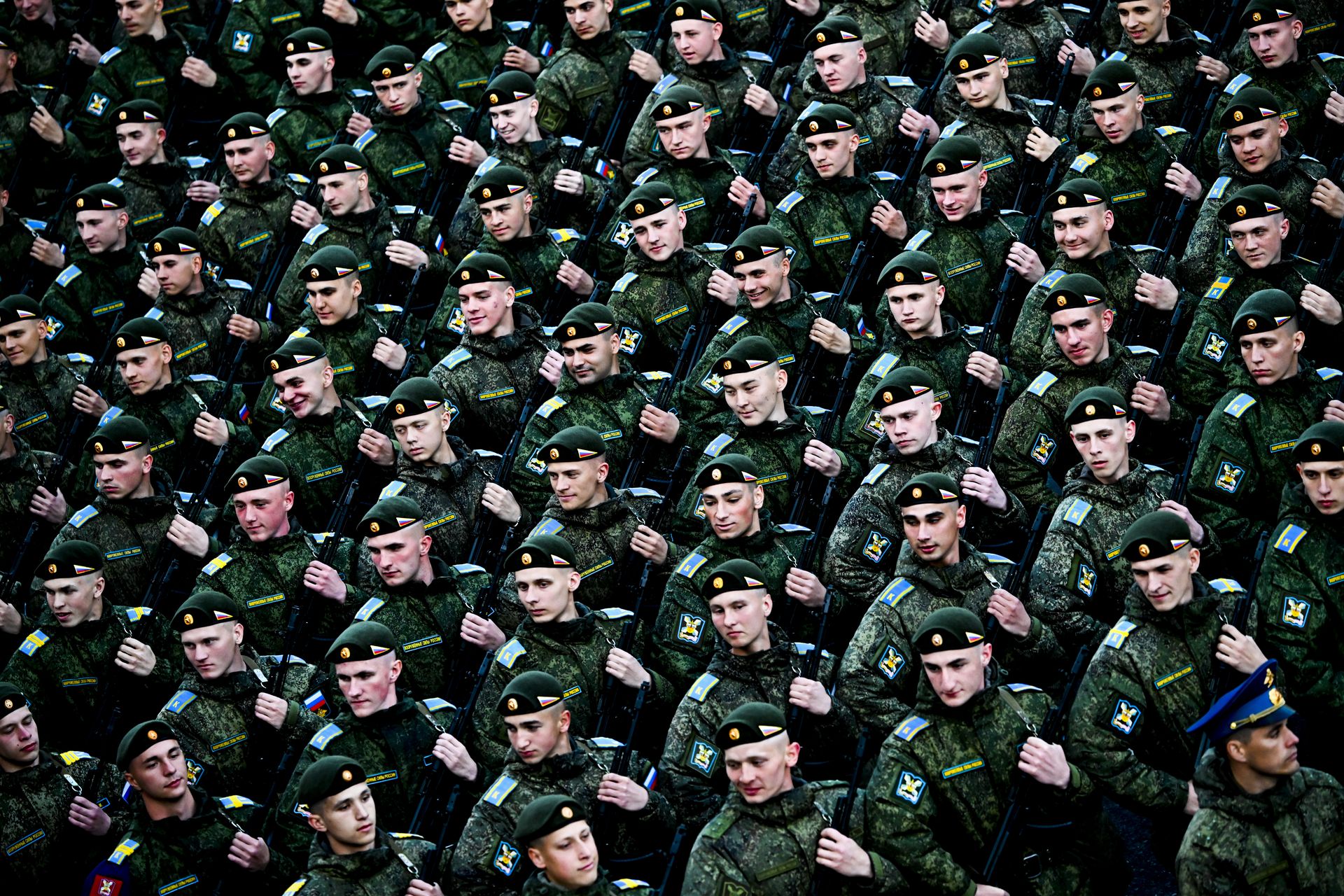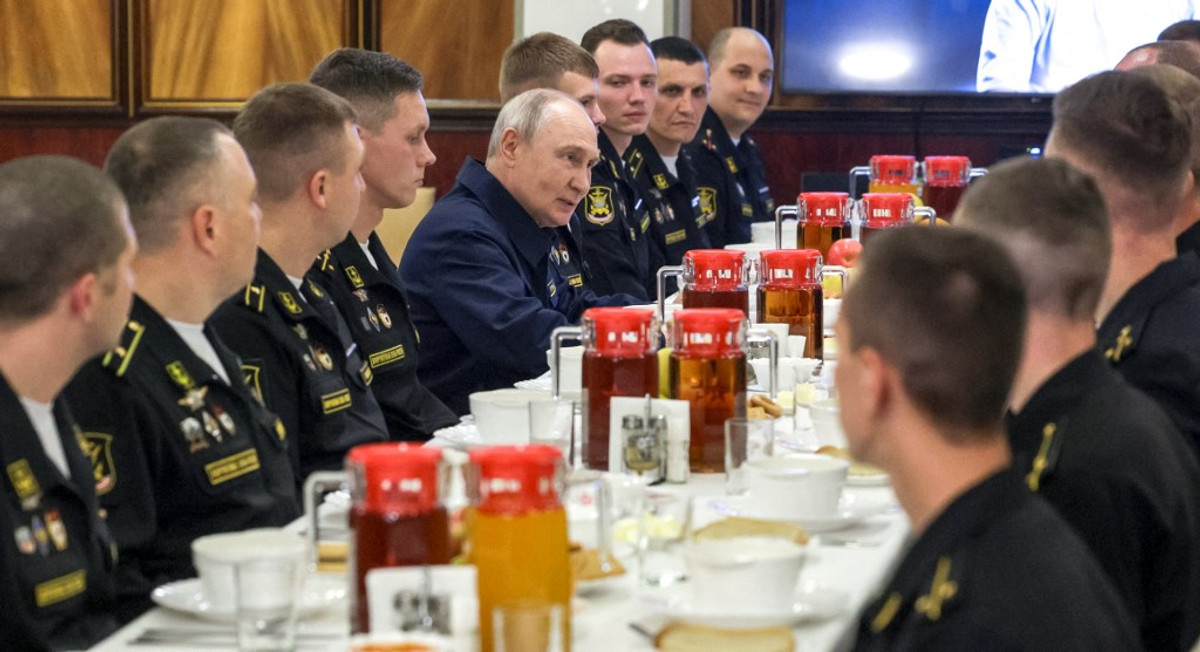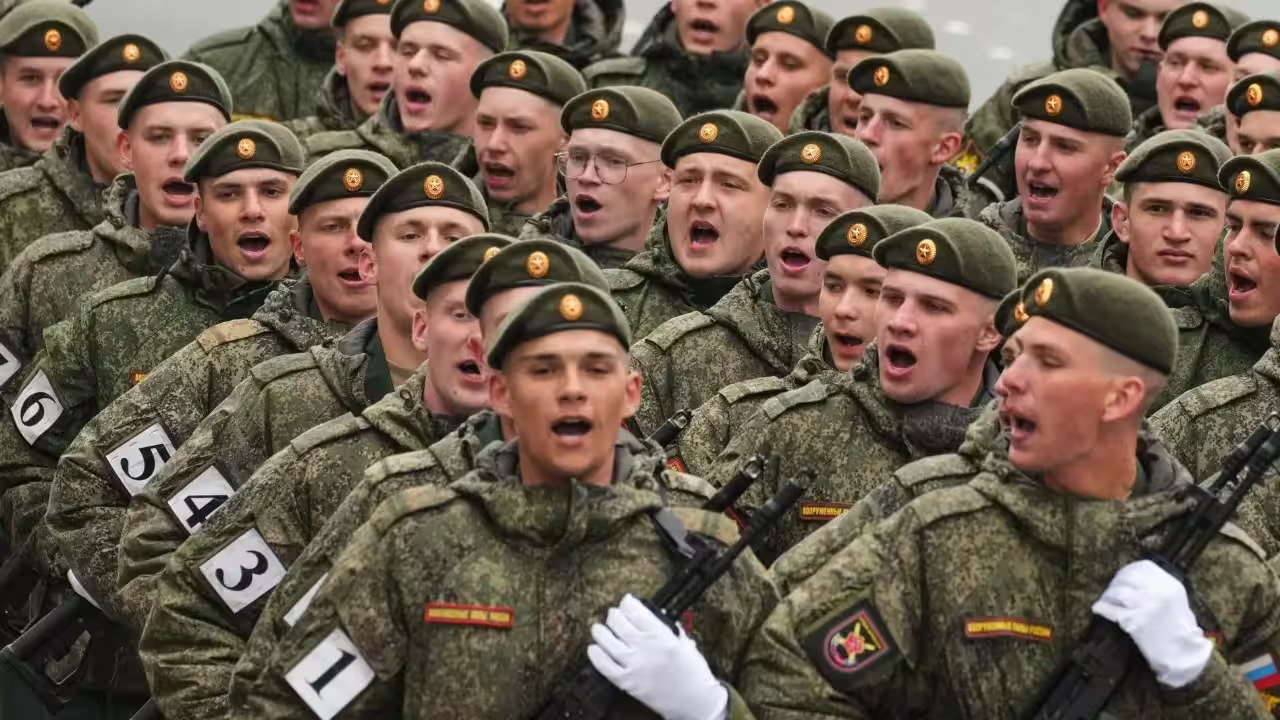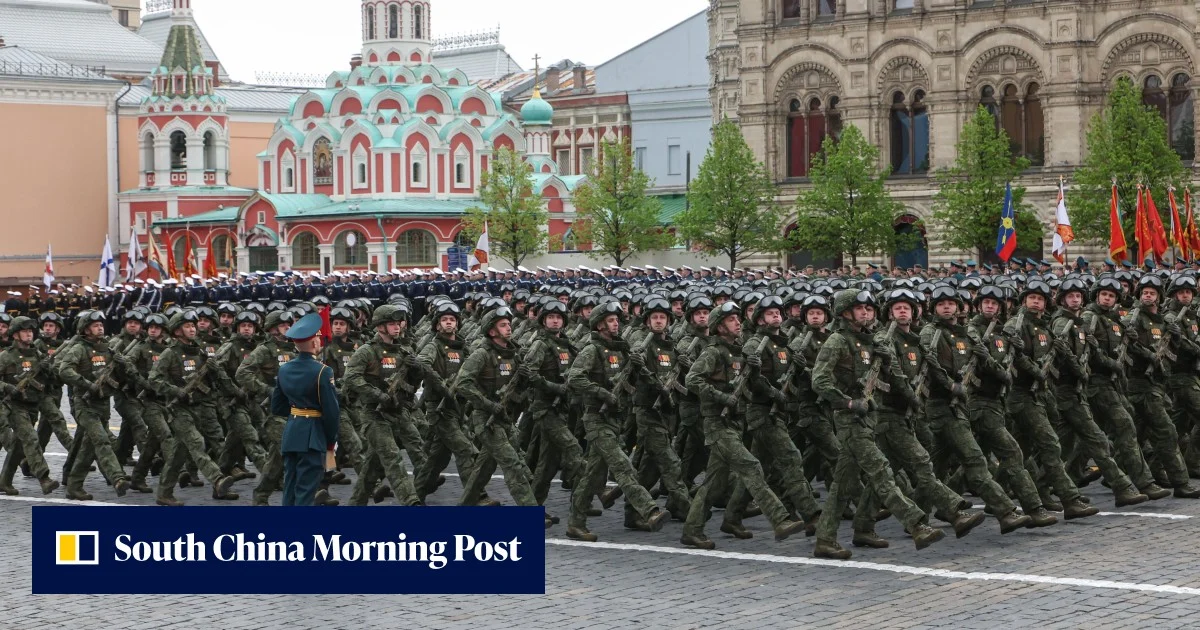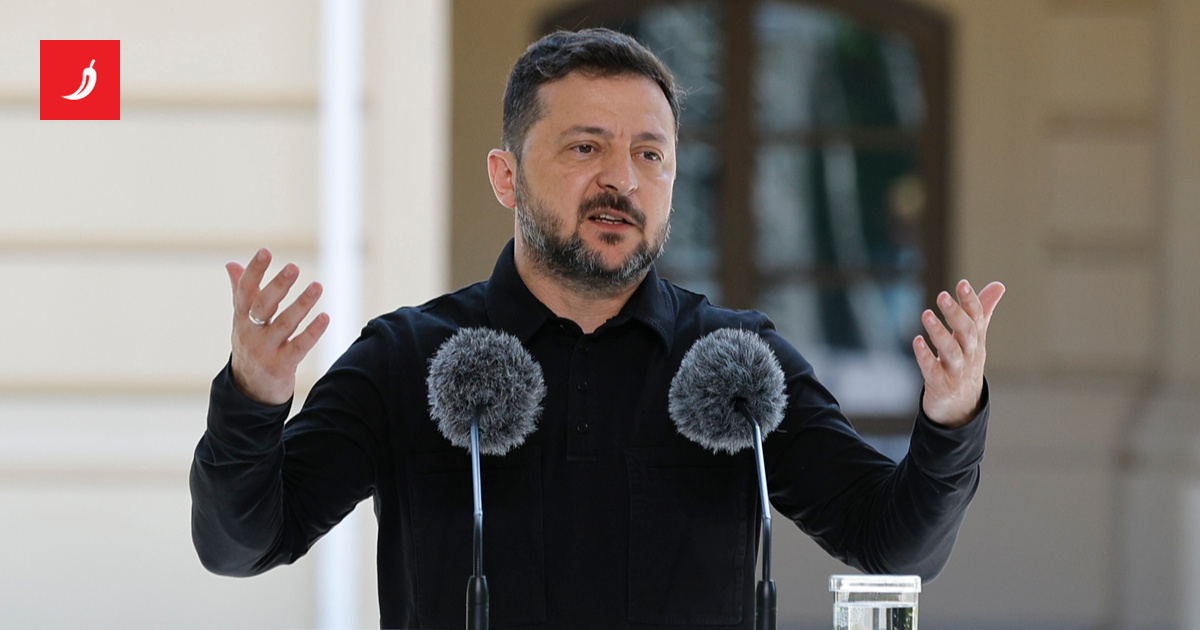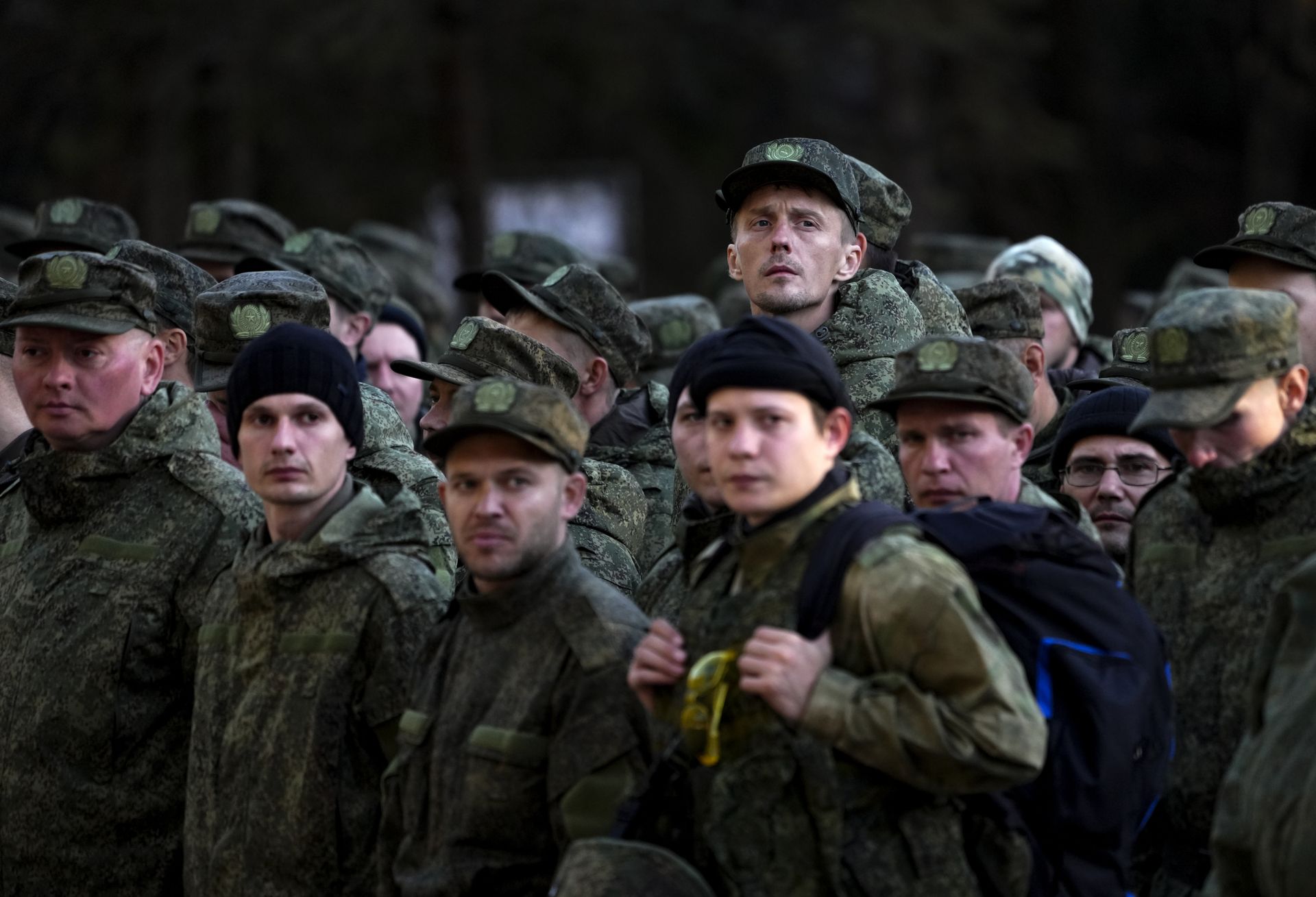
Russia plans to mobilize around 300,000 people after State Duma elections in September, but will do so without touching the country's major cities in an effort to minimize backlash from society, Ukrainian president Volodymyr Zelensky told journalists.Russia's voluntary recruitment system has increasingly struggled to make up for losses on the battlefield, while diminishing returns in Russian offensives on the front line have fuelled talk of a new wave of mobilization in the country.Although baring no resemblence to a real democratic process, the Duma Elections are nonetheless seen as a litmus test for support for president Vladimir Putin's regime, and the Kremlin will wait until after to announce a new draft, Zelensky said.According to Zelensky, the 300,000 mobilized troops will complement existing inflows of recruits into the Russian army, and will either be used to boost Moscow's main offensive effort on the "fortress belt" cities of Donetsk Oblast, or to create new threats in other areas, including Ukraine's northern border.Since Russia's full-scale invasion of Ukraine, Moscow has only once turned to forced mobilization to fill the ranks of its military: in autumn 2022, when successive Ukrainian counteroffensive successes threatened a broader collapse of Russia's defense lines. The move triggered an exodus of hundreds of thousands of Russians from the country, with long lines at border crossing points, particularly at the state border with Georgia.Since then, Putin has famously gone to great lengths to avoid more large-scale forced mobilization, seeing it as a threat to his image as provider of strength and stability to ordinary Russians apathetic to questions of politics and war.Instead, Moscow has relied on lucrative bonuses offered to those who sign a contract, with responsibility resting largely on regional authorities to meet tough recruitment quotas. According to Zelensky, Putin plans to minimize perceived political consequences by focusing mobilization efforts away from the large population centers, especially Moscow and St Petersburg."They are planning for a kind of 'peripheral mobilization,'" the president said."As we understand, it won't happen in the central cities. But I don't think they will succeed in hiding it."
Russia planning 'peripheral' mobilization of 300,000 men after elections, Zelensky says
Russia's voluntary recruitment system has increasingly struggled to make up for losses on the battlefield, while diminishing returns in Russian offensives on the front line have fuelled talk of a new wave of mobilization in the country.
341 words~2 min read