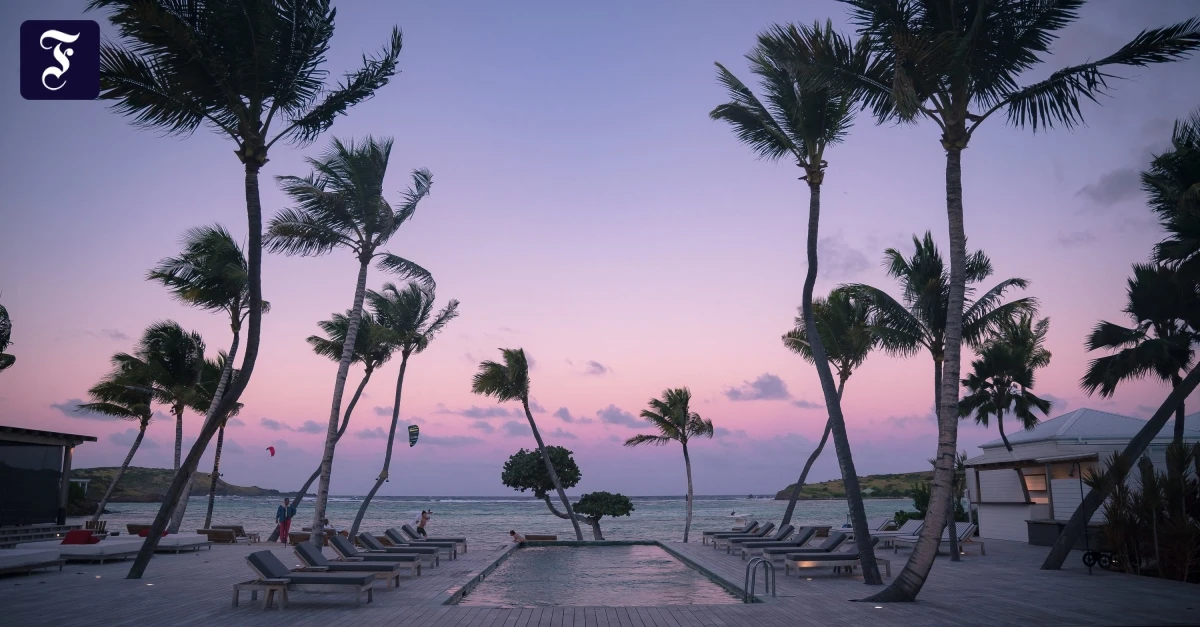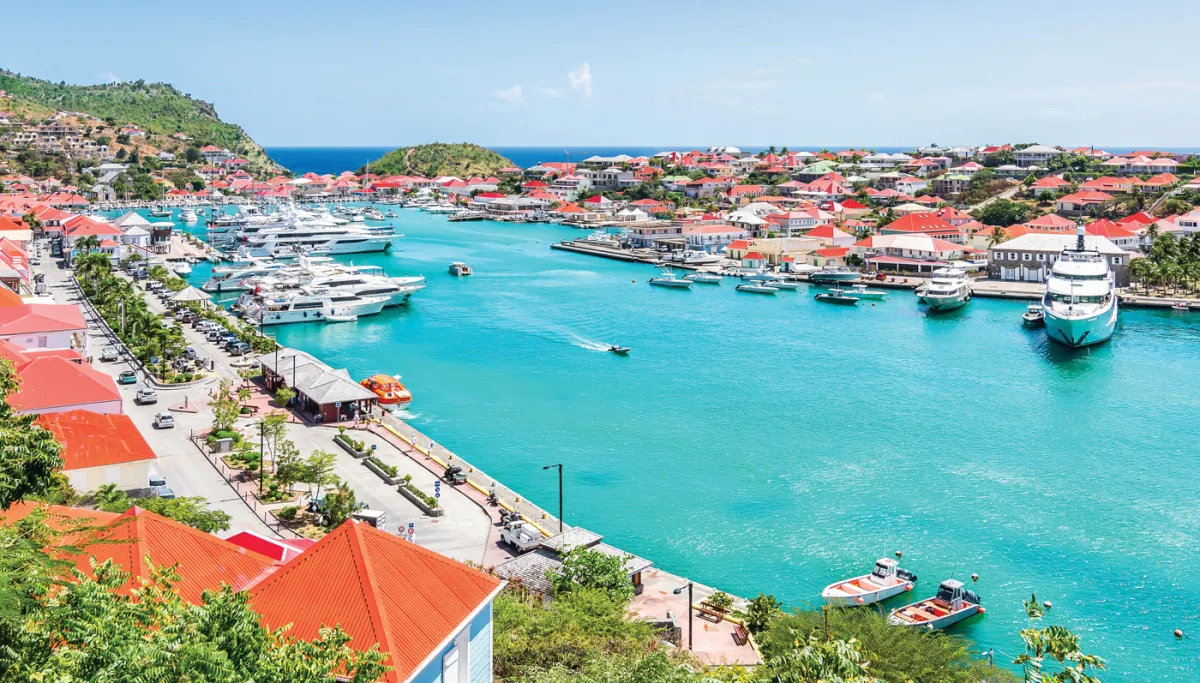
The world is an oligarchic place these days. While the relentless rise in international travel has diminished the traditional exclusivity of some early jet-set destinations, there have emerged several geographic poles where it is increasingly difficult for the common man to gain true access. These include Monaco, Swiss ski resorts such as Gstaad and St. Moritz, and, to a lesser extent, Dubai. Among the most desirable and secluded of these bolt holes for the super-rich (not the mere cosmopolitan wealthy, but the much rarer class of “have yachts”) is the small, French-owned, volcanic island of St. Barthelemy, known colloquially as St. Barth. It can be reached only by sea or by puddle jumper flight from places including St. Martin; there is no golf course, and, quite unusual for the region, its inhabitants are almost exclusively white (St. Martin’s population, just 15 miles away, is conversely almost entirely black).
In Treasured Island: The Story of St. Barth … and Its Barbarians, Billionaires, and Beauties, his colorful, definitive, deeply researched new book, which borders on an oral history, the author (and seasoned St. Barth vacationer) Michael Gross profiles this small, beautiful island and the bizarre personalities who have transformed it from a sleepy, impoverished backwater into the pinnacle of elite luxury.Located just north of St. Kitts and southeast of St. Martin in the West Indies, the 9-square-mile island, with a population of just over 10,000, has a remarkable and little-known history. Christopher Columbus is said to have named it after his brother upon discovering the isle in 1493. It was briefly taken over by the Knights of Malta until a band of seafaring Carib tribes arrived in canoes and massacred them. In 1784, Sweden’s king, Gustav III, traded the island with France in exchange for favorable access to the North Sea port of Gothenburg. At the time, St. Barth’s constituted the entirety of Sweden’s overseas empire; Gustav quickly established a free port and a haven for debtors there. Trade, largely in contraband, soon made the island very rich. By 1800, the capital, renamed Gustavia, had become Sweden’s sixth-largest town, and by 1813, the port had, rather impressively, processed one-fifth of American exports.