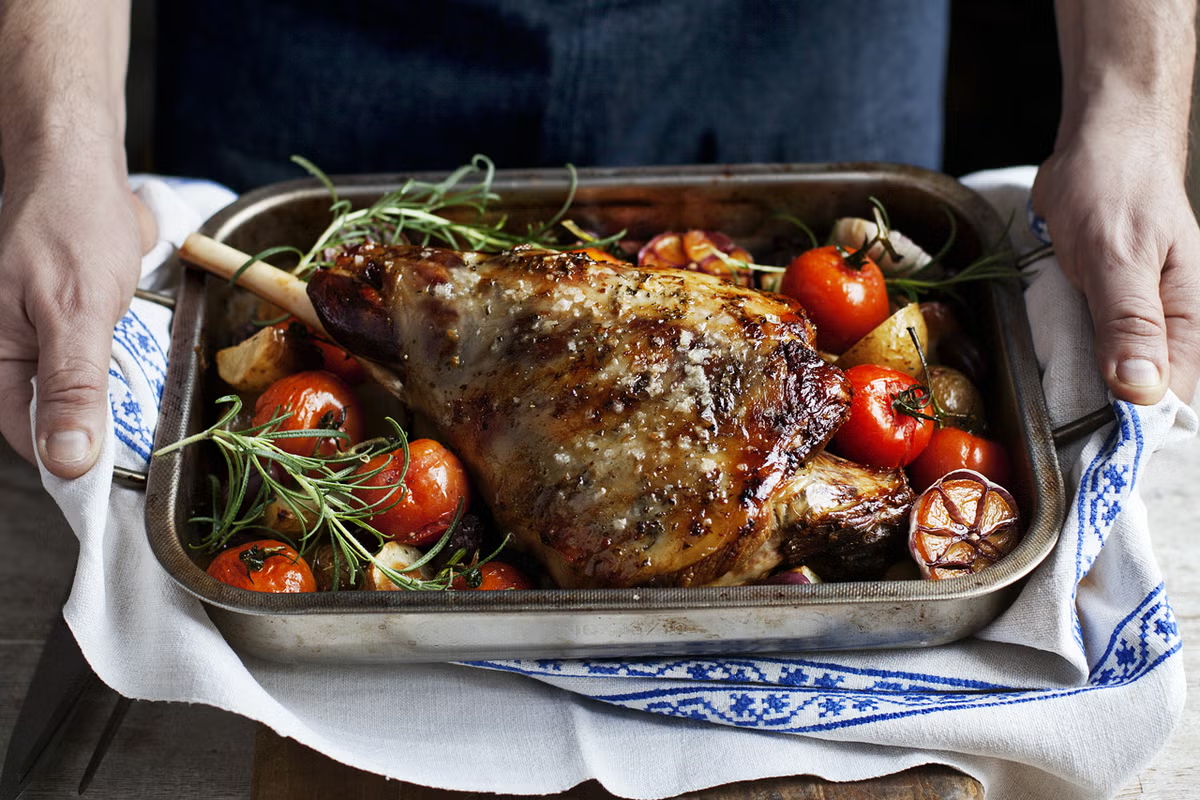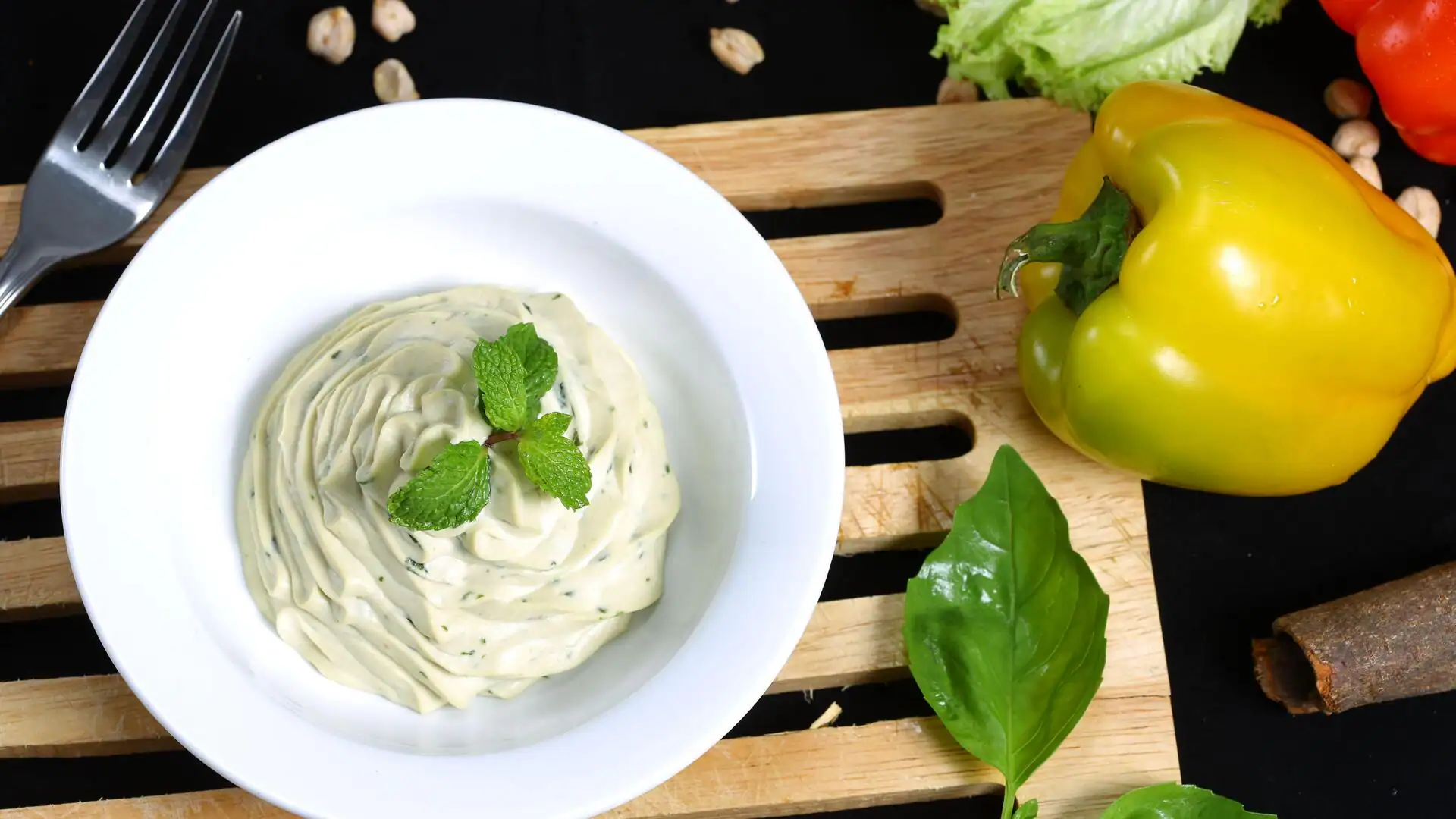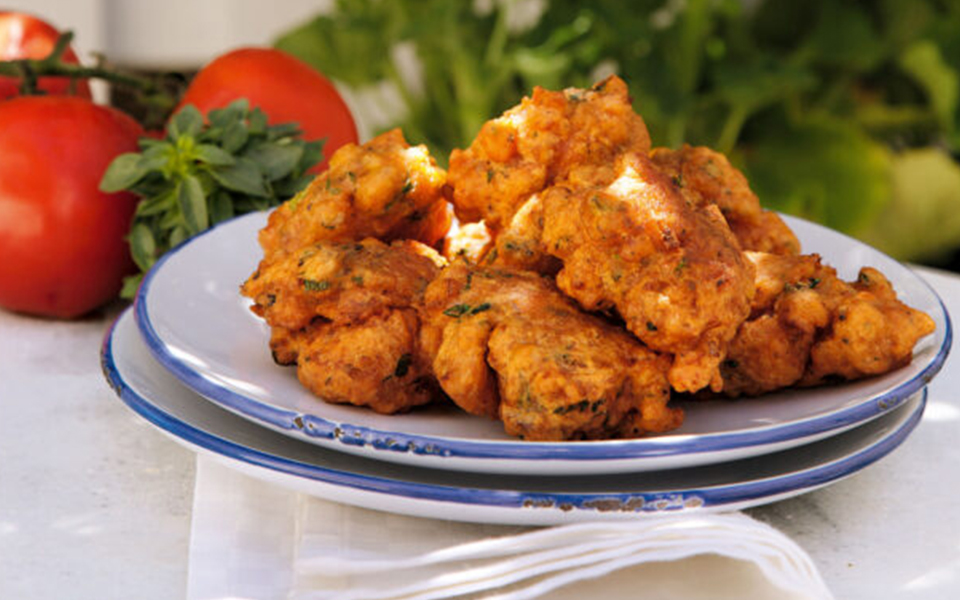
One of the greatest pleasures of traveling in Greece is discovering a cuisine built on simplicity. The country’s best-loved dishes rely on a handful of fresh ingredients, careful technique and generations of tradition rather than elaborate preparation. Many classic recipes begin the same way: finely chopped onion gently sautéed in olive oil before vegetables, legumes or meat are added to the pot.
Despite overtourism and the changes brought by gentrification to many of Greece’s most popular destinations, the country’s agricultural traditions continue to endure. You’ll notice this as you travel through the islands and the mainland, where small gardens, vegetable patches and cultivated fields still survive among whitewashed houses, dry-stone walls and quiet country roads. The small family farms that once supplied not only local households but also nearby tavernas and restaurants are fewer than they used to be, yet many remain. They continue to produce exceptional tomatoes of every variety, fragrant peppers, tender summer zucchini, countless types of eggplant, fava beans, fresh green beans, cucumbers, wild greens, purslane and okra.
These ingredients form the backbone of the Greek summer table. Traditionally, meat was reserved for Sundays and feast days, while vegetables, legumes and dairy products dominated everyday meals. It’s one reason Greece remains an especially rewarding destination for vegetarians.