(Image credit: Shutterstock)
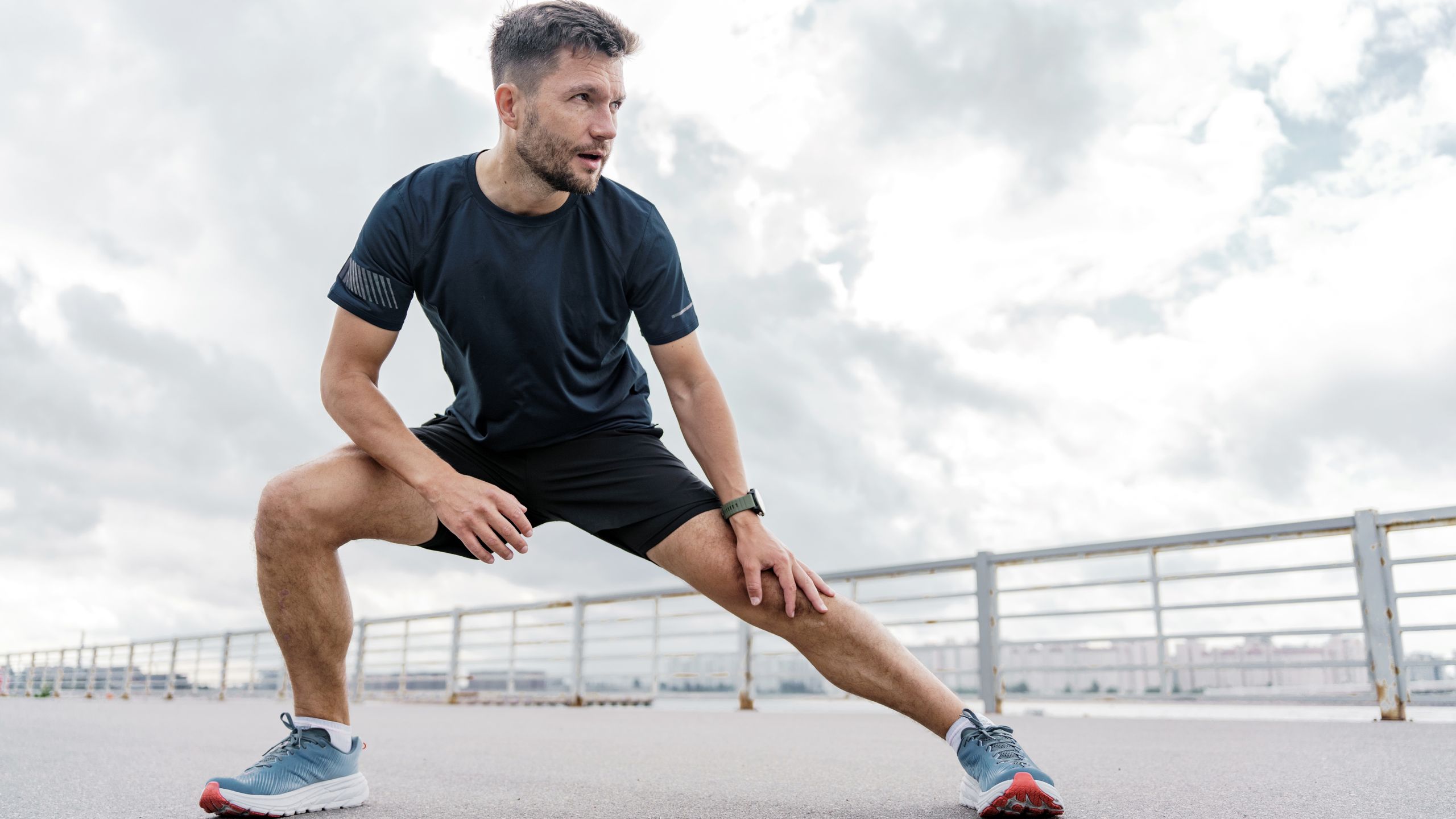
Many of us have sedentary jobs that involve sitting for long periods; even if you're very active and like to exercise, you might be neglecting a very important muscle group without even realizing it: your hip flexors.These muscles are technically part of your core musculature and run along the front of your pelvis between your hips and thighs. Collectively, they quietly perform essential roles for stabilization in the background, and they need to be strong and active to help you avoid injury.As we age, naturally, strength, lean muscle mass and bone density begin to decline, and it becomes even more crucial to build and maintain strength and muscle through the years; otherwise, your balance and mobility could be impacted.If you suspect you might be accidentally neglecting this VIP muscle group, let's discuss how you can strengthen it and the benefits of doing so.What are hip flexors?
(Image credit: Shutterstock)This group of stabilizer muscles at the front of your hips includes the psoas, rectus femoris and iliacus. You might have heard of the iliopsoas, which is the combination of the psoas major (starting at the lower back spine) and the iliacus (at the pelvic bone), which join together to create a unit that assists with hip flexion (lifting your knee and leg upward toward your torso), posture (stabilizing the spine and pelvis) and trunk flexion.When we sit for long periods, these muscles can become tight and shorten, which can limit mobility and cause pain, especially if they become weaker over time.When we sit for long periods, these muscles can become tight and shorten, which can limit mobility and cause pain, especially if they become weaker over time.Research published in the Archives of Gerontology and Geriatrics assessed the role of hip flexors in the physical wellbeing of older adults. Those with weaker hip flexors showed a decline in overall physical function, meaning how the body moves and handles stress.Get instant access to breaking news, the hottest reviews, great deals and helpful tips.However, weak or tight hip flexors impact people of any age and can contribute to a performance decline for exercisers, especially athletes such as soccer players and runners. Even simple, functional tasks like climbing the stairs or walking can become more difficult, which is why building strong hip flexors will also improve functional fitness.As a personal trainer, I see people dealing with tight, weak hips all the time. Not only does it reduce their overall range of motion, but it also contributes to lower back pain, limits how they exercise or stretch, and creates imbalances and limitations during movements like squats, lunges and deadlifts.A series of hip strengthening exercises and mobility routines performed several times a week can be helpful for stretching, mobilizing and building strength in your hip flexors, but I also recommend targeting your lower back, hamstrings, adductors (inner thighs) and glutes, too, as all of these muscles play a role in stability, posture and injury prevention.What are the benefits of strong hip flexors?