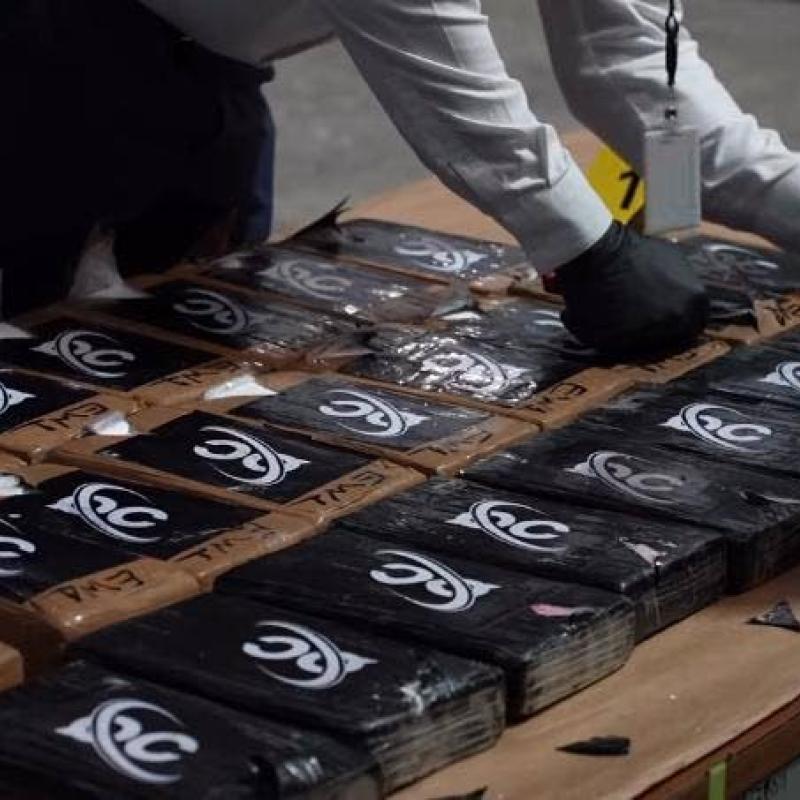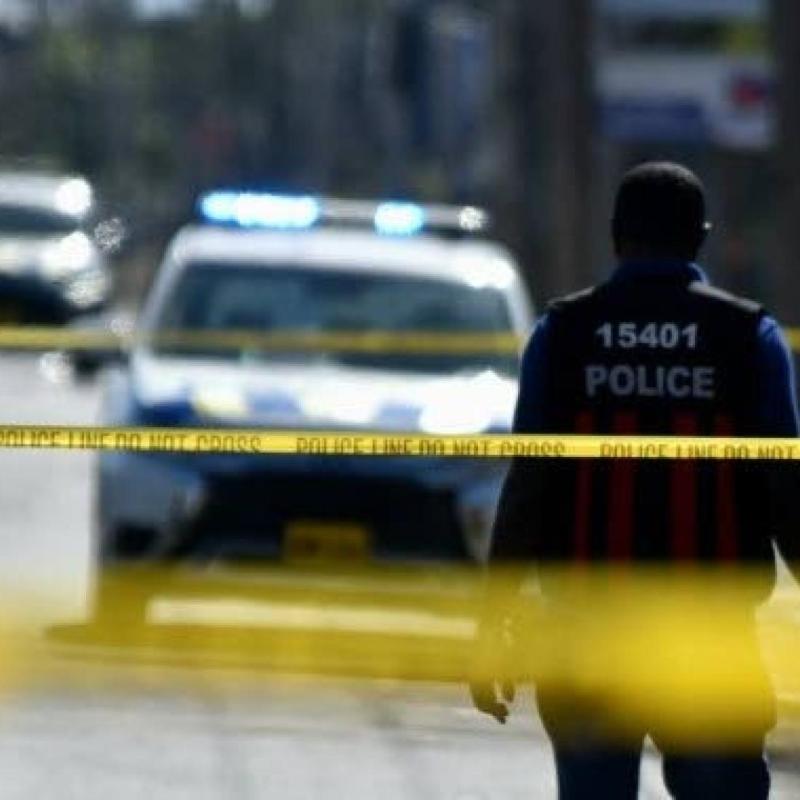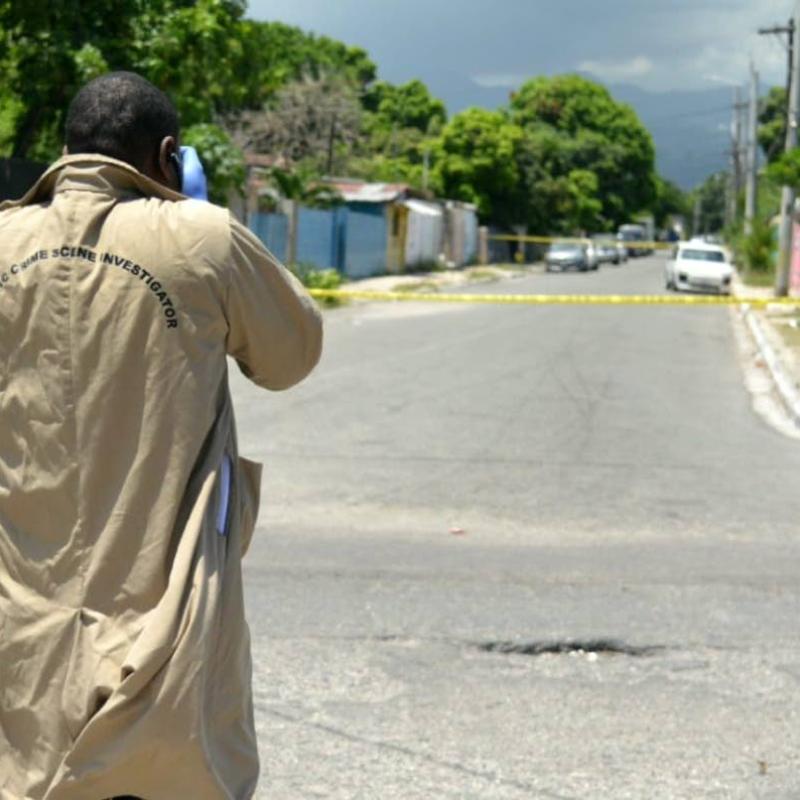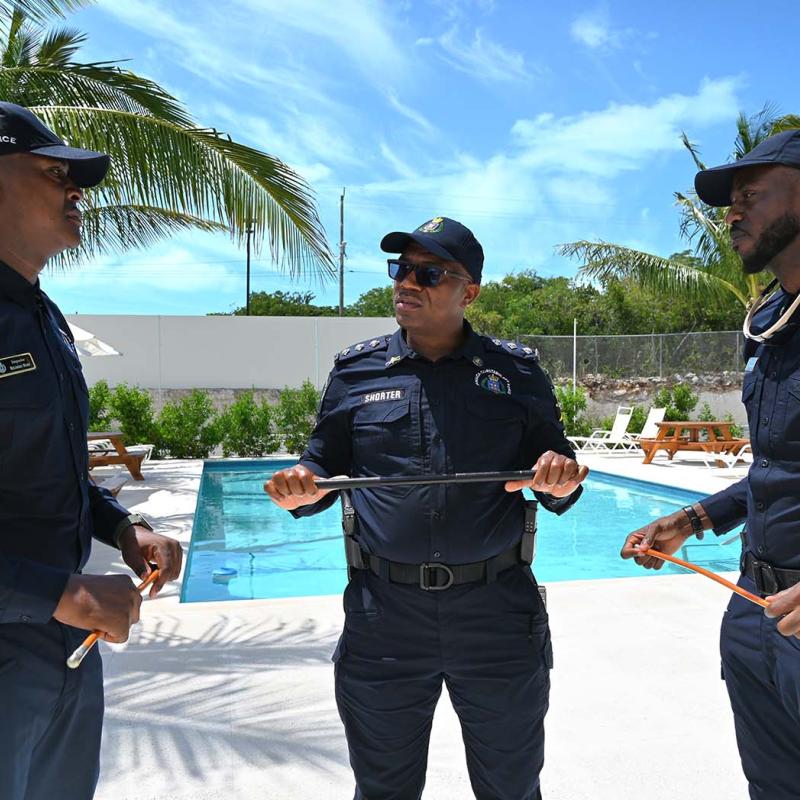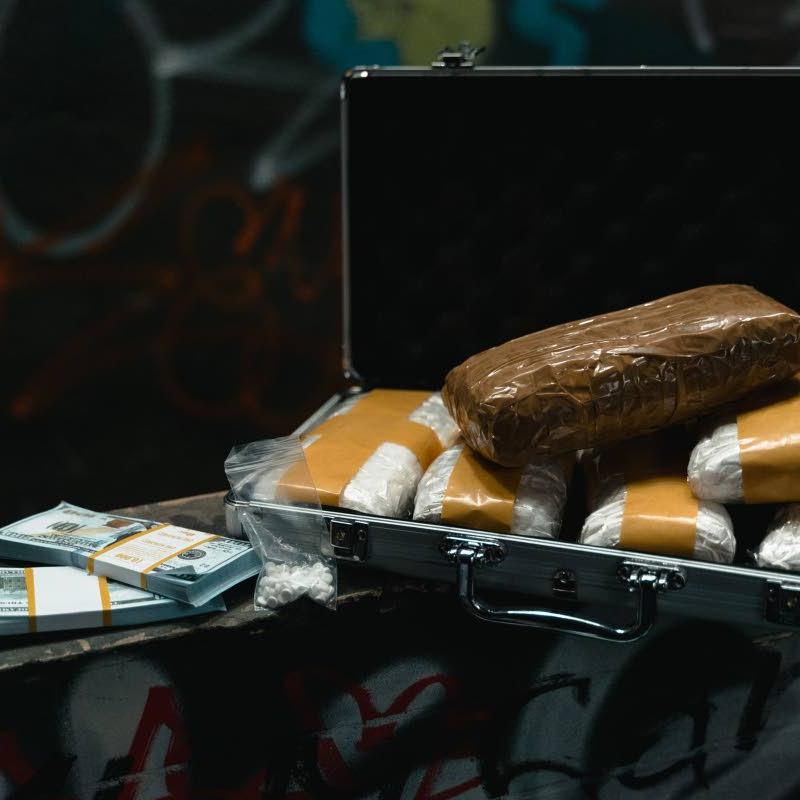
For many years, Jamaica has grappled with an unacceptably high homicide rate. In 2005, our murder rate peaked at 63 per 100,000, placing Jamaica among countries with the highest homicide rates in the world. However, over the past decade, Jamaica has made significant progress. That progress has not come easily. It required stronger legislation, sustained investment in our security architecture, and a fundamental reorientation towards social investment. Since 2022, Jamaica has recorded a significant and sustained decline in murders. In 2025, the country recorded its lowest annual murder count in more than three decades. That trend has continued into 2026, with murders down by 20 per cent since the start of the year, at the time of writing. A THREAT I TAKE PERSONALLY As minister of national security and peace, not only do I have a responsibility to preserve this progress, but I have a deep personal investment in doing so. For years, I have represented a constituency where violent crime has claimed far too many lives. I have stood with families in the aftermath of murders and seen first-hand the devastation that violence leaves behind. There were times when over the course of a single weekend, I would encounter multiple bodies on the ground in the communities I represent. Happily, those days are well behind us. But it is from those experiences that I view the current resurgence in cocaine trafficking with particular concern. There are clear signs that Jamaica is once again being used as a transshipment point for cocaine destined for lucrative markets in Europe, the United Kingdom, the United States, and as far away as Australia. However, this is not simply a narcotics problem. It is a developing national security threat, with the potential to undermine the hard-won gains we have made against violent crime. THE SCALE OF THE RESURGENCE The huge increase in the quantity of cocaine seized this year is not just unprecedented but very concerning. Local law-enforcement agencies have seized more than 7,200 kilogrammes of cocaine since the beginning of 2026. This compares with seizures in 2025 of 1,378 kilogrammes, 2,508 kilogrammes in 2024, and 1,682 kilogrammes in 2023. Between August 5 and 7, alone, three separate transshipment containers were intercepted during multiagency operations at the Kingston Freeport Terminal. This yielded a combined quantity of 2,067 kilogrammes of cocaine. This level of seizure has never been seen at our ports before. And while these seizures demonstrate the effectiveness and vigilance of our law-enforcement agencies, they provide a stark indication of the scale of the trafficking problem we are currently up against. CORRUPT INFLUENCE The economics of the cocaine trade make the threat even more serious. The value of cocaine increases substantially in destination markets, creating enormous incentives for organised criminal networks. At current estimated market values, the most recent seizures could have easily generated the equivalent of about J$22 billion in overseas proceeds. Criminal organisations with access to this level of wealth can do enormous damage. They can corrupt institutions, compromise individuals, and penetrate legitimate businesses. They will seek to exploit persons with legitimate access to our ports and other critical infrastructure in order to facilitate the movement of their illicit cargo. This is why the integrity of our ports is a matter of national security. Our ports are essential to Jamaica’s economy. They facilitate legitimate commerce, create employment, and connect us to international markets. They cannot be allowed to become conduits for transnational criminal organisations. The contamination of legitimate shipments strikes at the integrity and reputation of our logistics sector and could have serious economic consequences for Jamaica. FROM COCAINE TO VIOLENCE The consequences can be felt far beyond our ports – in our communities. The cocaine trade generates vast criminal proceeds that can finance money laundering, firearms trafficking, and other forms of organised crime. Competition over drug routes, markets, and profits can fuel both intra- and inter-gang conflict among syndicates. This is where the cocaine trade can become directly connected to the violence we have spent years working to reduce. The experience of the past has shown us that the international narcotics trade can have a profound effect on Jamaica’s local criminal landscape. We must, therefore, not wait for any resurgence in drug-related violence before recognising the danger. The situation at our seaports is not the only warning sign. Additionally, we are seeing more frequent cocaine seizures at our airports, while overseas authorities are increasingly intercepting cocaine shipments linked to Jamaica. These developments, when taken together, point to a trafficking environment that demands an urgent and coordinated response. REGIONAL AND INTERNATIONAL RESPONSE Jamaica will continue to work closely with our traditional American, British, and Canadian (ABC) partners. However, the scale and complexity of the threat demand deeper cooperation across the wider Latin American and Caribbean region as well as with both source and destination countries. Criminal networks do not respect national borders, and our security response cannot be constrained by them. We must increasingly view the region as a shared security space and strengthen collaborative mechanisms to disrupt trafficking networks at every stage of their operations. At the same time, we must ensure that individuals who facilitate the movement of illicit drugs from within legitimate institutions are identified, held accountable, and made to face the full force of the law. PROTECTING HARD-WON GAINS The Government will continue to strengthen security and surveillance at our seaports and airports while targeting the key players involved. At the territorial level, our security forces, through a holistic approach, have achieved tremendous success in tackling criminal networks while remaining firmly within the bounds of our Constitution. This is a point that cannot be overemphasized. The gains Jamaica has made in reducing violent crime have not only garnered international attention but are too crucial for the country to take for granted. We have worked too hard and made too much progress to allow the cocaine trade to undermine our hard-won advances in peace and security. We must, therefore, act decisively. We must strengthen our regional and international partnerships, protect the integrity of our institutions, and dismantle the networks seeking to use Jamaica as a gateway for the illicit drug trade. Our hard-won gains must not only be protected. They must be strengthened and secured for the generations that will come after us. Dr Horace Chang is Jamaica’s deputy prime minister and minister of national security. He is also the member of parliament for North West St James. Send feedback to securityminister@mns.gov.jm
Horace Chang | Cocaine resurgence threatening hard-won gains
For many years, Jamaica has grappled with an unacceptably high homicide rate. In 2005, our murder rate peaked at 63 per 100,000, placing Jamaica among countries with the highest homicide rates in the world. However, over the past decade, Jamaica has made significant progress. That progress has not come easily. It required stronger legislation, sustained investment in our security architecture, and a fundamental reorientation towards social investment.
1,074 words~5 min read