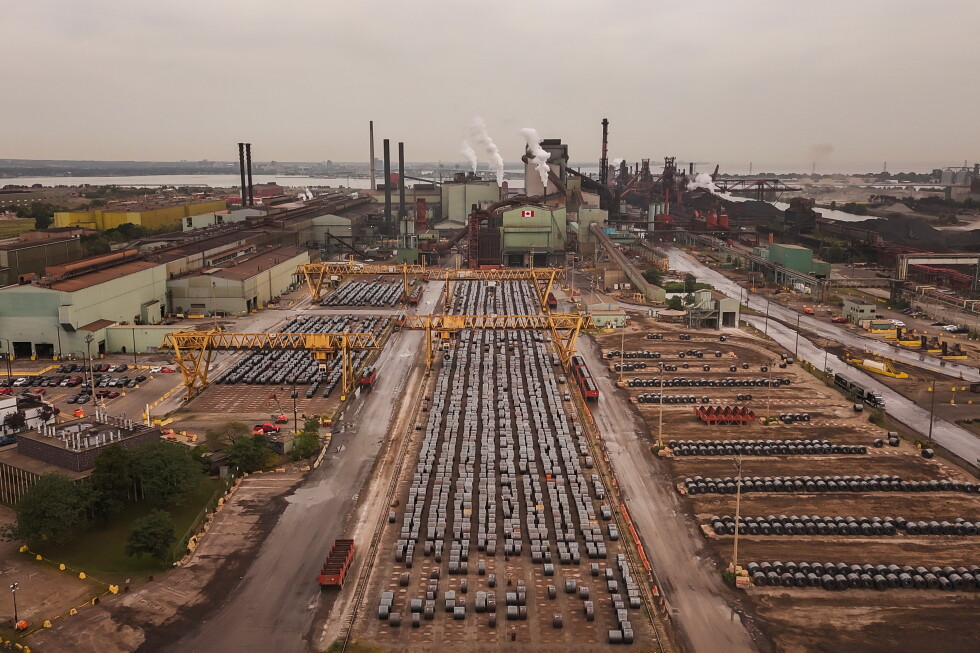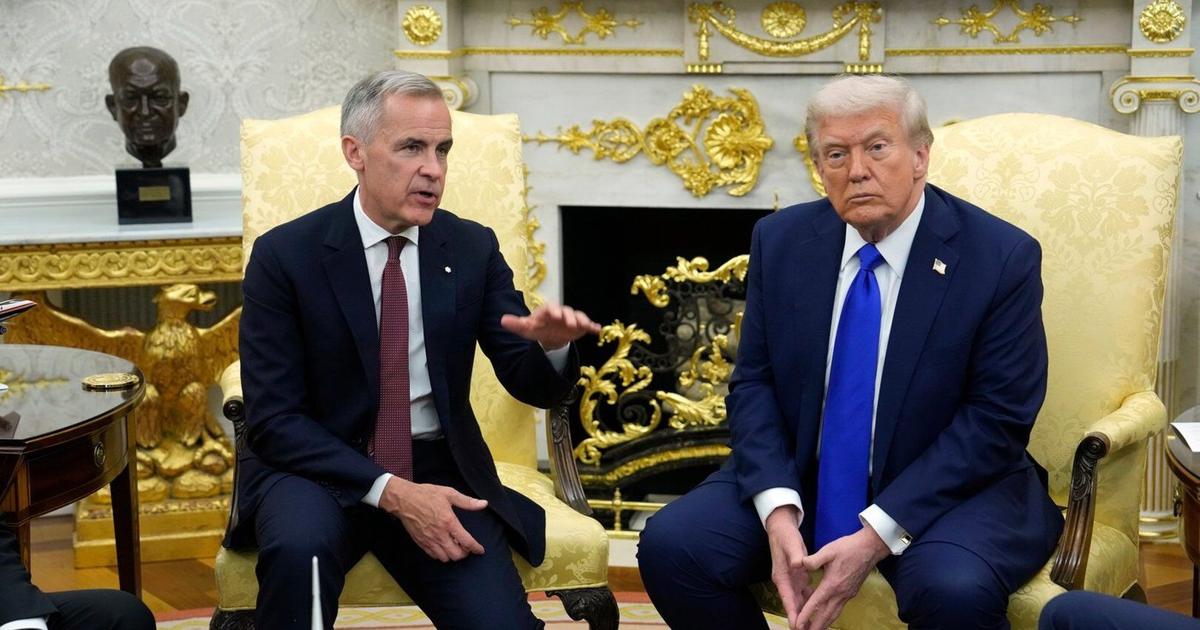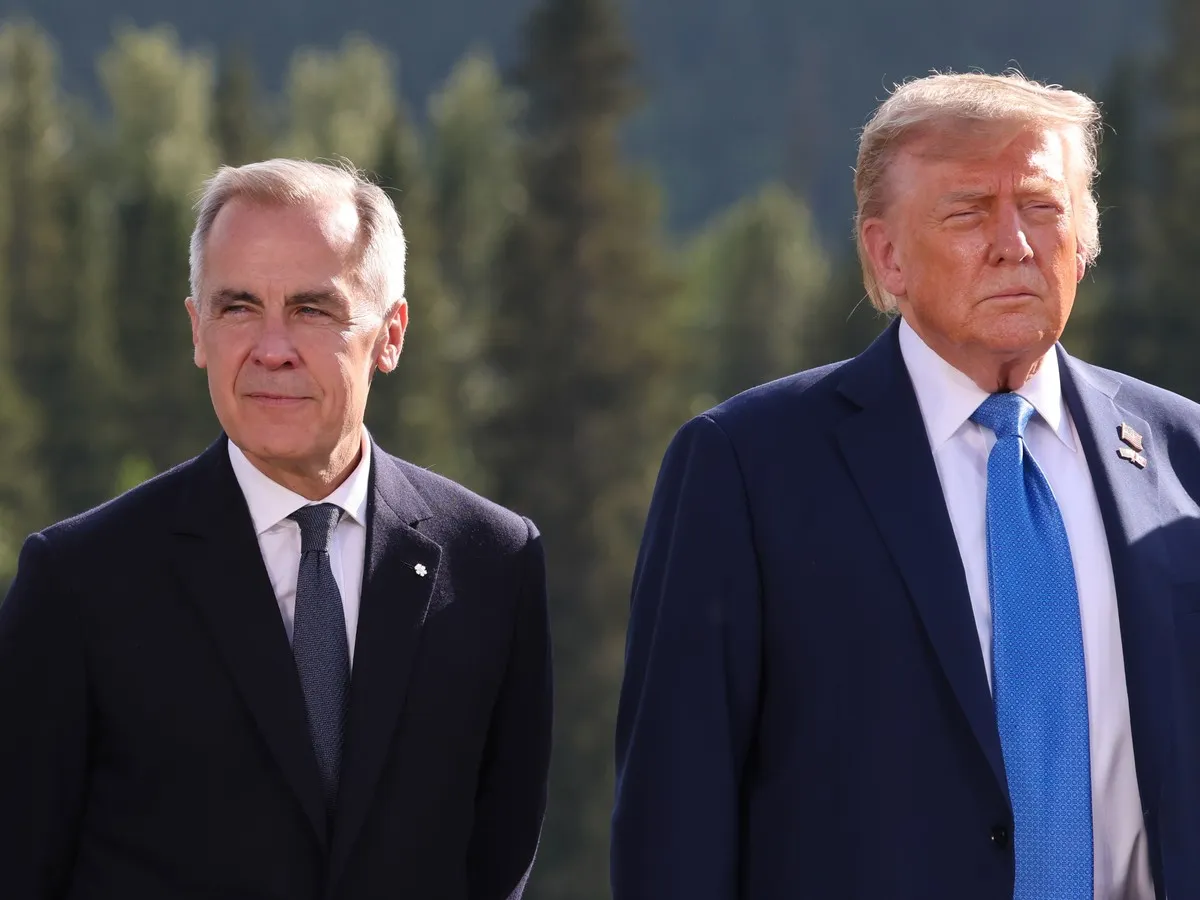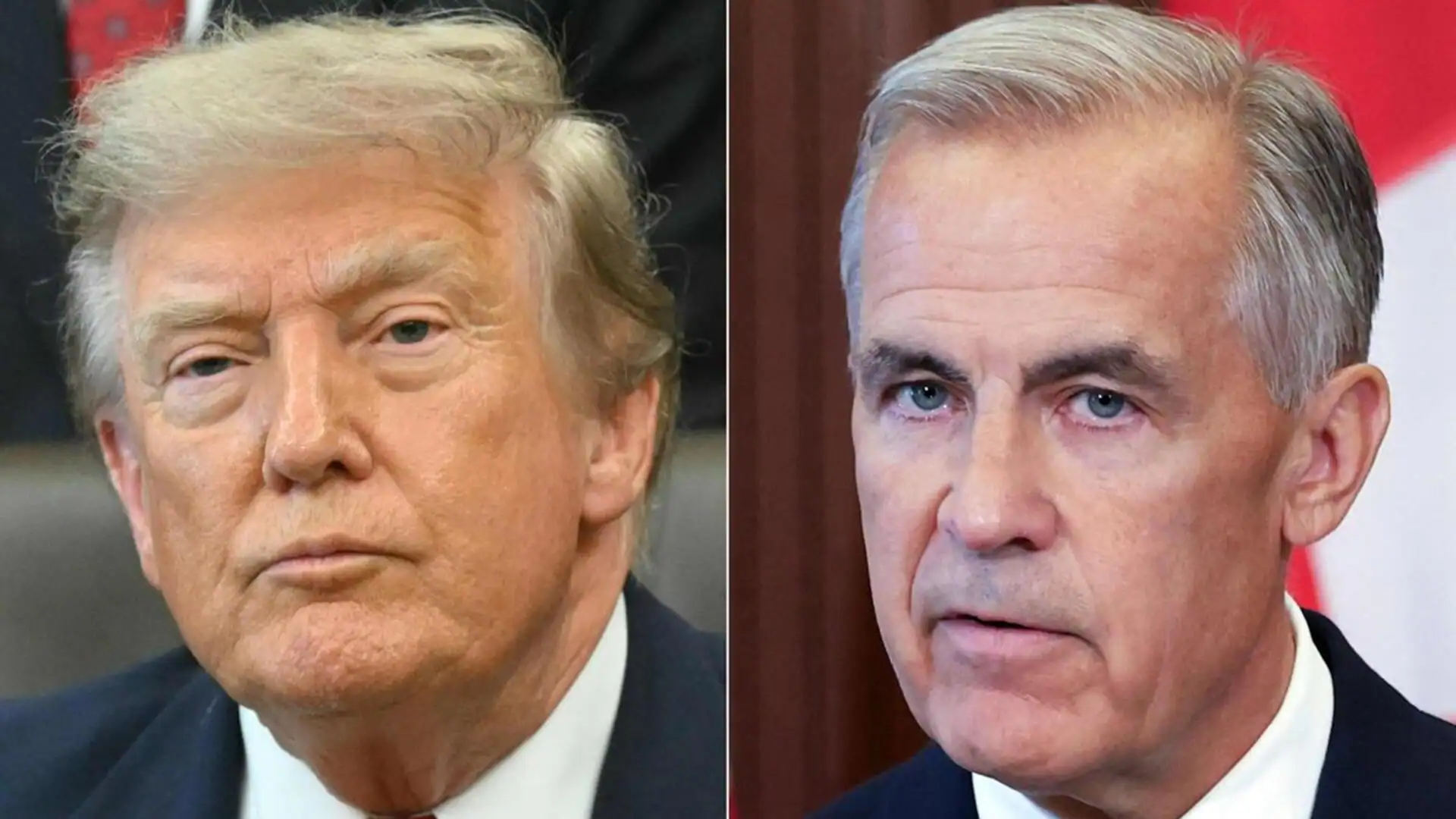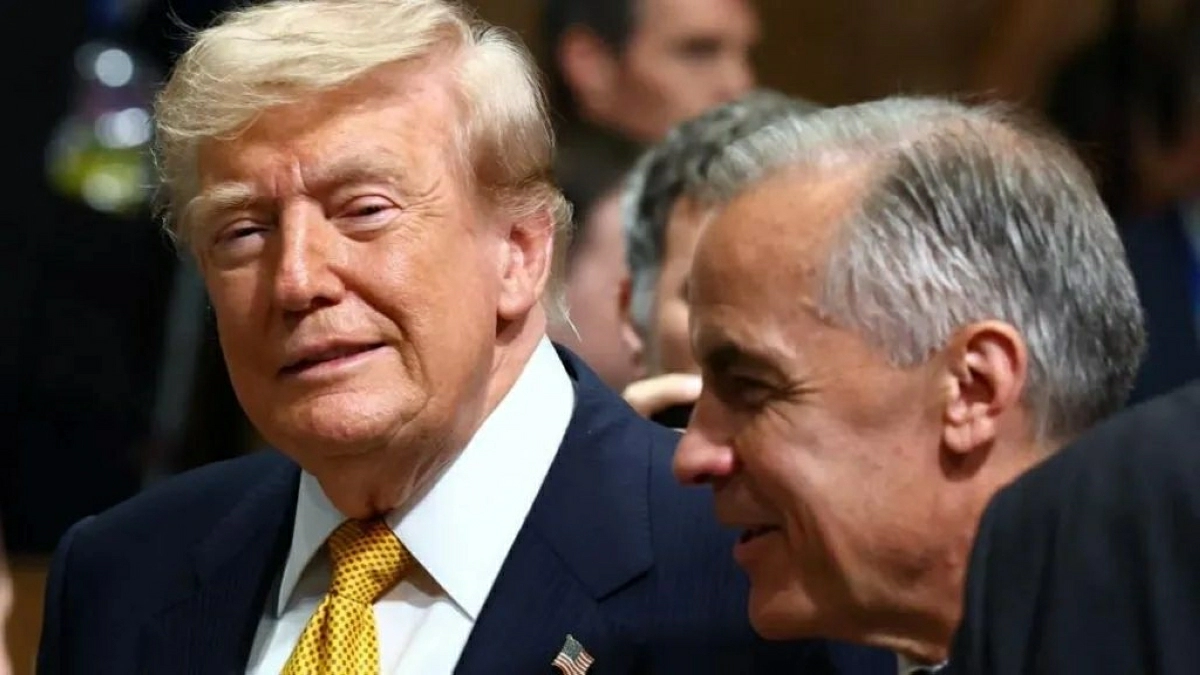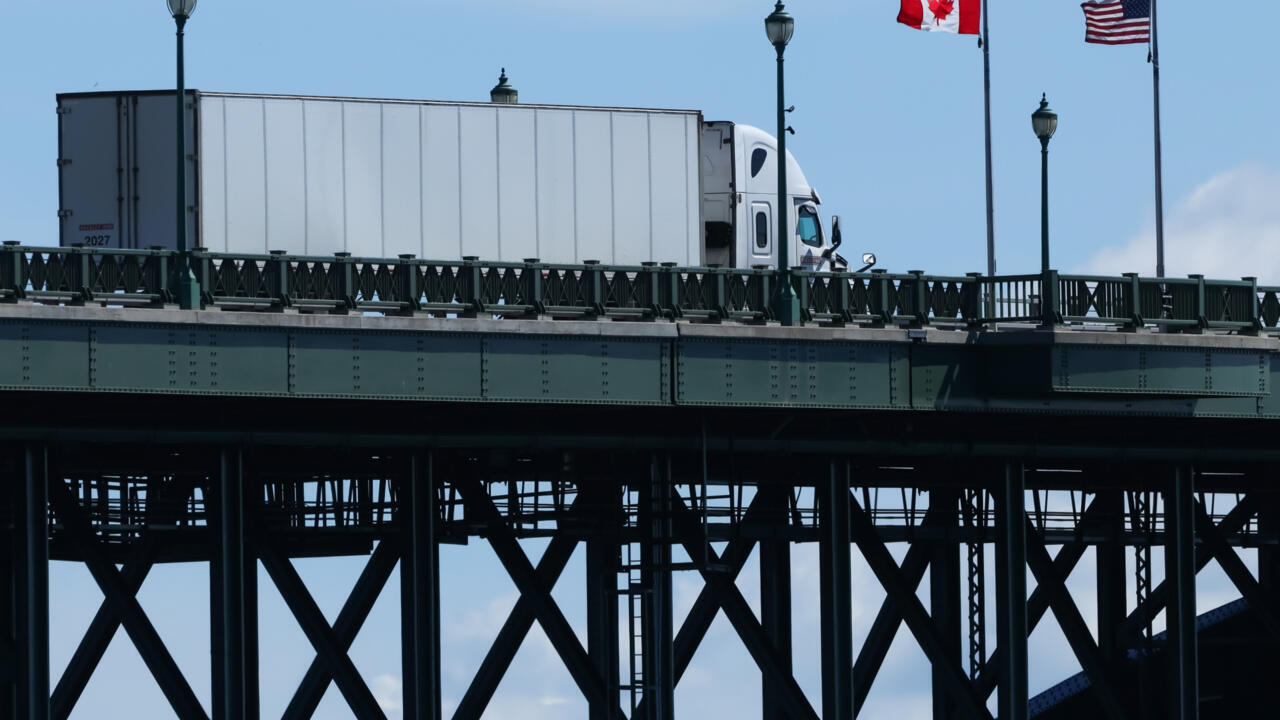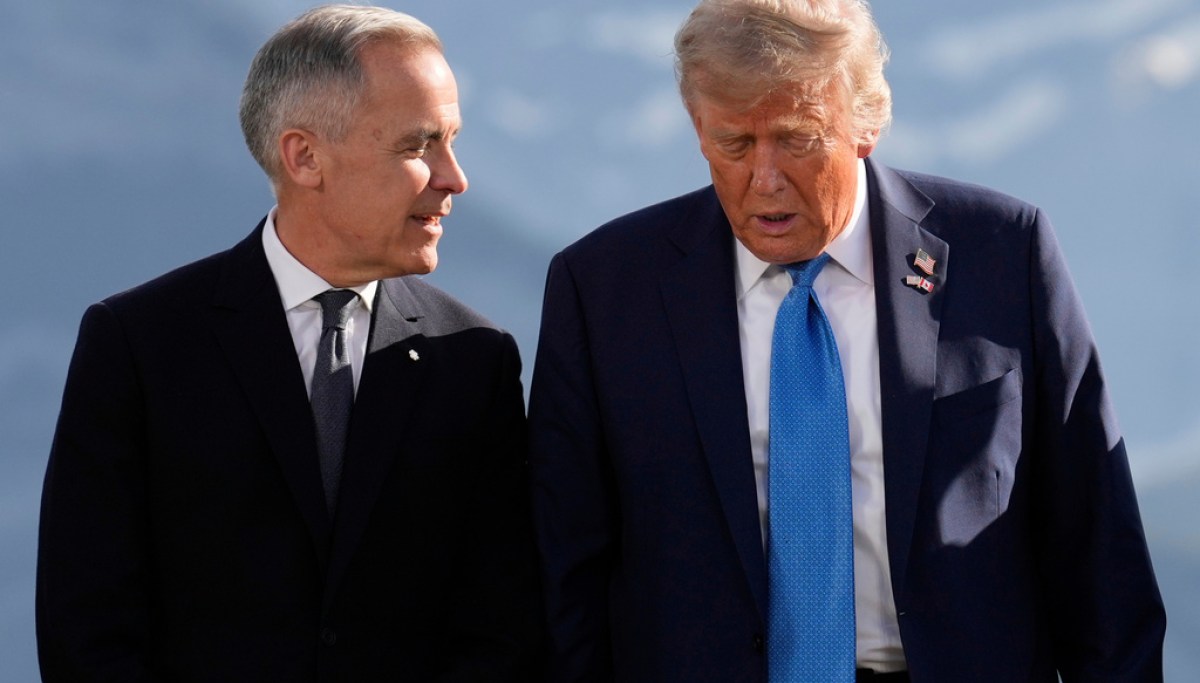
US President Donald Trump's barrage of tariffs — and repeated threats of even steeper levies — has placed unprecedented strain on the United States' longstanding relationship with Canada.Since returning to office for a second term, Trump has targeted Canadian imports with successive tariffs while also questioning the country's sovereignty, at one point suggesting Canada could become the "51st state." The rhetoric, coupled with a series of on-again, off-again tariff announcements, has drawn sharp reactions in Canada and prompted retaliatory measures from Ottawa.The latest escalation came after the United States imposed 50% tariffs on about $20 billion worth of Canadian imports following the collapse of last-minute negotiations. Canadian Prime Minister Mark Carney has pledged to respond with matching tariffs.Here is a timeline of how US-Canada trade relations reached this point.January-March 2025: 'Trafficking tariffs' and retaliationOn his first day back in office, Trump said he expected to impose 25% tariffs on imports from Canada.He later signed an executive order imposing 25% tariffs on Canadian goods from February 4, invoking emergency powers over concerns related to undocumented immigration and drug trafficking. Then Canadian Prime Minister Justin Trudeau vowed retaliatory action.The tariffs were soon delayed, temporarily easing tensions. Trump agreed to a 30-day pause, before more limited levies took effect on March 4. Within days, the administration announced additional exemptions for automakers and postponed the broader 25% tariff for goods compliant with the US-Mexico-Canada Agreement, or USMCA.Canada, however, was still hit by Trump's global tariffs on steel and aluminium imports, which were set at 25%. Ottawa responded with retaliatory tariffs worth C$29.8 billion ($20.7 billion) on US goods.April-June 2025: More tariffs and legal challengesTrump announced sweeping "reciprocal" tariffs on nearly all US trading partners on April 2 but did not impose additional country-specific levies on Canada at the time.The tariffs soon faced legal challenges. In late May, the US Court of International Trade ruled that Trump had exceeded his authority in imposing some of the levies under emergency powers, although a federal appeals court temporarily halted the ruling.Separate sector-specific tariffs continued to add pressure. Trump's 25% tariffs on imported automobiles took effect in April, prompting Carney to impose a matching 25% tariff on non-USMCA-compliant vehicles imported from the United States.In June, the US doubled tariffs on most foreign steel and aluminium imports to 50%. Carney threatened retaliatory measures against US metals from July unless trade talks made progress.Negotiations briefly stalled after Trump criticised Canada's planned tax on large technology companies. Carney subsequently backed away from the proposal, helping keep discussions alive.July-October 2025: Talks swing between escalation and compromiseTrade tensions intensified in the second half of 2025. Trump threatened and then imposed a higher 35% tariff on a range of Canadian goods from August 1. A separate 50% tariff on imported copper also took effect the same day.Later that month, Carney said Canada would remove several retaliatory tariffs to align with US exemptions for goods covered by the USMCA. Critics described the move as a concession to Washington, but Carney argued that it could help revive trade negotiations.The Trump administration continued to expand its tariff agenda globally and ended the "de minimis" exemption for low-value imports on August 29.By October, Carney was outlining a strategy to double Canada's non-US exports over the next decade, citing the economic impact of Trump's trade policies.Relations deteriorated further after Trump objected to a Canadian television advertisement opposing US tariffs and suspended trade talks. Ontario Premier Doug Ford, whose provincial government had funded the campaign, later agreed to withdraw the advertisement in an effort to revive negotiations. Trump nevertheless threatened an additional 10% tariff.November 2025-February 2026: Tariffs face a Supreme Court setbackTrump's use of emergency powers to impose tariffs eventually reached the US Supreme Court, which heard arguments in November.In February, the court struck down the import taxes in a 6-3 ruling, including country-specific tariffs imposed on Canada. Trump quickly moved to introduce a temporary 10% global tariff under a different legal authority.Relations between Washington and Ottawa had already been worsening.In January, Carney sought to strengthen Canada's trade ties with China and agreed to reduce Canadian tariffs on Chinese electric vehicles. Trump responded by threatening a 100% tariff on Canadian goods if Ottawa pursued a broader trade agreement with Beijing, although the measure was never imposed.Trump also threatened a 50% tariff on Canadian aircraft sold in the United States and separately warned that he could block the opening of a Canadian-built bridge across the Detroit River. Neither threat was ultimately carried out.March-August 2026: USMCA uncertainty and a brief dealNegotiations over the future of the USMCA began in March. Ahead of the agreement's July 1 review, Canada pushed for the pact to be renewed for another 16 years.The United States, however, said it was not prepared to commit to such a long extension. The existing agreement will therefore remain in force until at least its scheduled 2036 expiry.Trade tensions escalated again in July when Trump threatened to impose 50% tariffs on a wide range of Canadian goods, including products that had previously been protected under the USMCA. Trump accused Canada of unfairly discriminating against US automobiles, alcohol and dairy products.The tariffs were initially scheduled to take effect on August 19.August 19: Trump pauses tariffs, says US and Canada 'have a deal'Just hours before the 50% tariffs were due to take effect, Trump announced a pause, saying Washington and Ottawa had reached a deal, subject to final documentation."I have paused the 50% Tariffs against Canada... based on the fact that Canada and the U.S.A., subject to the finalization of documents, have a deal," Trump said in a post on Truth Social.He also suggested that the Keystone XL pipeline, which was cancelled by the previous Biden administration, could be revived.The US Trade Representative said the proposed agreement would include comprehensive market access for American goods, economic security commitments and alignment on digital trade, among other provisions aimed at protecting US workers and markets.Carney was more cautious. He said the two countries had made "substantial progress" in intensive negotiations but acknowledged that important issues remained unresolved.Canada said the United States had agreed to postpone implementation of the 50% tariffs until the end of August 21 while negotiations and the finalisation of documents continued.August 22: Negotiations fail and 50% tariffs take effectThe tentative breakthrough did not hold.Trump had delayed the tariffs until August 22, but key terms of the proposed agreement were not disclosed publicly and last-minute negotiations failed to produce a final deal.The 50% tariffs took effect just after midnight on Saturday, covering about 5% of Canada's annual exports to the United States. The affected products range from hockey sticks to tongue depressors.Carney said Canada would respond "dollar for dollar", with retaliatory tariffs scheduled to take effect from September 8.The latest escalation has left the future of the two countries' trade relationship — and the broader USMCA framework — increasingly uncertain.(With inputs from AP)
Trump's trade war with Canada: A timeline of how Ottawa-Washington relations evolved
US-Canada trade tensions have escalated after US President Donald Trump imposed 50% tariffs on Canadian imports following failed negotiations. From the USMCA review and retaliatory tariffs to a brief August 19 deal pause, here is a timeline of the Donald Trump-Mark Carney trade dispute and latest tariffs.
1,140 words~5 min read