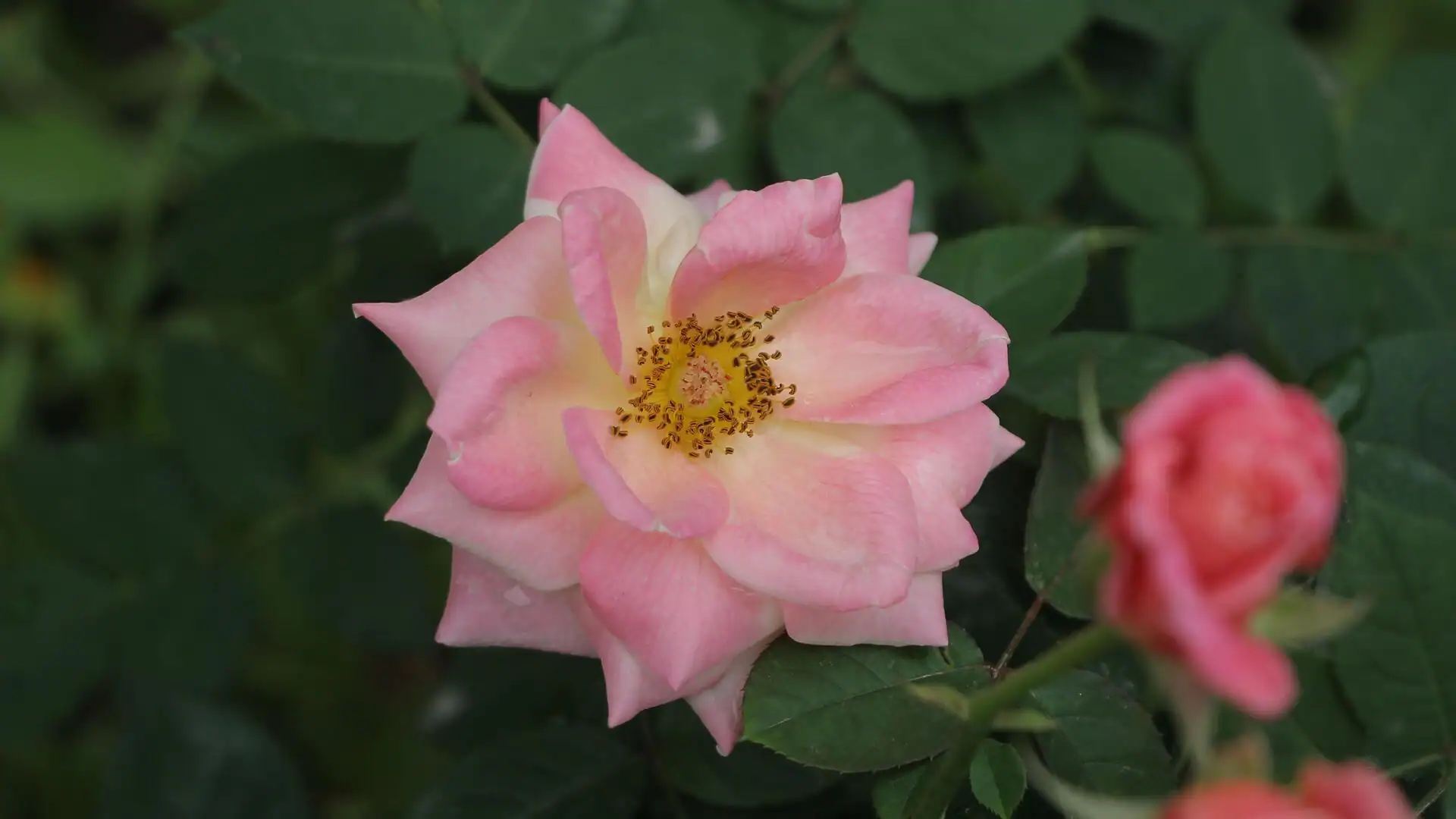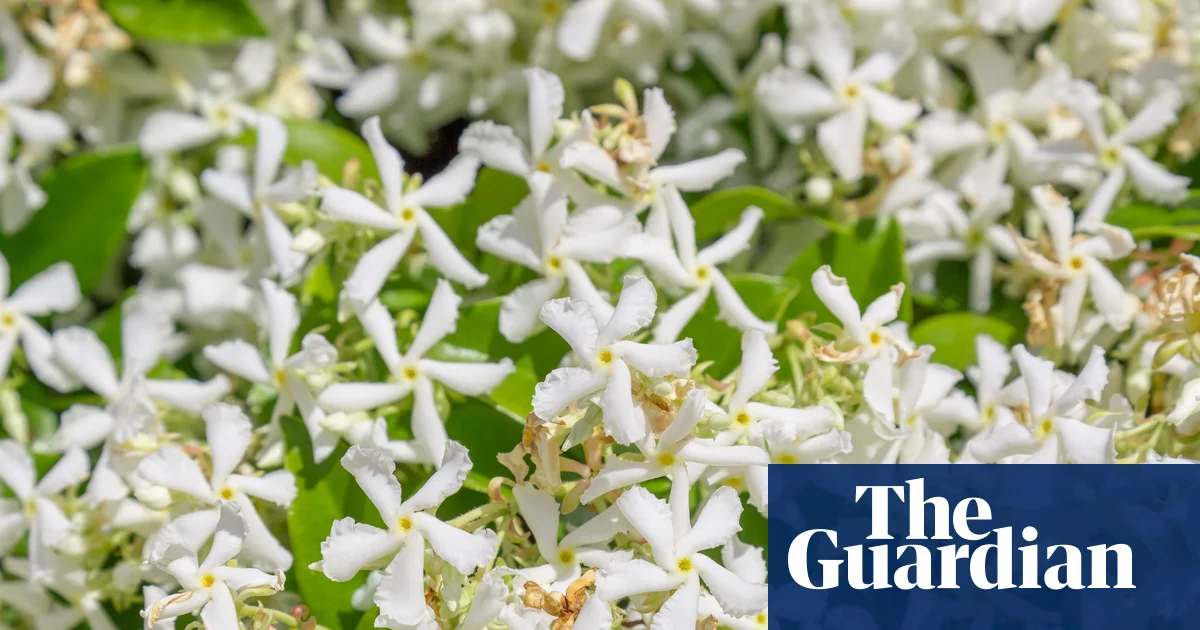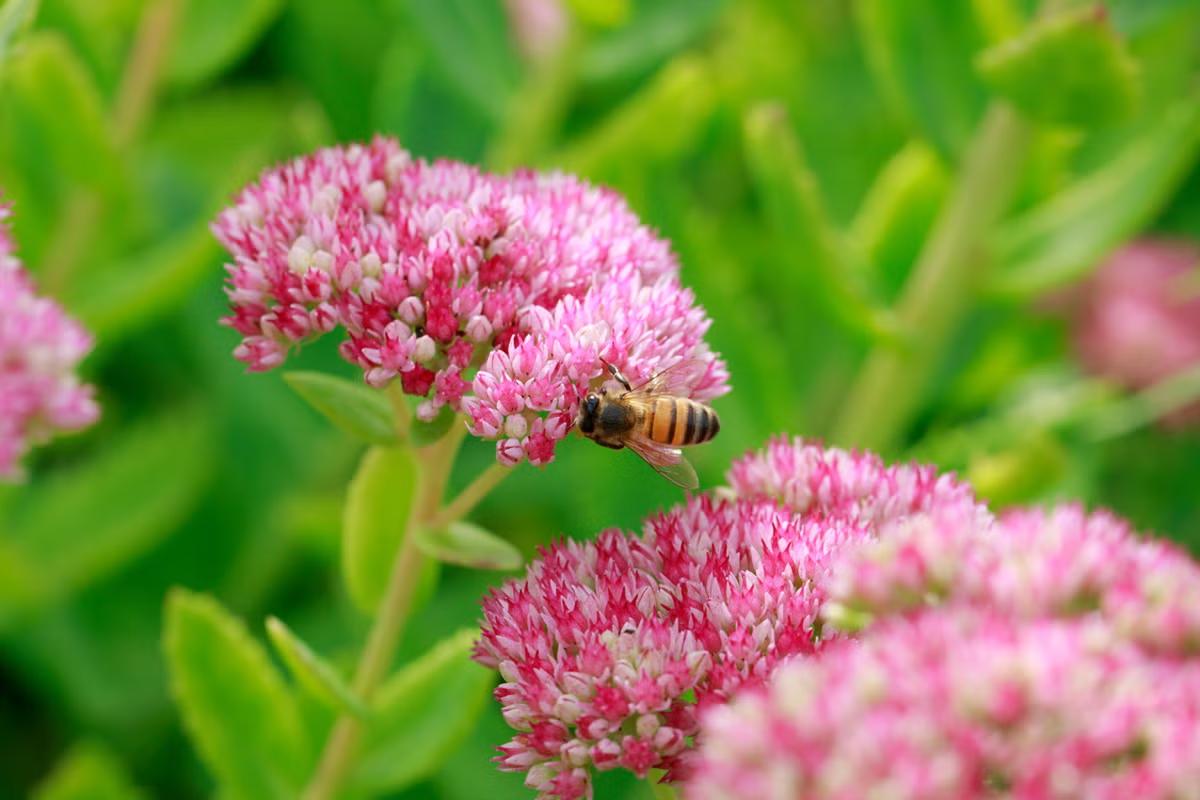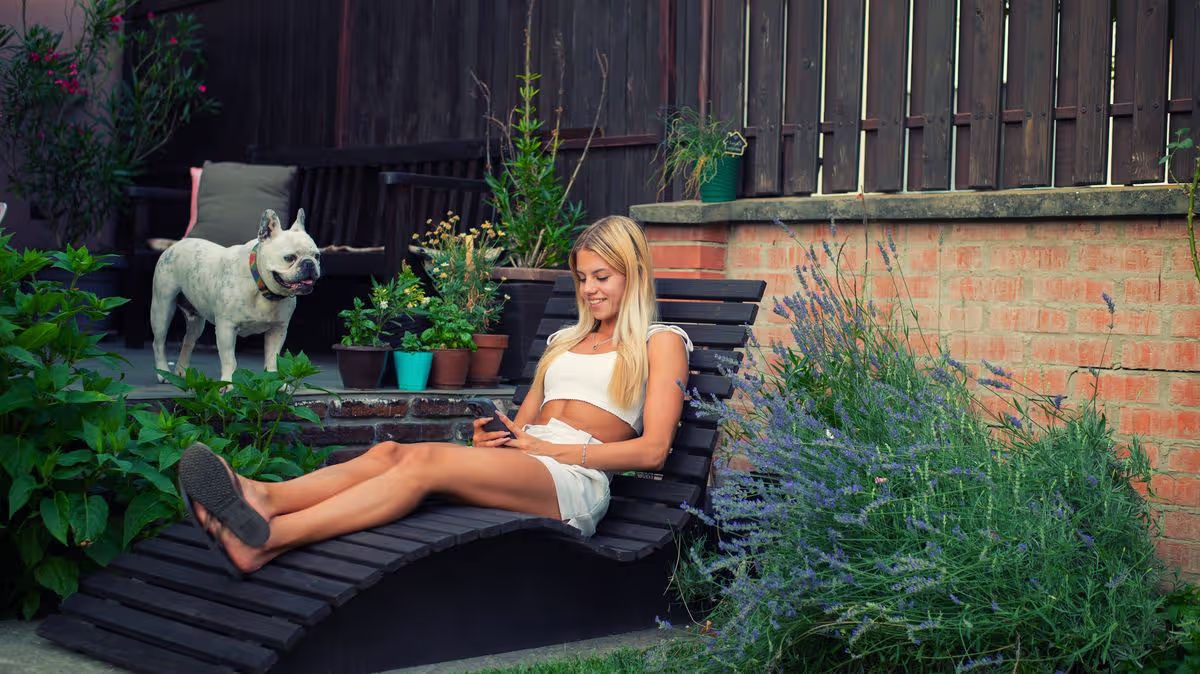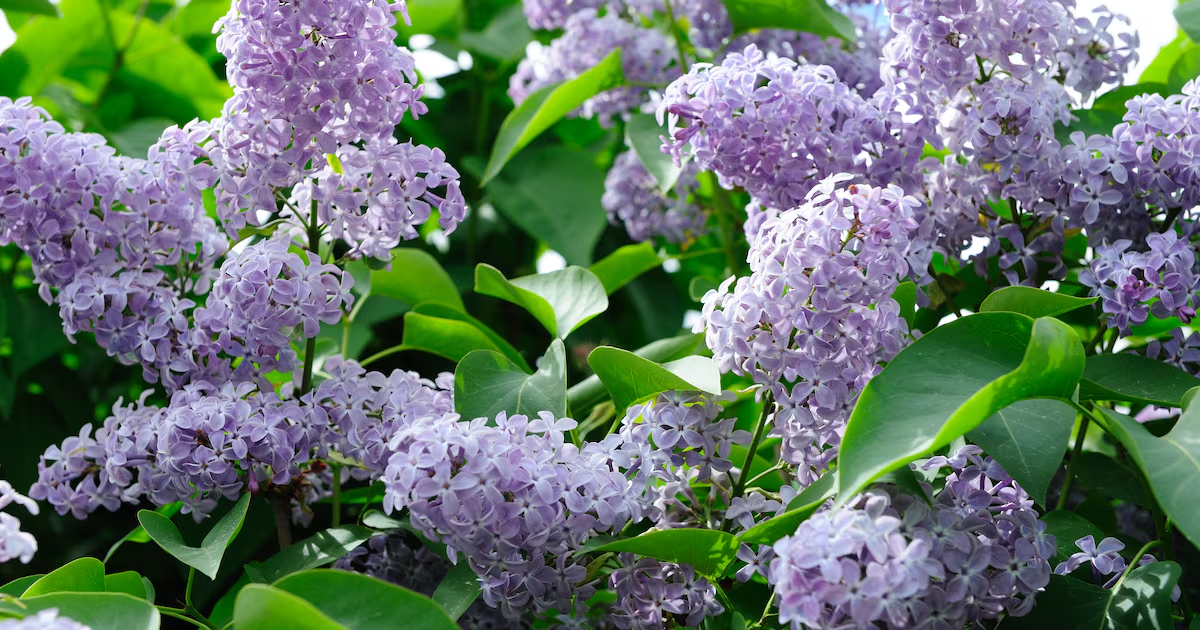
My mum is losing her eyesight due to glaucoma. What plants could she grow that would be suitable for a sensory garden? Maura K, DublinI’m so sorry to hear about your mother. As mentioned in a recent column, there are so many plants that appeal to our other senses, from those with intensely perfumed flowers or foliage to others that are lovely to touch, or to eat, or even to listen to.Some examples of those famed for their scented blooms include roses, lavender, jasmine, lilac, honeysuckle, sweet pea, lilies, catmint, shrubby honeysuckle, witch hazel, wintersweet, mahonia, daphne, and night-scented stock.Examples of those with perfumed or aromatic foliage include mint, rosemary, lavender, chives, sage, lemon verbena, lemon balm, cercidiphyllum, and santolina.Examples of plants with tactile appeal include many kinds of ornamental grasses such as Pennisetum villosum ‘Cream Falls’ and Stipa tenuissima, as well as those with papery seed-heads such as lunaria and love-in-a-mist, those with soft, felty leaves (stachys, common mullein) or large leaves (hosta, rodgersia, fatsia), and those with peeling bark, such as the very ornamental paperbark maple, Acer griseum.Easy-to-grow edibles include any of the culinary herbs as well as fruit varieties such as strawberries, raspberries, apples, gooseberries, blackcurrants and more unusual kinds such as the Chilean guava.[ Should I weed my garden in a heatwave?Opens in new window ]As for sound, perhaps one of the most underutilised qualities in many gardens, ornamental grasses are again among the very best choices. Bamboos (grow these in large tubs to be on the safe side to avoid them “running”) are also great. So are birch and poplar (the latter is suitable only for large gardens), two trees prized for the soothing, rustling sounds that their foliage makes in even the lightest breeze.
My mum is losing her eyesight. What plants are good for a sensory garden?
Plants with perfumed blossoms, aromatic foliage, tactile appeal, or which rustle in the breeze would be ideal candidates
290 words~1 min read