Support CleanTechnica's work through a Substack subscription, on Patreon, or on Stripe. Help us produce all of the high-quality, original content we publish week after week despite the challenges of content-scraping AI, antisocial media, inflation, and other hurdles.
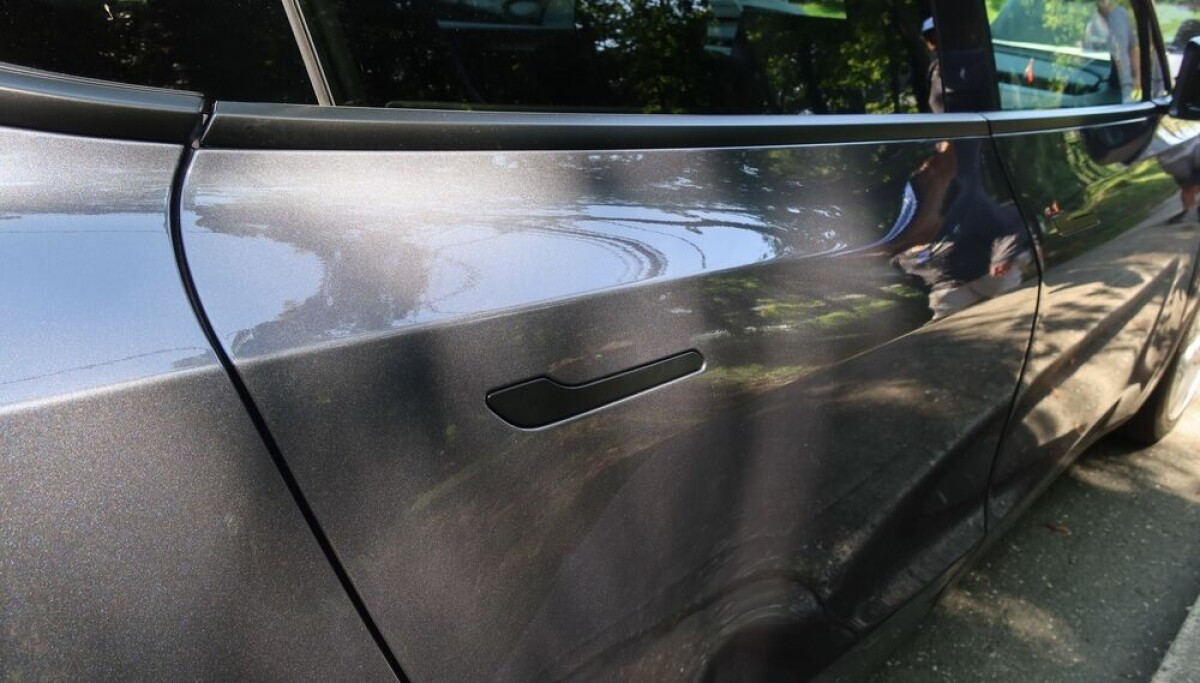
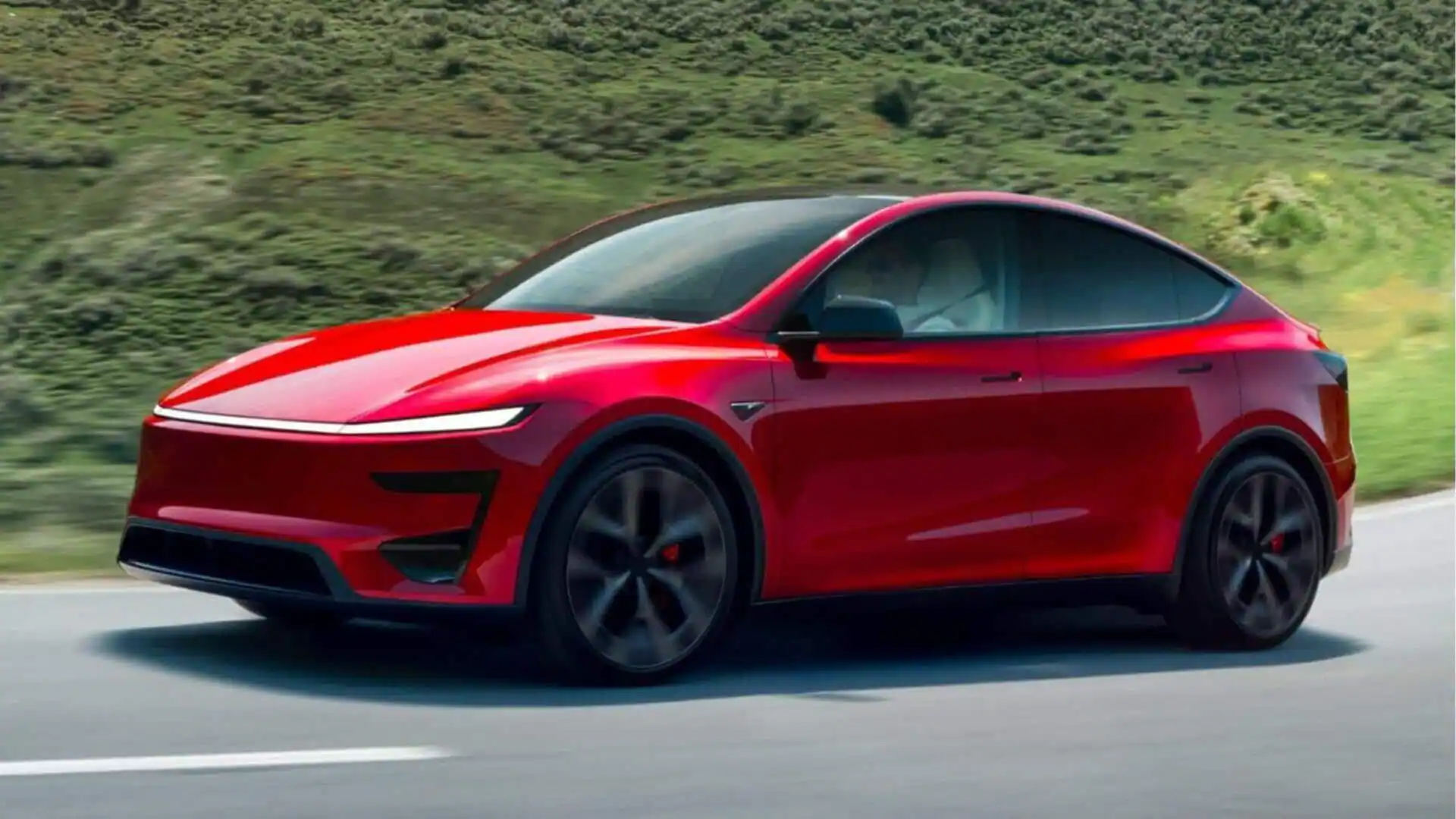
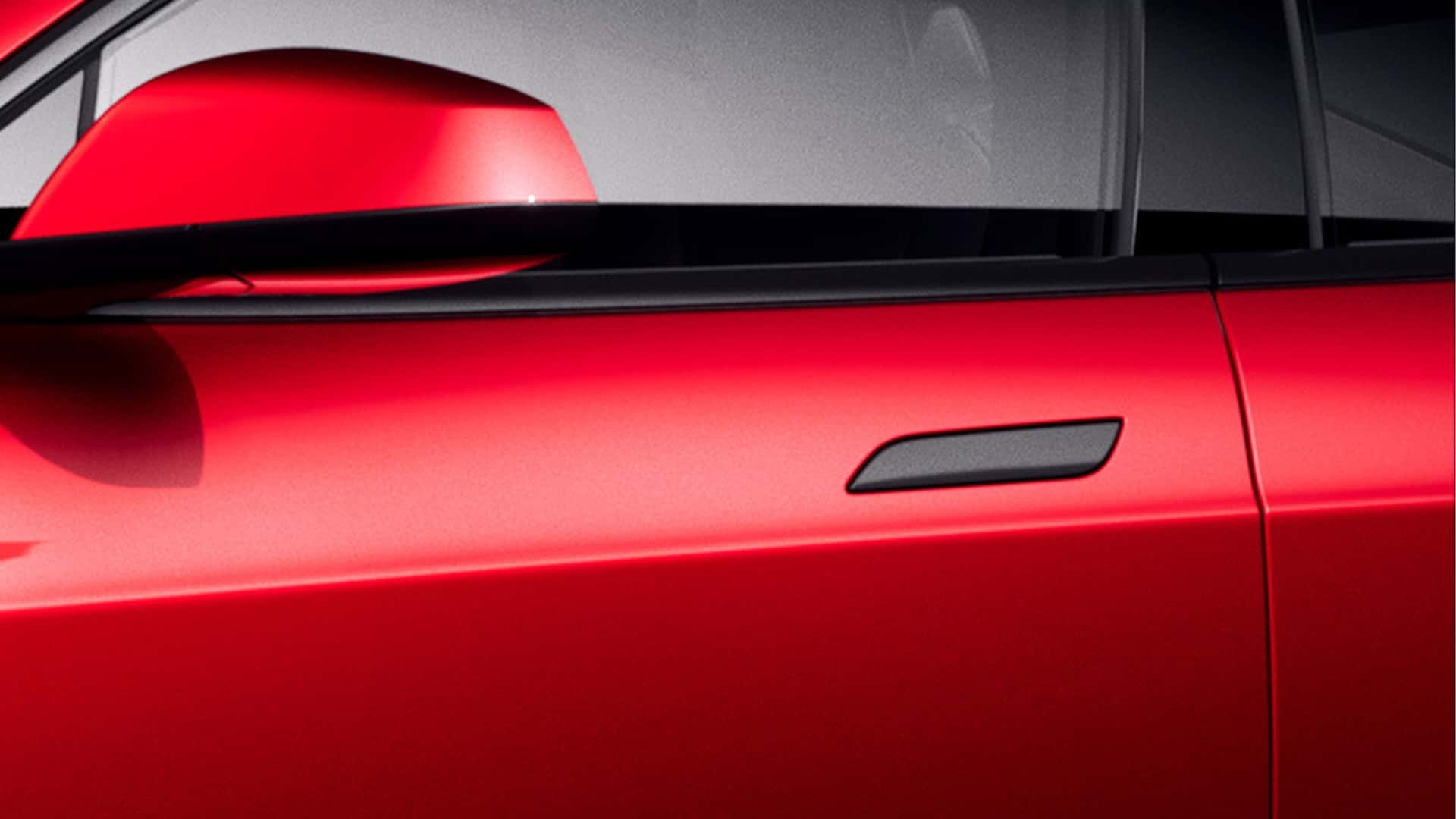
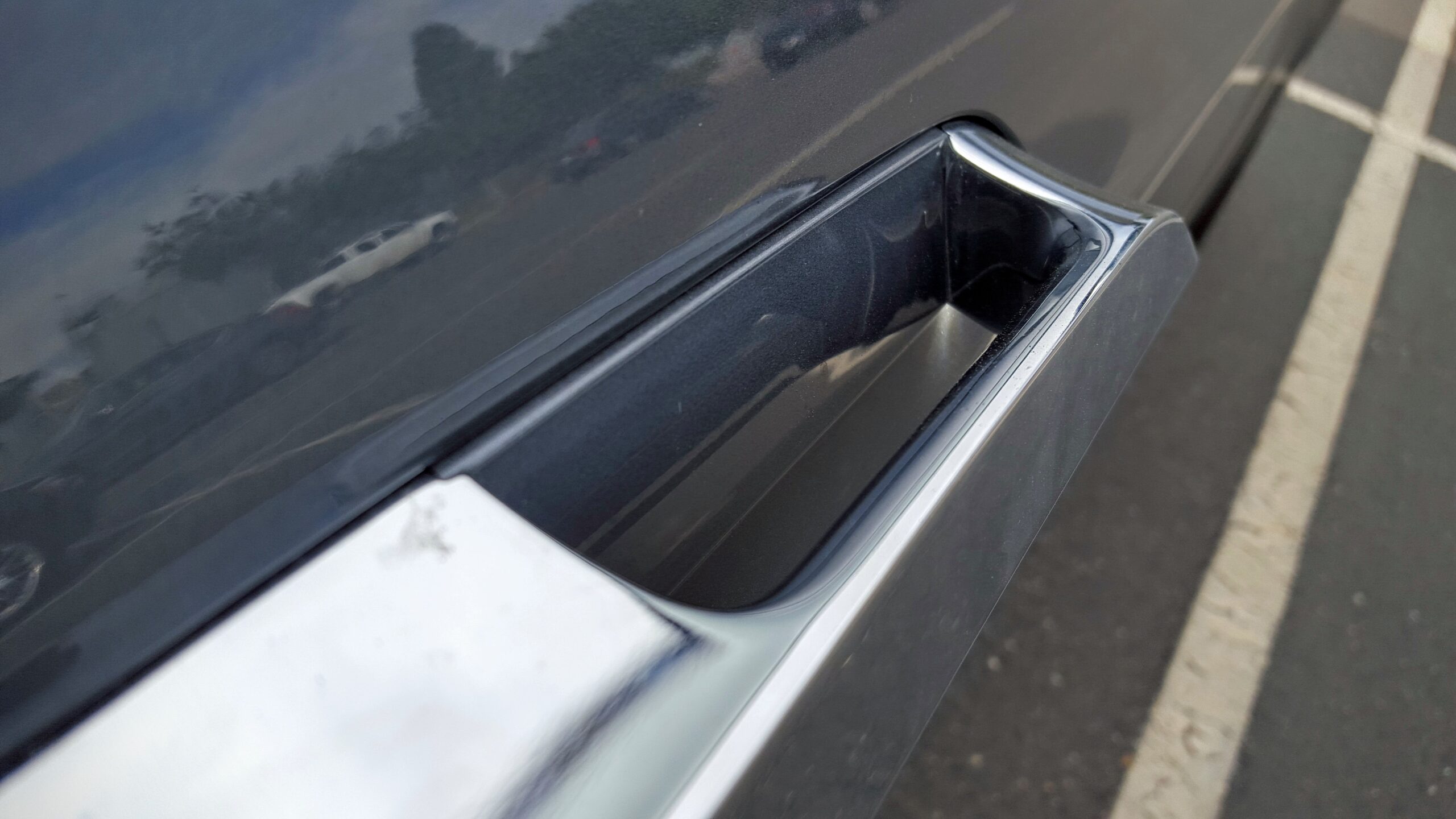
Tesla didn’t start the electric door handle craze. Hotrodders in the late 1940s and early 1950s substituted electric buttons for mechanical door handles in their effort to “de-chrome” their cars. But Tesla, under Elon Musk’s direction, took the idea and ran with it when it introduced the Model S. Subsequent models from Tesla also incorporated the electric door handle approach as well. Other manufacturers, both in Europe and China, also caught the electric door handle fever.
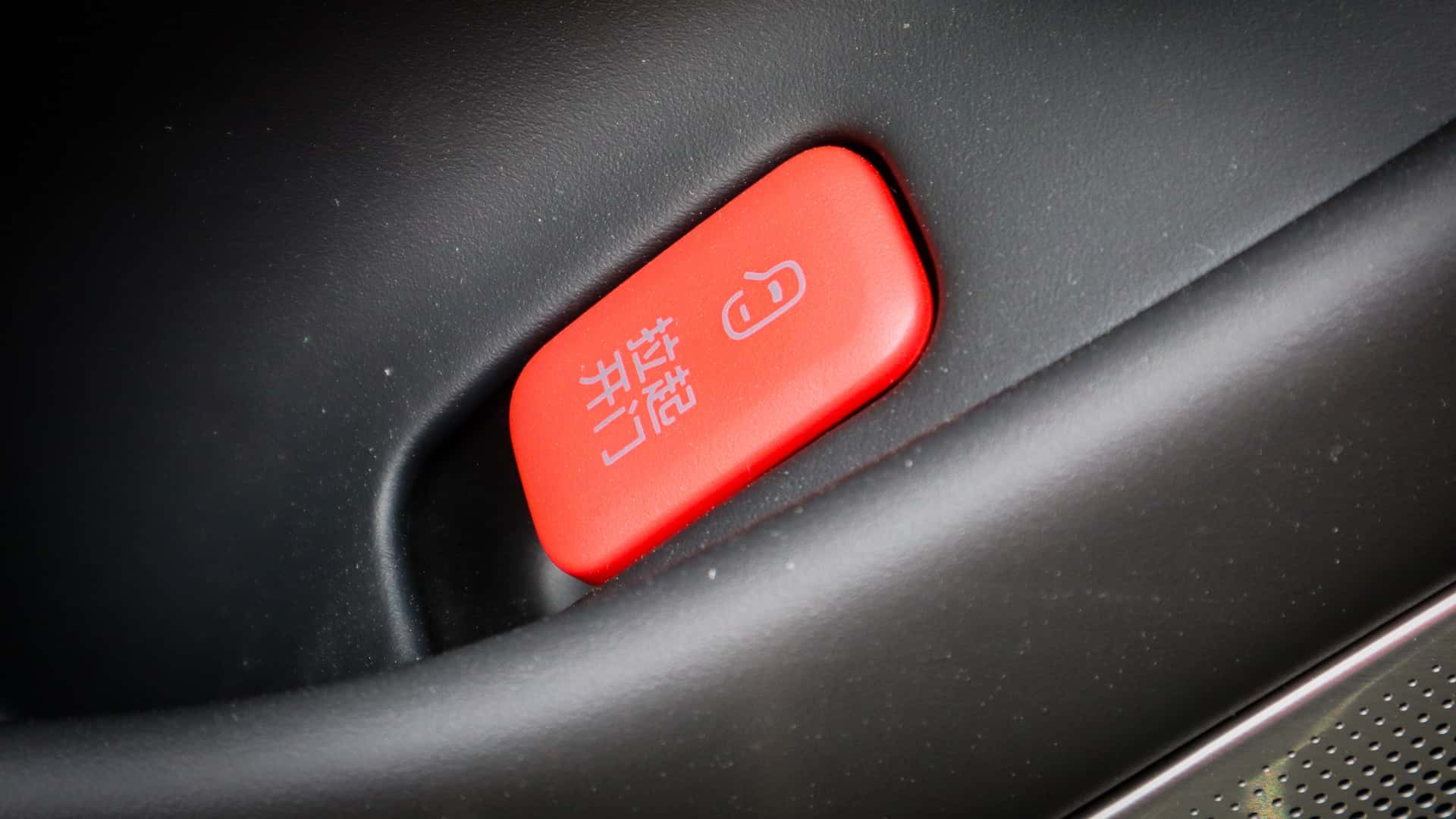
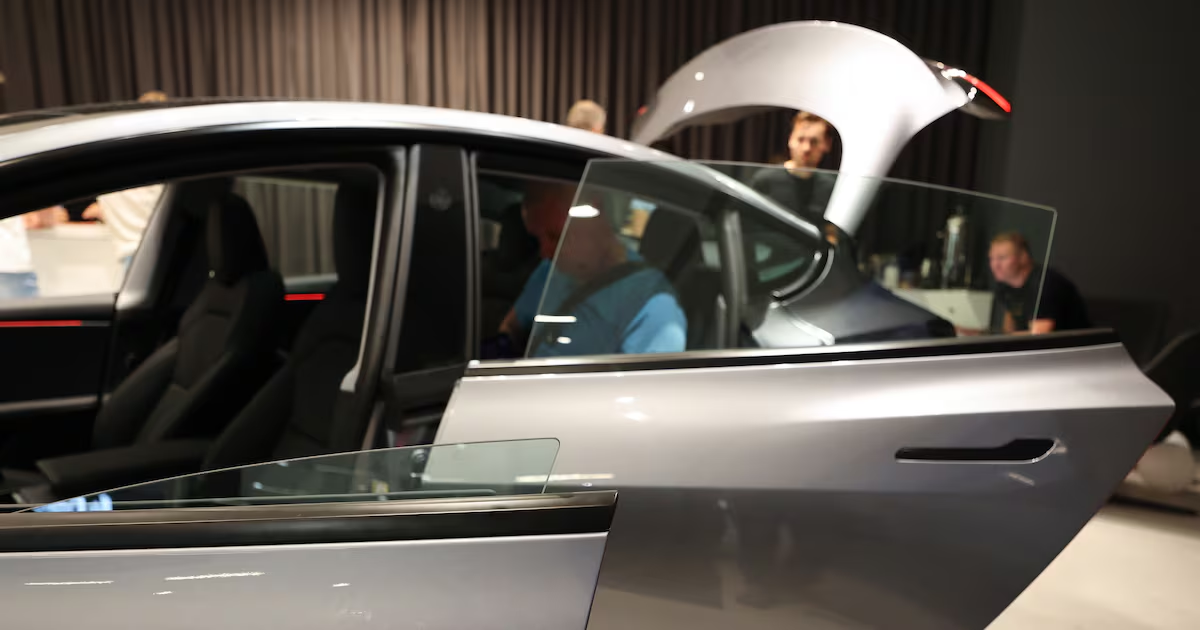
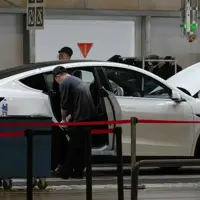
Those devices have an inherent safety flaw, unfortunately. They are powered by the 12 volt battery that all cars, even EVs, depend upon for things like interior lighting and initializing the starting procedure. If that battery fails or the connection to it is interrupted — which can happen in a collision — the passengers inside may not be able to exit the vehicle in an emergency. Teslas have an additional glitch. The window glass, when fully raised, intersects with the roof frame and gasketing in a way that can prevent the doors from opening unless the windows are lowered slightly. Once again, if the 12 volt system is not operational, the window mechanism will not function.