Starlink in Zimbabwe.
Support CleanTechnica's work through a Substack subscription, on Patreon, or on Stripe. Help us produce all of the high-quality, original content we publish week after week despite the challenges of content-scraping AI, antisocial media, inflation, and other hurdles.
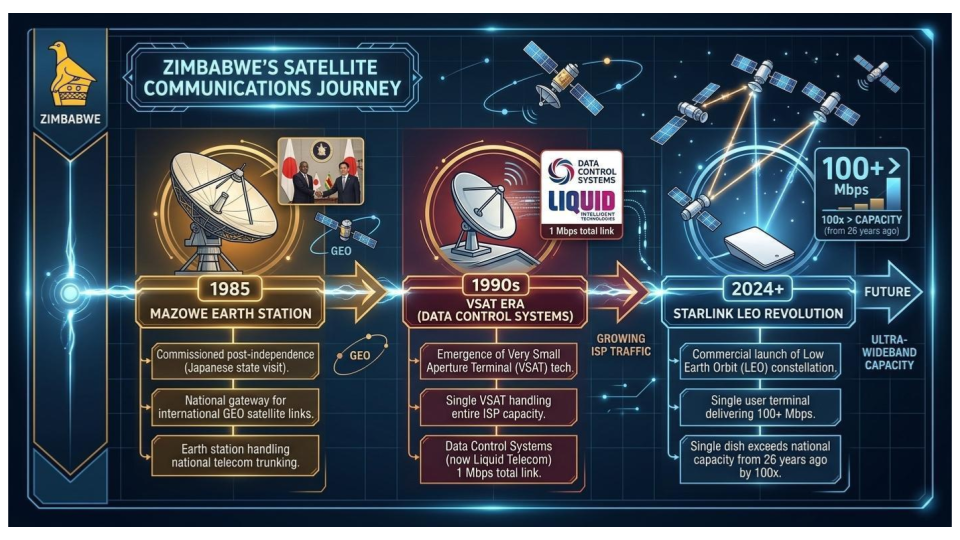
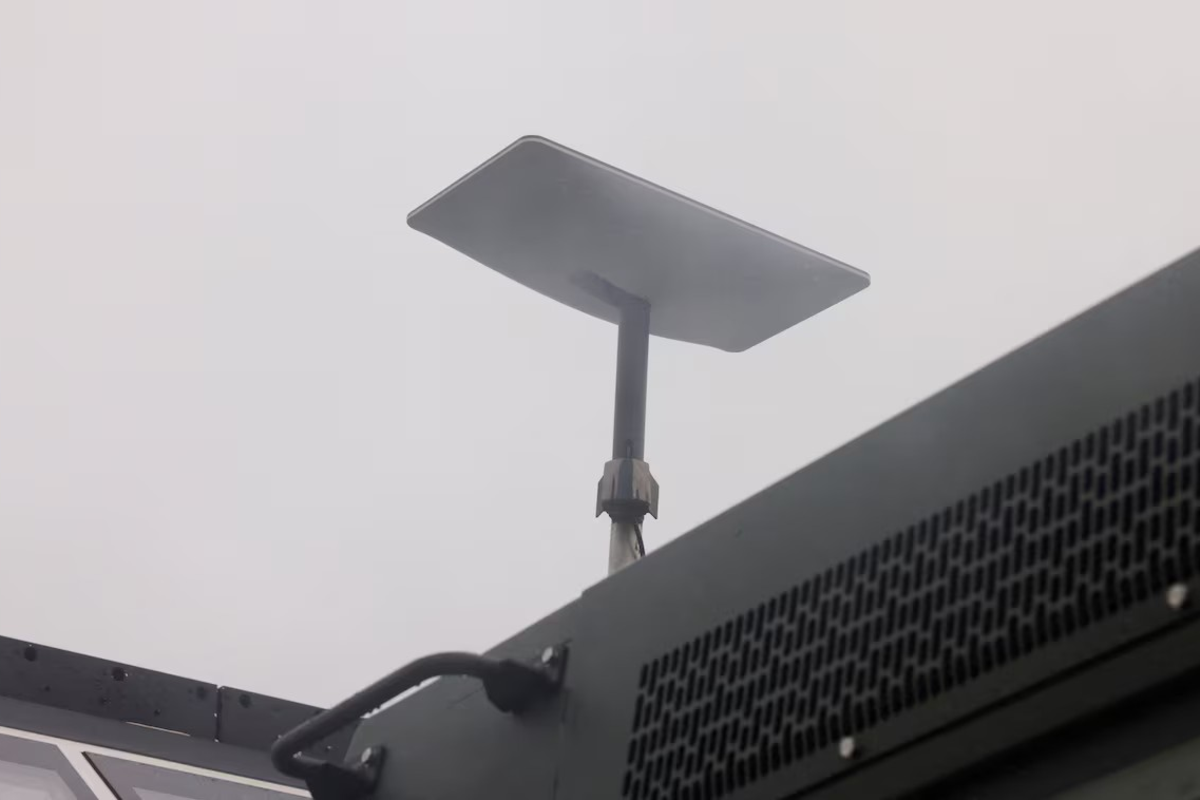
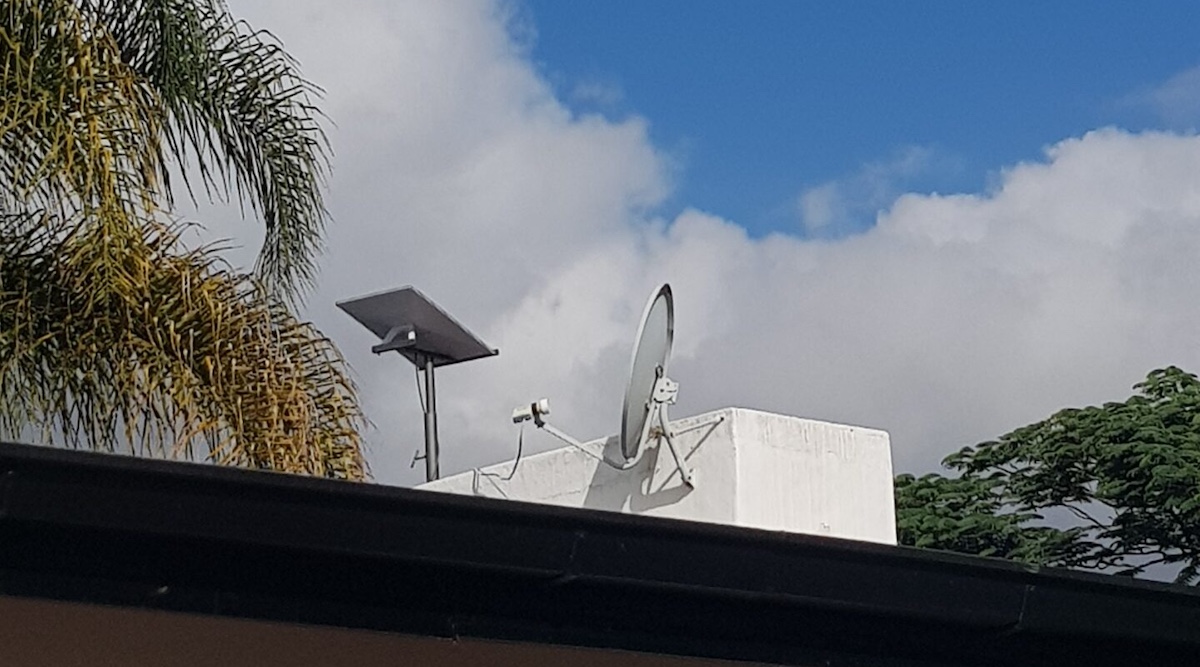
Quarterly reports from the Postal & Telecommunications Regulatory Authority of Zimbabwe (POTRAZ) always bring out some interesting insights. I am always on the lookout for these whenever they get published, especially these days since the launch of Starlink in Zimbabwe. Starlink launched in Zimbabwe in September 2024. The uptake was always going to be exponential, as there is a large underserved market for internet services in Zimbabwe. In most countries, fibre to home connections (along with ADSL connections historically) are the major conduits for fixed broadband internet connectivity. The situation was similar in Zimbabwe for a long time. However, the monthly subscriptions for fibre services were inhibitive for the majority of consumers looking to get access to reliable home and office internet.
For example, before the entry of Starlink, a decent family monthly subscription from local home fibre service providers was at least USD $150 per month! At times, these could even go as high as over $200 per month. At that time, the total number of active fibre subscriptions was just over 100,000 in a country with a population of over 17 million. That goes to show that there was room for growth and a massive underserved market for fibre subscriptions at the right price.