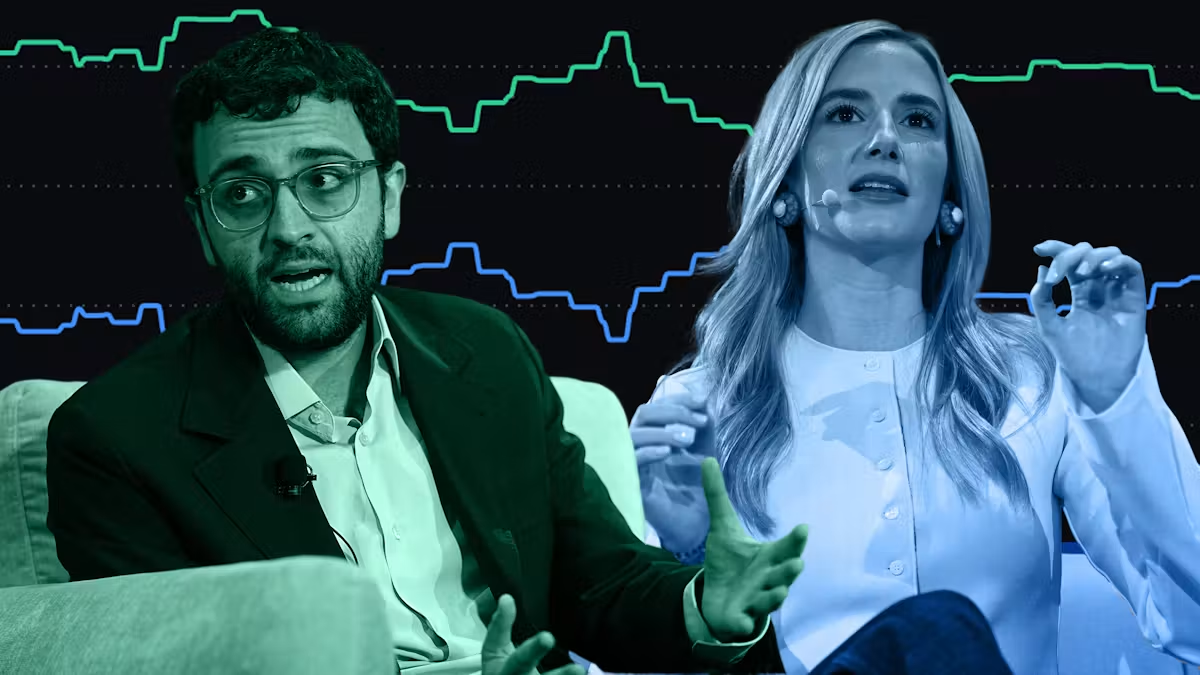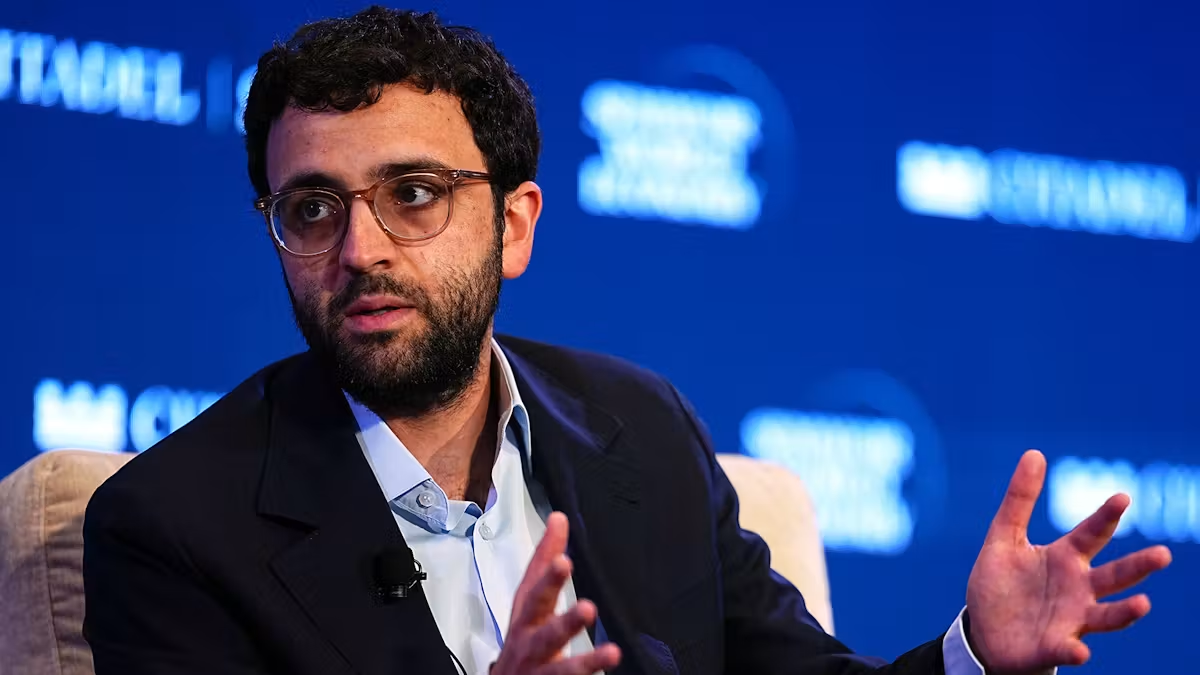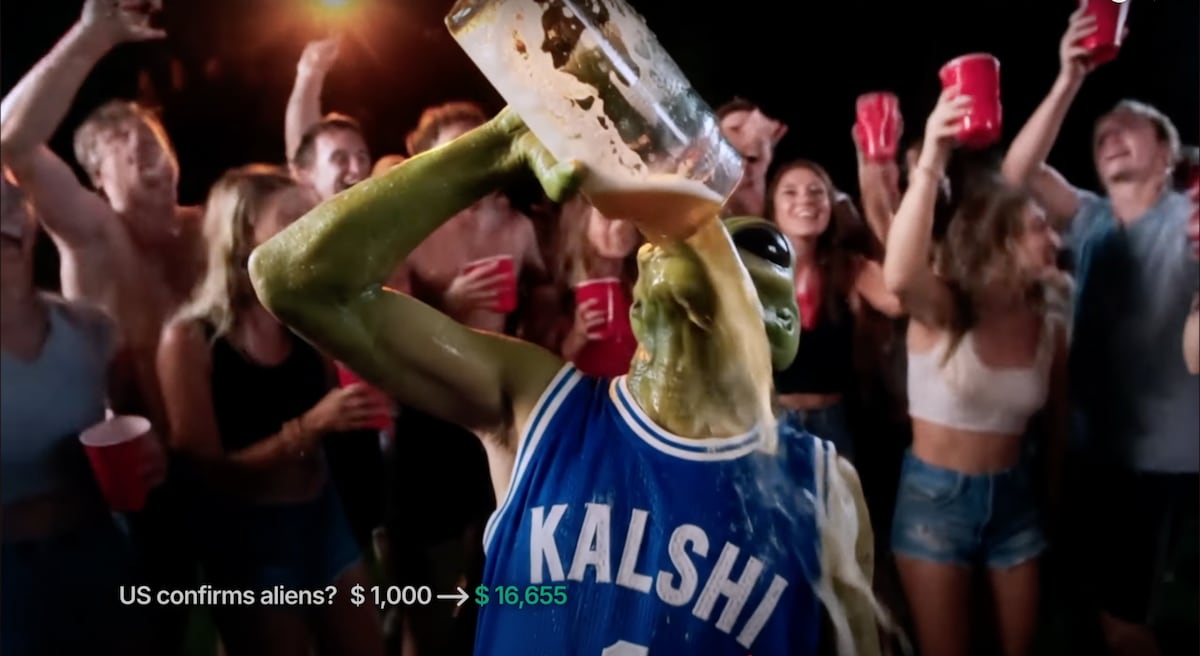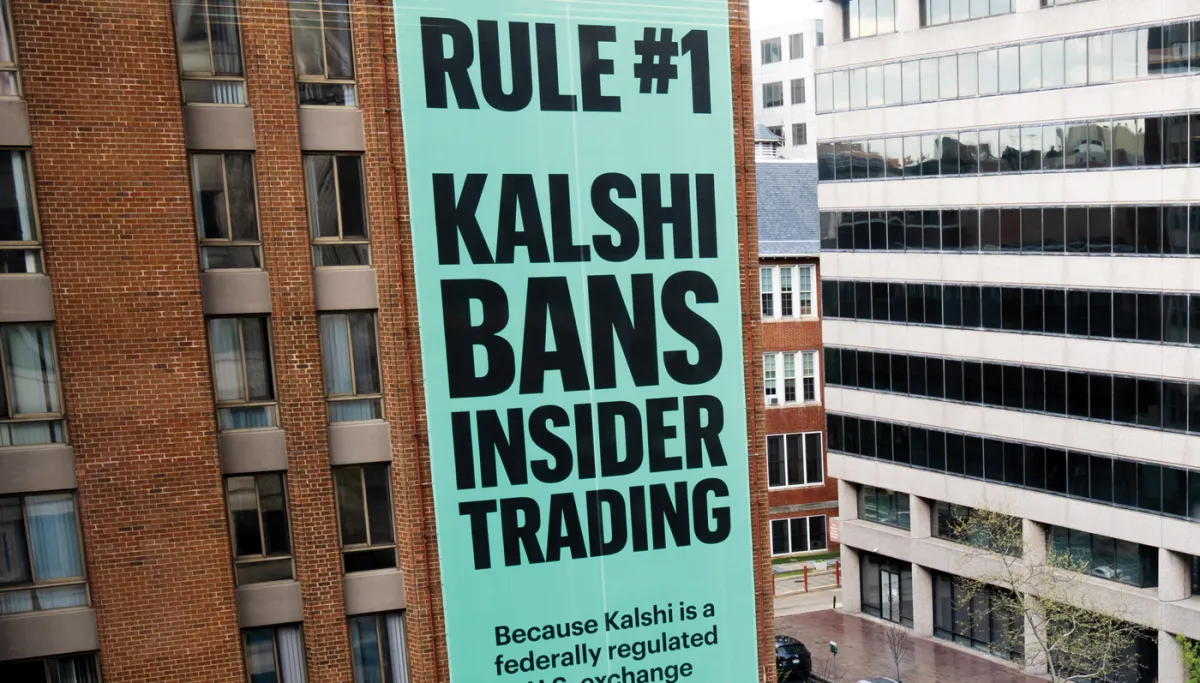
Prediction markets have come of age. Kalshi, the industry leader, is enjoying its biggest year ever. Monthly trading volumes surpassed $37 billion in July, boosted by the World Cup. The startup is raising new capital at a $40 billion valuation, about four times what it was worth just eight months ago, and the CEO speaks of an initial public offering as soon as 2027. With this impressive growth comes heightened risk. Looming questions concerning its regulatory status and market integrity threaten to upend Kalshi’s business model, while mounting state and federal lawsuits suggest an eventual date with the Supreme Court.Kalshi was founded in 2018 by Tarek Mansour and Luana Lopes Lara, who met at MIT and serve as CEO and chief operating officer, respectively. As undergraduates, the founders secured various Wall Street jobs and internships: Mansour worked as a derivatives analyst at Goldman Sachs, while Lopes Lara held roles at Bridgewater and Citadel. On Wall Street, the founders observed how institutional investors sought to trade such uncertain binary outcomes as Brexit and the 2016 presidential election through proxies such as swaps, options, and other risk curves. In their telling, Kalshi was established to resolve a simple question: Why not just trade on the binary outcome itself?Kalshi’s business model depends on volume and trading fees. “Kalshi doesn’t care who wins or loses,” a company spokesperson told me. “Every trade matches a buyer and a seller, same as matching a buy and sell order on a stock exchange.” The events contracts are structured around binary yes-or-no outcomes such as “Will the Republicans win or hold the Senate in 2026?” or “Snow in New York City from Jan 24–26?” and are priced between $0 and $1, reflecting the likelihood of the underlying event. A contract with a 23% probability will thus sell for $0.23, and pay out either $1 or $0 depending on the outcome.
Prediction markets experience explosive growth, but also new legal challenges
Kalshi’s business model depends on volume and trading fees.
2,439 words~11 min read