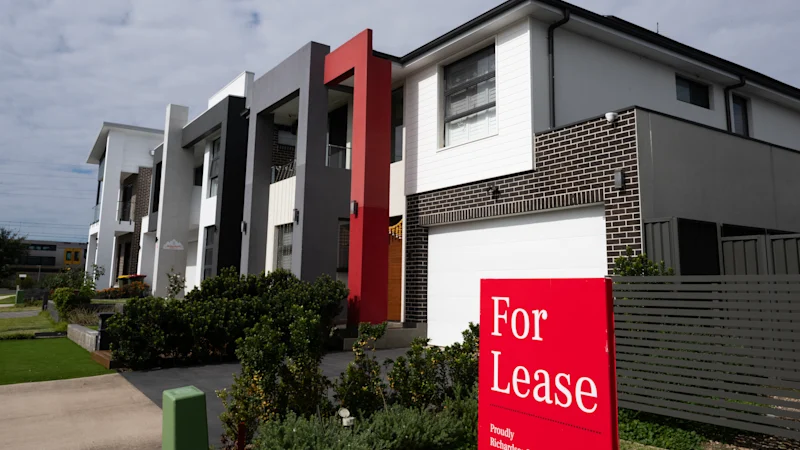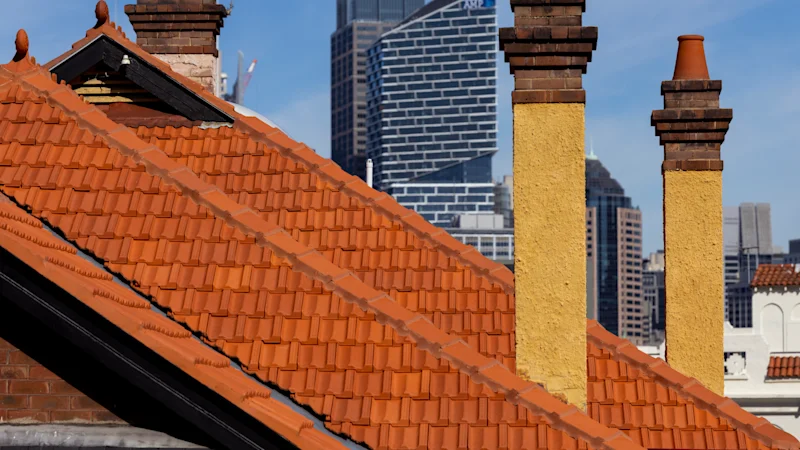
EditorialAugust 23, 2026 — 6:00amThe interests of renters are often treated as a footnote in Sydney’s never-ending conversation about property prices.But even with the recent dip in house prices, buying a property remains out of reach for many – especially buying a home that is within reasonable reach of the workplace.Rents are high in central Sydney.Dominic LorrimerNew data revealed in The Sun-Herald today shows there has been little respite from rental rises across Sydney, with the price of owning your own home keeping large numbers of people in the rental market, especially in the inner cities where they compete with international students to lease apartments.Senior economics correspondent Shane Wright reports that in some parts of the country, rents have risen by 80 per cent since the COVID-era rent freeze.In Zetland, Chippendale and Haymarket in inner Sydney, rents have jumped by between $367 and $452 a week, Wright reports.The picture is mixed, though, with some Sydney suburbs – such as Hunters Hill, Avalon Beach and Hornsby Heights – recording rental price growth slower than the city’s 23.6 per cent inflation rate since mid-2021.The NSW South Coast has bucked the national trend, with landlords in some towns asking less on average than they were in 2021.These falls are attributed to less demand since the COVID-era surge of people seeking to leave Sydney and Canberra.Effects of the current house price slump on the rental market are unclear, but in theory the slump may enable more renters to become home owners, which in turn would ease price pressure in the broader rental market.There are many other factors at play, though, including federal changes to negative gearing that some fear will force landlords to lift rents to compensate for their lost tax breaks.The national data that Wright reports on today suggests local factors – including proximity to major employment and education zones, transport and the regional cost of living – heavily influence how much landlords can charge.The most obvious remedy is to increase housing supply in areas where people want to live.In Sydney, the Minns government has taken steps in the right direction with its overhaul of the planning system and focus on transport-oriented development.Higher densities are a central mechanism for solving the housing crisis for renters and home owners alike.It is true that existing high-density areas of Sydney have been home to some of the nation’s biggest rent rises since COVID.But as more high-rise development takes place in well-located areas of the city, tenants will have more options and landlords can be expected to curb rent rises to attract them.Landlords need a fair return on their investment. But affordable housing lifts overall living standards and can benefit the wider economy, as people are able to spend more of their money on things other than housing.Young people especially can be caught in the trap of paying high rents and being unable to save a deposit to get their feet on the first rungs of the property ladder.Everyone deserves a place to call home, and the end goal for policymakers must balance the needs of investors with equitable outcomes for ordinary residents of NSW.Get a weekly wrap of views that will challenge, champion and inform your own. Sign up for our Opinion newsletter.From our partners
High rents a roadblock to productivity
New data shows that while rents are high in the inner cities, the picture is mixed around the country.
539 words~2 min read