Serving tech enthusiasts for over 25 years.
TechSpot means tech analysis and advice you can trust.
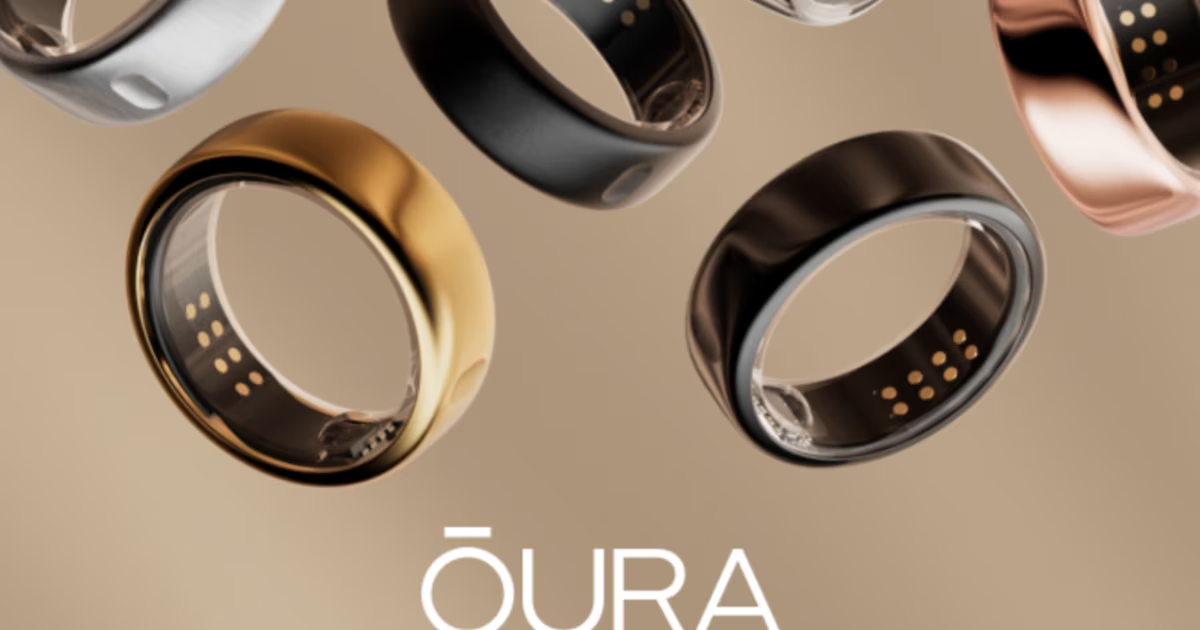
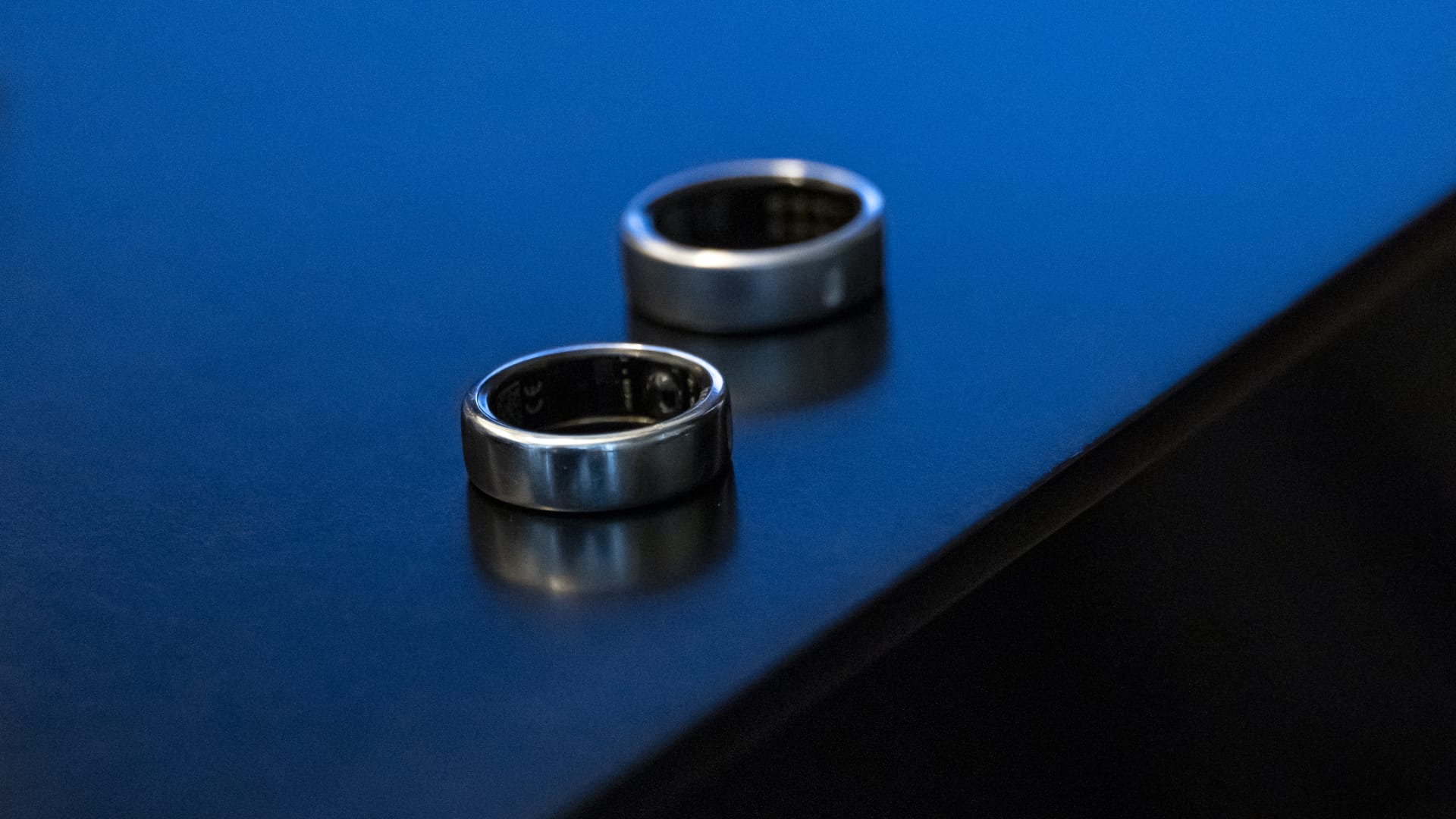
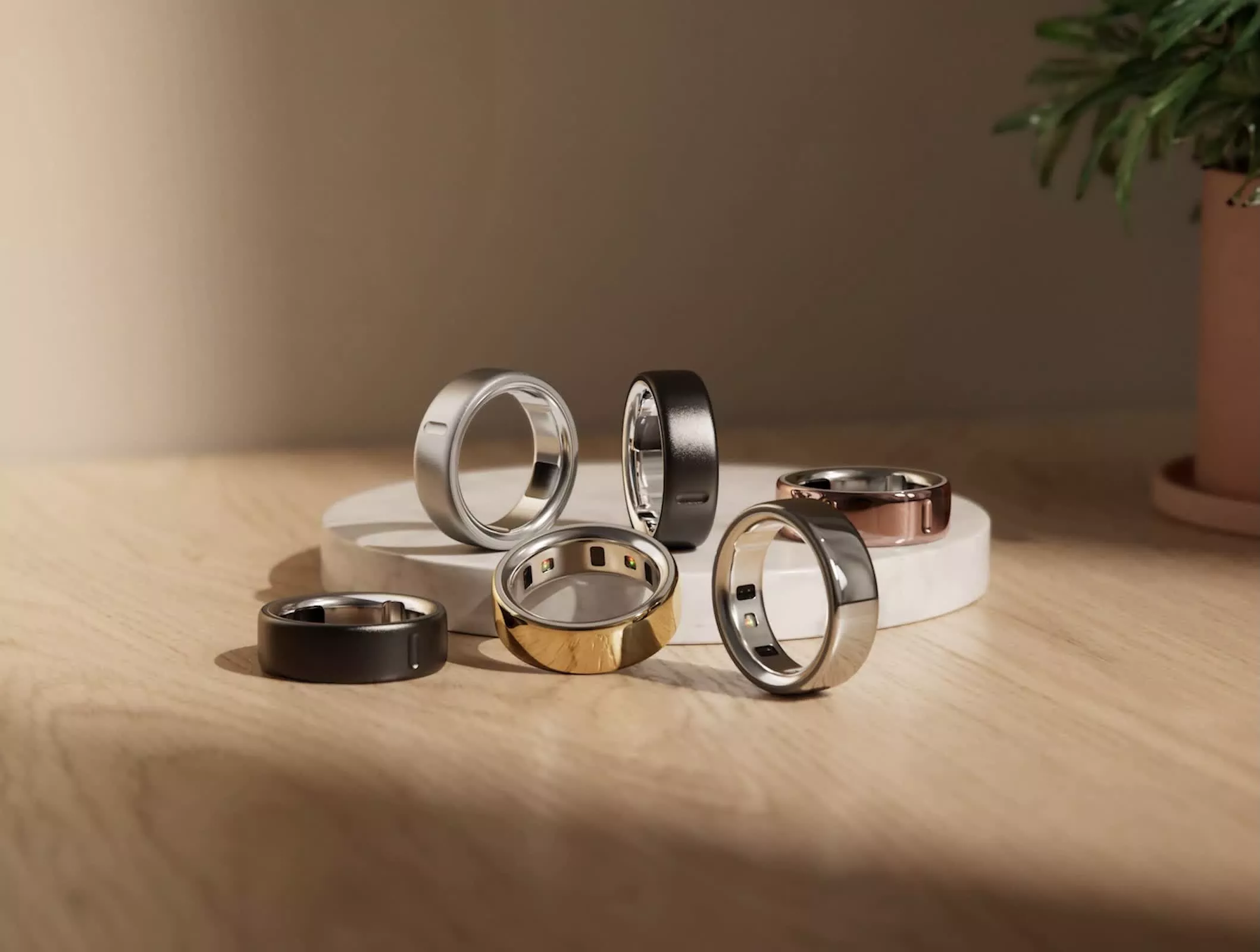
Crystal ball: Oura is facing a proposed class action lawsuit over the accuracy of its sleep-tracking claims. Filed this week in San Francisco by Clarkson Law Firm, the complaint argues that Oura's smart rings can't directly detect the physiological signals needed to assess sleep quality or identify sleep stages, and instead lean on AI-generated estimates the suit says amount to "a coin flip's chance of being correct."
The lawsuit takes aim at a core feature of the product: its ability to turn data collected from a wearer's finger into scores for sleep, readiness, and activity. Oura rings track measures like heart activity and skin temperature, then run that data through software to generate sleep reports.
But the complaint argues this approach can't deliver the same information as a clinical sleep study. Sleep stages, it says, are determined through brain and eye measurements that require electrodes on the scalp and sensors near the eyes.