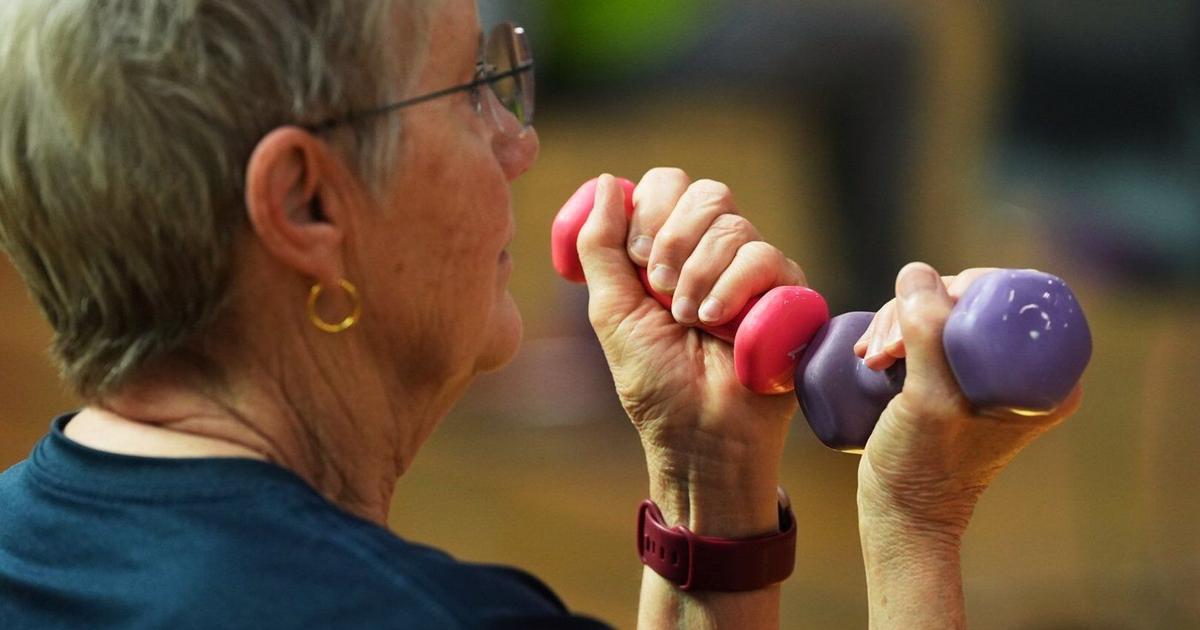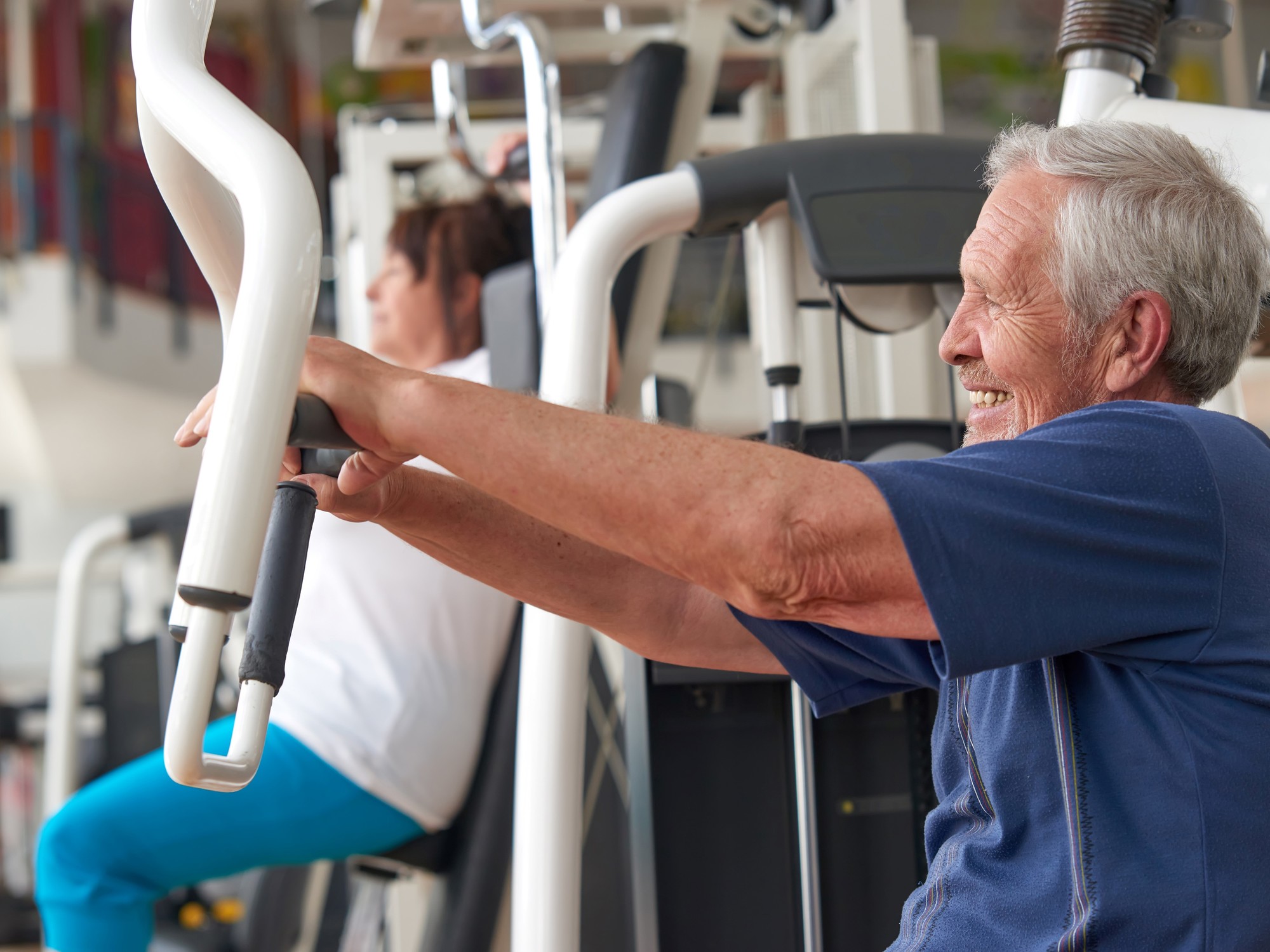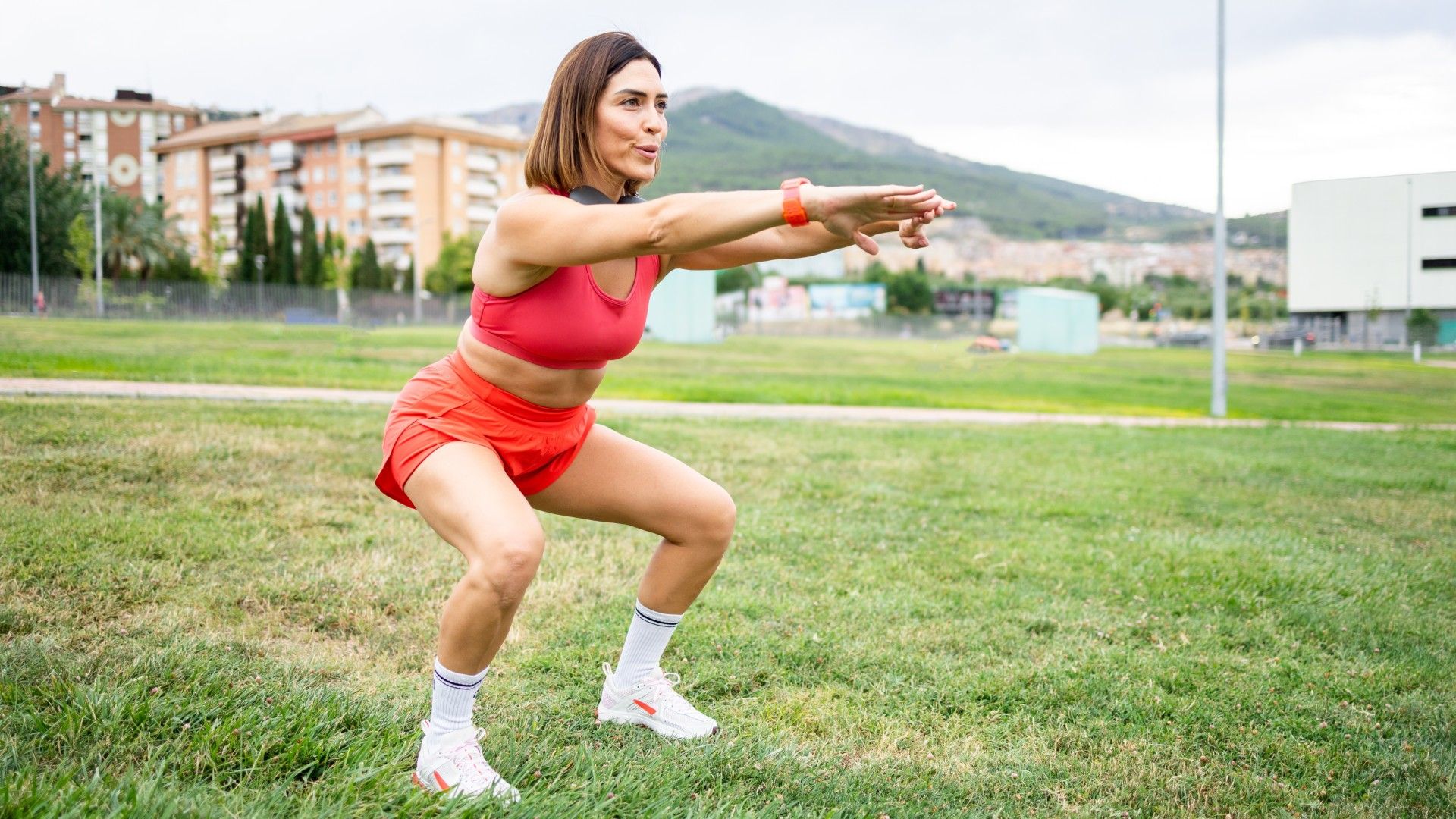
Assessing hand grip strength, testing balance, or rising from the floor to a standing position are often highlighted as indicators of healthy aging and potential longevity.These physical assessments offer useful insights into an individual's endurance and strength. They help gauge the likelihood of falls—a major contributor to mortality among older adults—and assist clinicians caring for aging individuals or patients recovering from injury.However, these physical challenges cannot predict the future."A poor or declining result is a reason for a health professional to investigate why function is changing, rather than gauging how long someone will live," said Auriel Willette, an expert on brain aging at Rutgers University.Understanding how mobility assessments function can help individuals properly interpret their physical results.Variations of the "sit-to-stand" assessment have gained significant attention. The U.S. Centers for Disease Control and Prevention uses a 30-second chair-stand test tailored for patients over 60, measuring how many times a person can stand up from a seated position within half a minute.A separate routine trending on social media asks individuals to transition from standing down to sitting cross-legged on the floor, and then back up to a standing position. Lowering oneself to the ground earns 5 points, as does standing back up, creating a maximum score of 10. Participants lose a full point for using support—such as a hand or knee—and half a point for losing balance. Anyone unable to sit or stand without external help receives a score of zero.Physicians note that this specific floor test is rarely employed for older adults in the U.S. However, studies published by researchers in Brazil in 2020 and 2025 indicated that middle-aged individuals achieving higher scores had lower mortality rates over roughly a decade.In American clinical settings, physicians frequently rely on the "Timed Up and Go" (TUG) evaluation. The test measures how quickly a patient can rise from a chair, walk 10 feet (3 meters), turn around, and return to sit down. This simple assessment allows clinicians to observe lower body strength, balance, and general mobility simultaneously.Dr. George Hennawi, an eldercare specialist at MedStar Health in Baltimore, explained that mobility assessments are meant to identify specific physical limitations and isolate their root causes, such as knee pain, diminished reflexes, poor balance, or shortness of breath and dizziness stemming from cardiovascular issues."The key to react to it is to understand where did we not do well," he said.Doctors view viral sit-to-stand movements as screening tools rather than comprehensive medical diagnostics. While effective at highlighting potential issues, they lack the detail required to reach a complete diagnosis.A range of other tests measure what experts call "physiological age," examining how the body ages over time. These include evaluations of grip strength, walking pace, balance, and gait stability. Such checks assess the force of a hand squeeze, whether an individual sways or favors one side while walking, how long one can balance on a single leg, and how far a person can reach forward without losing stability.These challenges also help clinicians identify a patient's risk of "frailty," a state in which the body becomes less resilient to physical strain caused by illness or injury.(Getty Images)Physicians frequently conduct the Short Physical Performance Battery, a 10-minute assessment created by the National Institute on Aging. Incorporating tests of gait, balance, and strength, large clinical trials have confirmed that this battery successfully predicts mortality risks and physical disability.Dr. David Lee, from the Multidisciplinary Falls Clinic at the University of California, Los Angeles, emphasized the importance of evaluating multiple metrics together. While hand grip strength correlates with broader health outcomes, it can also be distorted by arthritis, stroke history, or a simple lack of targeted muscle use."It’s one measure of many," Lee said.Physical strength and movement represent only one aspect of healthy aging. Cognitive function, memory, vision, and hearing tests are equally essential to forming a complete picture of an individual's health trajectory.Health experts advise against training specifically to pass mobility tests. Instead, individuals should maintain a comprehensive wellness routine by engaging in full-body exercise, consuming nutritious food, managing stress, prioritizing consistent sleep, and maintaining cardiovascular health.Understanding the demographic context of research is also crucial. Performance criteria established for one age group may not accurately translate to another.Those who perform poorly on mobility tests or have concerns about fall risks are advised to consult a healthcare provider. The test results serve as an initial step toward deciding whether physical therapy, medication adjustments, or assistive devices are warranted, according to Emily Nabors, a fall prevention expert at The National Council on Aging.Nabors noted estimates showing that while over a quarter of older adults experience a fall each year, a majority do not report the incident to their physicians."If you've fallen, you might feel fine," she said, "but you might not be fine at all."
What your grip strength and balance really say about healthy aging
Understanding how mobility assessments function can help individuals properly interpret their physical results
790 words~4 min read